In brief
The BBC reported how the Taliban’s grip over Afghanistan is expressed in daily life: from banning women’s education to a new smartphone policy for officials. In one rare interview, Governor Abdullah Sarhadi threatened a woman who wanted a divorce with poverty and humiliation, revealing the regime’s harsh stance on women’s rights. The governor also admitted that old smartphone phones and documents now slow decision‑making, a sign of bureaucratic inefficiency amid strict controls. While the Taliban claim progress in women’s employment and study, their policies still leave most women barred from public life, underscoring a stark gap between rhetoric and reality.
A BBC investigation in northern Afghanistan exposed how the Taliban govern by tightening control over women, cutting phone use, and enforcing traditional roles.
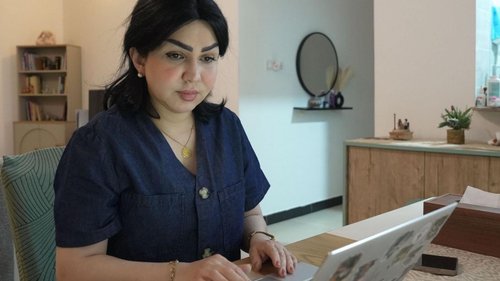
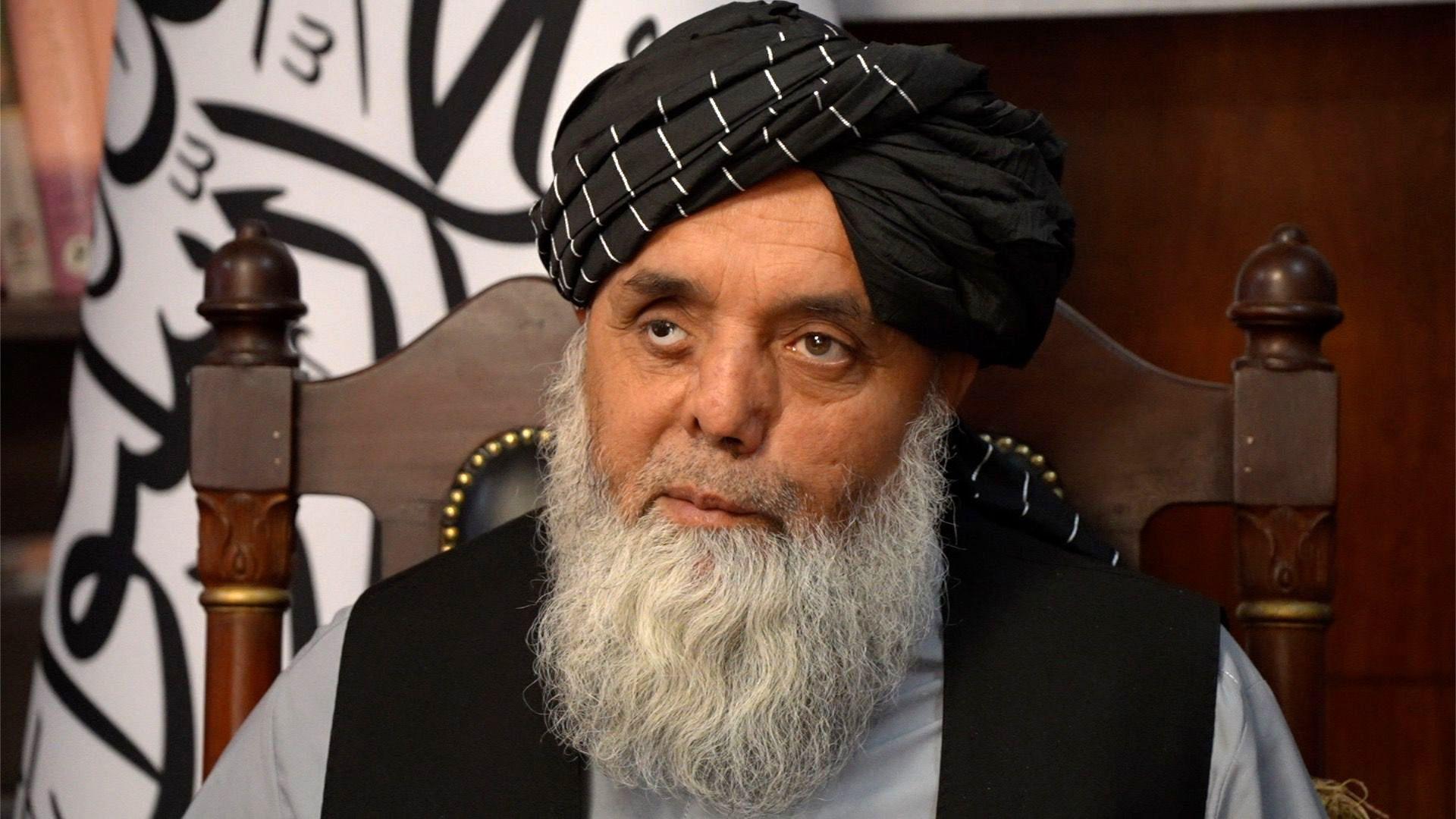
In Sheberghan, Governor Abdullah Sarhadi held a meeting with a 18‑year‑old woman, Tuba, who demanded a divorce after repeated abuse. He stormed out, calling her “mindless” and “deficient in intellect”, and threatened that if she was beaten again she would be jailed. His office was also described as a blend of old military command and a stalled mobile‑phone policy, where “the ban on smartphones for officials slows everything”.
While Tuba pleaded that her honour and dignity were ruined and she wanted the “diary of a life” to be ended, the governor warned that a divorce would cost her four times the dowry she had received. The case underlines how Afghan law, open to the Taliban’s strict Sharia interpretation, still makes it hard for women to obtain divorce without the husband’s agreement.
In another setting, former Taliban operative Habibullah Badr discussed his past suicide attack coordination but avoided details, hinting that the violence of the past still haunts the present. He stressed that the Taliban had no conflict with foreign convoys and that civilians should stay away from foreign bases.
Taliban spokesperson Zabihullah Mujahid, under the alias Tahir Shah Seddiqi, explained the regime’s stance on women's rights as a “Sharia‑based idea” that restricts women from work but views it as “necessary”. His statements contrast sharply with reports of women being banned from secondary education, unable to travel alone, and facing imprisonment for protest or speaking out.
Overall, the BBC’s series uncovers a Taliban government that maintains traditional control while claiming liberal reforms, and the stark discrepancies that still paint daily life for Afghan women and ordinary citizens.