Afghan Women Under the Taliban: From Dreams to Survival
Five years after the Taliban seized power in 2021, women across Afghanistan testify that their lives have become unrecognisable. The hard‑line Islamist regime has systematically eroded the rights of 22 million women, disrupting education, employment, and basic civil freedoms.
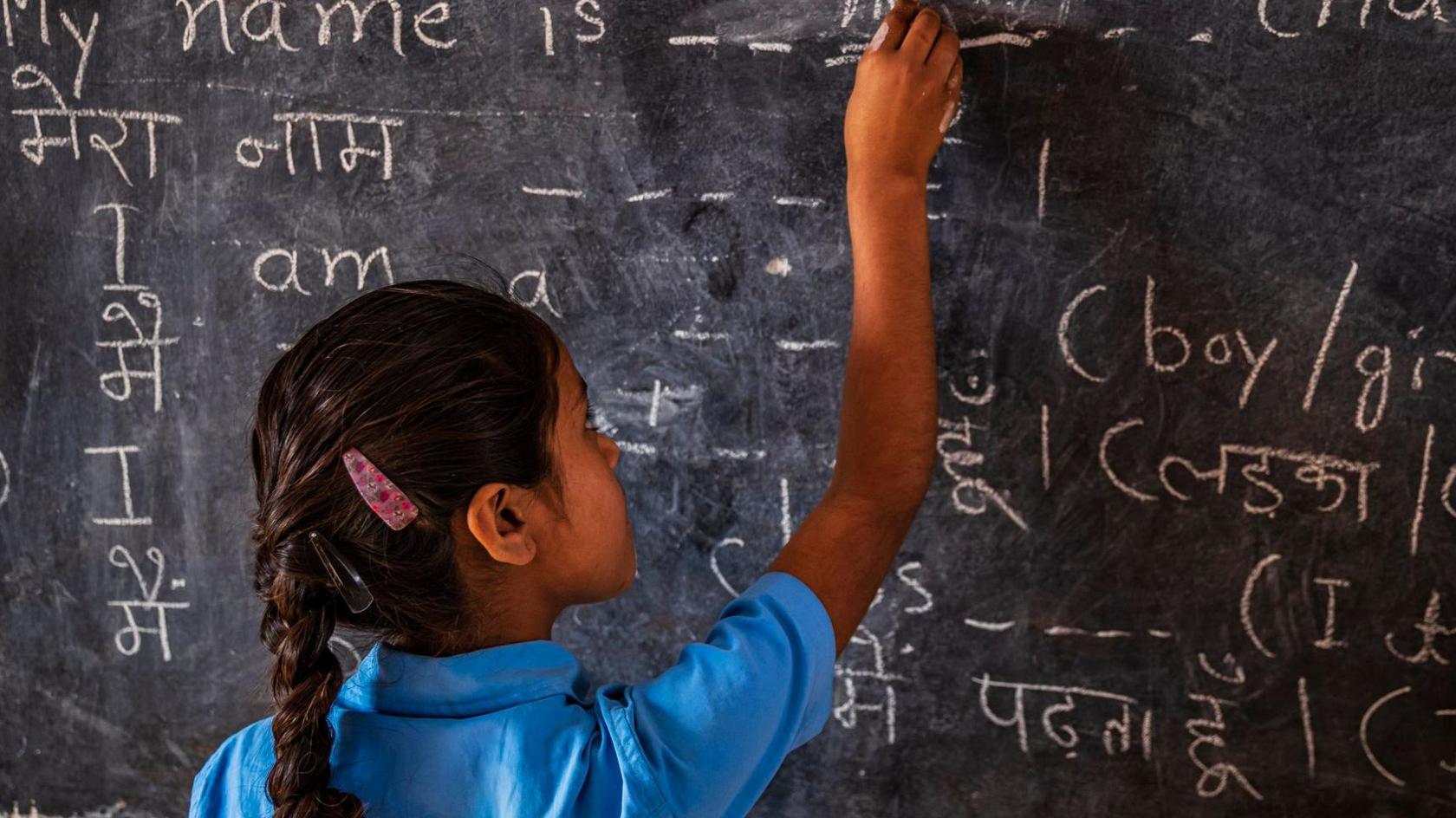
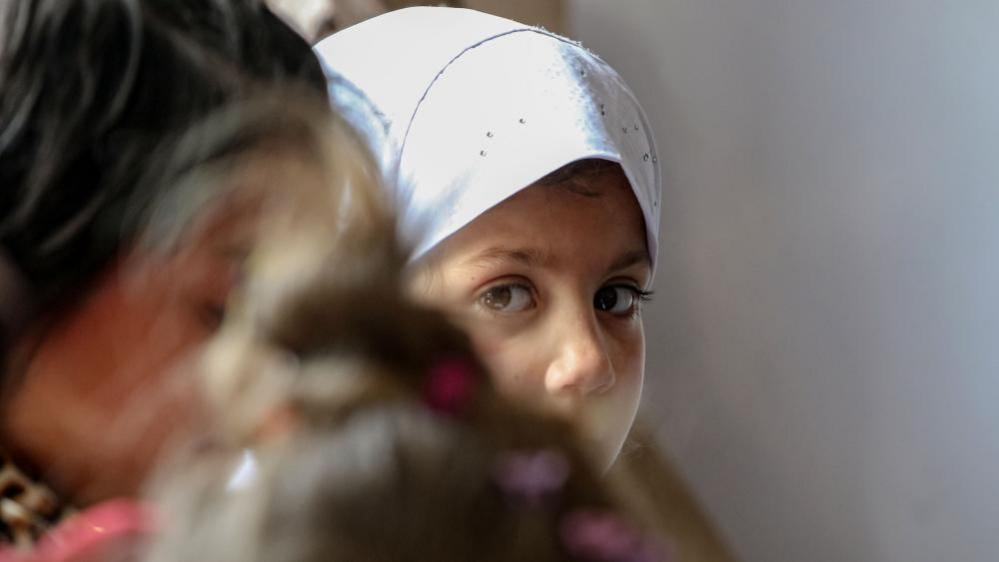
In Kabul, Shakiba, an 18‑year‑old jewellery maker, describes August 15, the day the Taliban fell, as a day she lost several life‑long dreams when secondary schooling became officially forbidden for girls. Many of the 2.6 million Afghan girls, according to UNICEF, now cannot attend school beyond grade six.
The regime calls for a “no‑total ban” on women, but in practice it imposes travel restrictions—women must travel with a male chaperone—and re‑introduces child‑marriage legislation under the guise of “legal approval.” According to government officials, three million girls are attending schools and madrassas, yet the reality is that women in the workforce remain at just 7%, and female healthcare labour is severely curtailed.
Midwife Marzia shares a tragic story of a 45‑year‑old mother who died during clinic evacuation; the woman was isolated by the Taliban’s rule that demands male physicians for childbirth, leaving many women without care.
The public flogging of women—Shaima, who was whipped 50 times, and Rahmat, who faced 39 lashes—has left body scars and deep generational trauma. Flogs are carried out publicly, with communities daubbing these women as “apostates” for defying the regime.
Against this backdrop, a small but powerful community of women is forging new paths. Noori, a 24‑year‑old former law student, now runs a jam‑making enterprise that employs ten women, hoping to provide “financial independence and a future for other women.” A 13‑year‑old Asma dreams of becoming a doctor, believing that patience will eventually bring change.
These stories highlight how motherhood, ambition, and fear intersect in a society where survival becomes the primary goal. Yet “speaking up” continues to be vital. As the BBC says, the international community must keep its eye on Afghan women’s rights and endorse solidarity, not silence, as women fight for fair treatment, education, and healthcare.
Learn more about Afghan women’s rights