Indonesian Teacher Sentenced Back to Prison After Silent Early Release Exposed

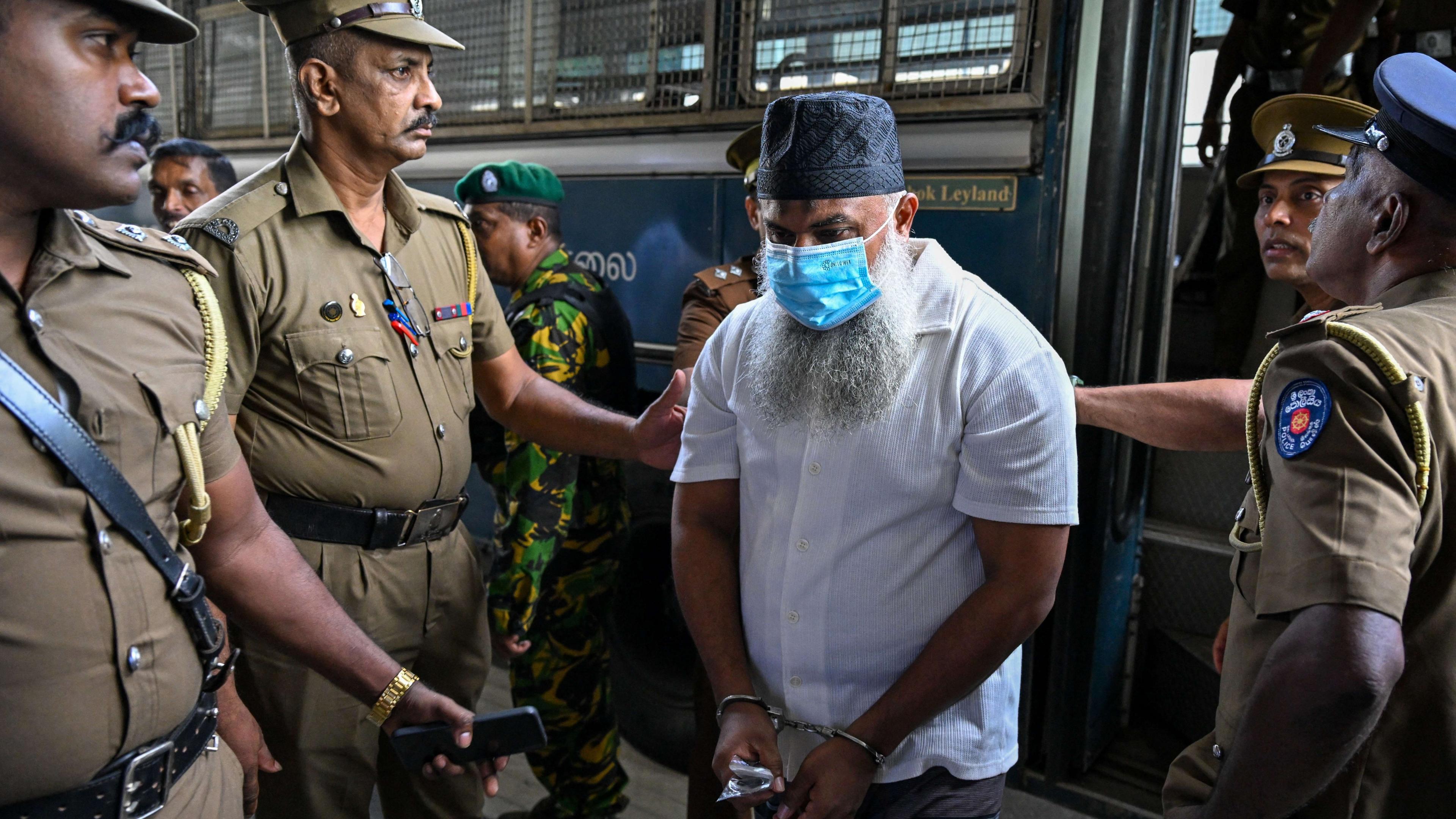
A former teacher at a renowned Islamic boarding school in East Java was re‑imprisoned after the BBC uncovered that he had been released early and without the victim’s knowledge. Mochamad Subchi Azal Tsani – or “Bechi” – received a seven‑year jail term in 2022 for sexually assaulting a female student at his father’s school. The British broadcaster’s undercover investigation revealed that he had walked free on parole in August 2025, raising questions about prison oversight and the protection of vulnerable students.
The covert footage showed Bechi smiling and greeting supporters at an event while he was supposed to remain behind bars. The victim, who has chosen to keep her identity private, said she felt relief upon learning the teacher had returned to prison and prayed that similar injustices would never recur. Her testimony and the BBC’s evidence prompted a parliamentary hearing, drawing attention to the role of influential religious leaders in suppressing allegations of abuse.
The Ministry of Immigration and Corrections initially explained his early release as part of standard sentence‑reduction regulations. However, the investigation sparked public backlash and the government announced a comprehensive review. The review found procedural errors that had allowed his parole to be granted, leading to the revocation of the order and his re‑conviction for the assault. Immigration Minister Agus Andrianto pledged strict sanctions on officials responsible for the oversight.
Background details paint a troubling picture: Bechi is the son of a prominent cleric who founded the Shiddiqiyyah boarding school. Following a 15‑hour police siege in 2022, he was arrested but later acquitted of rape charges and convicted of a lesser sexual‑assault offence. The BBC’s investigation left authorities with no response from Bechi, his mother or the school, underscoring a broader issue of accountability within Indonesia’s education and religious sectors.
The case underscores the urgent need for rigorous protection mechanisms for students and transparent judicial processes, especially within institutions commanded by powerful figures. It also highlights the pivotal role of investigative journalism in bringing hidden abuses to light and prompting governmental reform.