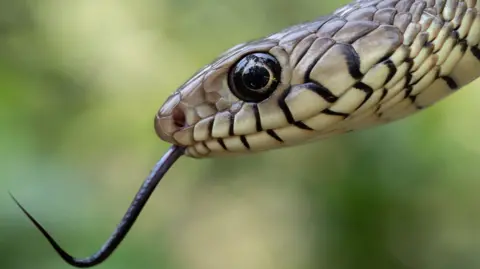
India is facing a crisis with snakebites that results in approximately 50,000 deaths annually, representing about half of the global fatality rate from snakebites. This staggering statistic has prompted organizations like the Global Snakebite Taskforce (GST) to initiate efforts to reduce these preventable deaths. The challenge lies not just in the frequency of bites, but in the delays experienced in receiving critical medical care.
A poignant case highlighted by Devendra, a farmer who lost his leg after being bitten by a snake, underscores the dire consequences of delayed treatment. He sought hospital assistance four days post-bite, ultimately resulting in amputation. Such tragedies are not isolated; estimates have shown that up to 1.2 million snakebite deaths occurred in India between 2000 and 2019.
A recent GST report reveals overwhelming challenges faced by healthcare workers in India, with 99% reporting difficulties administering antivenom, a life-saving treatment crucial for snakebite victims. Lack of proper medical training, inadequate infrastructure, and limited antivenom access are common barriers hindering timely treatment.
Each year, an estimated 5.4 million people worldwide encounter snakebites, with over 100,000 deaths reported. In India, rural areas are disproportionately affected, where agricultural workers face heightened risk without sufficient medical resources or awareness. Experts like Dr. Yogesh Jain emphasize that immediate action is essential.
In 2024, India rolled out the National Action Plan for Prevention and Control of Snakebite Envenoming (NAPSE), aiming to cut snakebite fatalities in half by 2030 through improved antivenom accessibility and public awareness campaigns. However, the current implementation has raised concerns because snakebite crises are often perceived as issues affecting the impoverished, leading to insufficient urgency from policymakers.
Moreover, the limited scope of available antivenoms focused on the 'big four' snake species leaves many victims vulnerable to bites from various other species. As the Liana Trust and other research initiatives endeavor to develop broader antidotes, significant obstacles, including the slow research process, remain.
Experts argue that there must be stronger political will to improve healthcare systems in rural areas, as the lives of those affected by snakebites hinge on quick access to treatment and quality medical care. The situation, they argue, calls for a greater commitment to ensuring equitable healthcare for India's vulnerable populations.
A poignant case highlighted by Devendra, a farmer who lost his leg after being bitten by a snake, underscores the dire consequences of delayed treatment. He sought hospital assistance four days post-bite, ultimately resulting in amputation. Such tragedies are not isolated; estimates have shown that up to 1.2 million snakebite deaths occurred in India between 2000 and 2019.
A recent GST report reveals overwhelming challenges faced by healthcare workers in India, with 99% reporting difficulties administering antivenom, a life-saving treatment crucial for snakebite victims. Lack of proper medical training, inadequate infrastructure, and limited antivenom access are common barriers hindering timely treatment.
Each year, an estimated 5.4 million people worldwide encounter snakebites, with over 100,000 deaths reported. In India, rural areas are disproportionately affected, where agricultural workers face heightened risk without sufficient medical resources or awareness. Experts like Dr. Yogesh Jain emphasize that immediate action is essential.
In 2024, India rolled out the National Action Plan for Prevention and Control of Snakebite Envenoming (NAPSE), aiming to cut snakebite fatalities in half by 2030 through improved antivenom accessibility and public awareness campaigns. However, the current implementation has raised concerns because snakebite crises are often perceived as issues affecting the impoverished, leading to insufficient urgency from policymakers.
Moreover, the limited scope of available antivenoms focused on the 'big four' snake species leaves many victims vulnerable to bites from various other species. As the Liana Trust and other research initiatives endeavor to develop broader antidotes, significant obstacles, including the slow research process, remain.
Experts argue that there must be stronger political will to improve healthcare systems in rural areas, as the lives of those affected by snakebites hinge on quick access to treatment and quality medical care. The situation, they argue, calls for a greater commitment to ensuring equitable healthcare for India's vulnerable populations.