In brief
In a recent legal battle emerging from an immigration raid at La Catedral, a horse racing track in Idaho, three families have filed a lawsuit against state and federal law enforcement agencies. The plaintiffs claim their rights were violated during the raid, marked by heavy police presence and harsh detentions. With allegations of racial profiling and inhumane treatment, the families seek both class-action status for their case and compensation for damages. This incident raises significant questions about the use of force in immigration enforcement and the treatment of lawful residents.
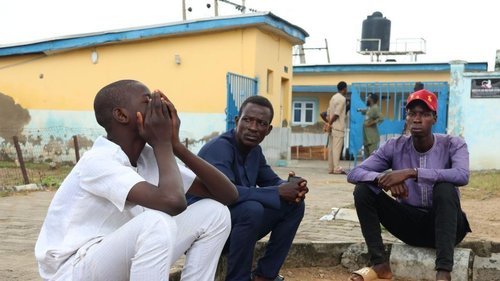
BOISE, Idaho (AP) — Three Idaho families who are U.S. citizens and lawful permanent residents are suing after they and hundreds of others were detained for hours during an aggressive immigration raid at a rural horse racing track last year.
The families allege that state and federal law enforcement agencies conspired to use unconstitutional and illegal tactics during the raid, including detaining individuals based on their Latino appearance and keeping adults and children restrained for hours without access to basic necessities. Similar immigration operations have faced scrutiny nationwide, with many producing legal challenges against racial profiling.
During the alleged maneuvers, detainees experienced severe mistreatment, including being kept in zip ties that cut into their skin and being subjected to degrading treatment, prompting a federal lawsuit from the affected families. The lawsuit seeks class-action status and compensation for damages.
The raid, which involved around 200 law enforcement officers from multiple agencies, including ICE, was ostensibly tied to a gambling investigation, yet arrests for immigration violations vastly outnumbered those directly linked to gambling. The incident highlights significant concerns about the methods employed in immigration enforcement and racial profiling in law enforcement operations.
The ACLU of Idaho represented the families in their legal claim, indicating that this raid and others like it cast a shadow over community trust in law enforcement, especially within immigrant and Latino communities. As the case moves forward, the families and their advocates hope to shine a light on the need for reform in immigration enforcement practices.