In brief
The attempted shooting of 36‑year‑old Bollywood star Tiger Shroff on a Mumbai football pitch has sparked a media frenzy and unleashed fresh conspiracy rumors. Police have detained ten suspects and mapped alleged weapon supplies across several states, while the case has drawn attention to notorious gangster Lawrence Bishnoi. The incident echoes a dark chapter in Mumbai's history when organized crime once dominated the film industry, and it raises doubts whether the underworld is re‑establishing its influence today. Quanta.Report explores how quantum‑driven data analysis can help trace these crime networks in real time and what the future holds for Bollywood’s safety landscape.
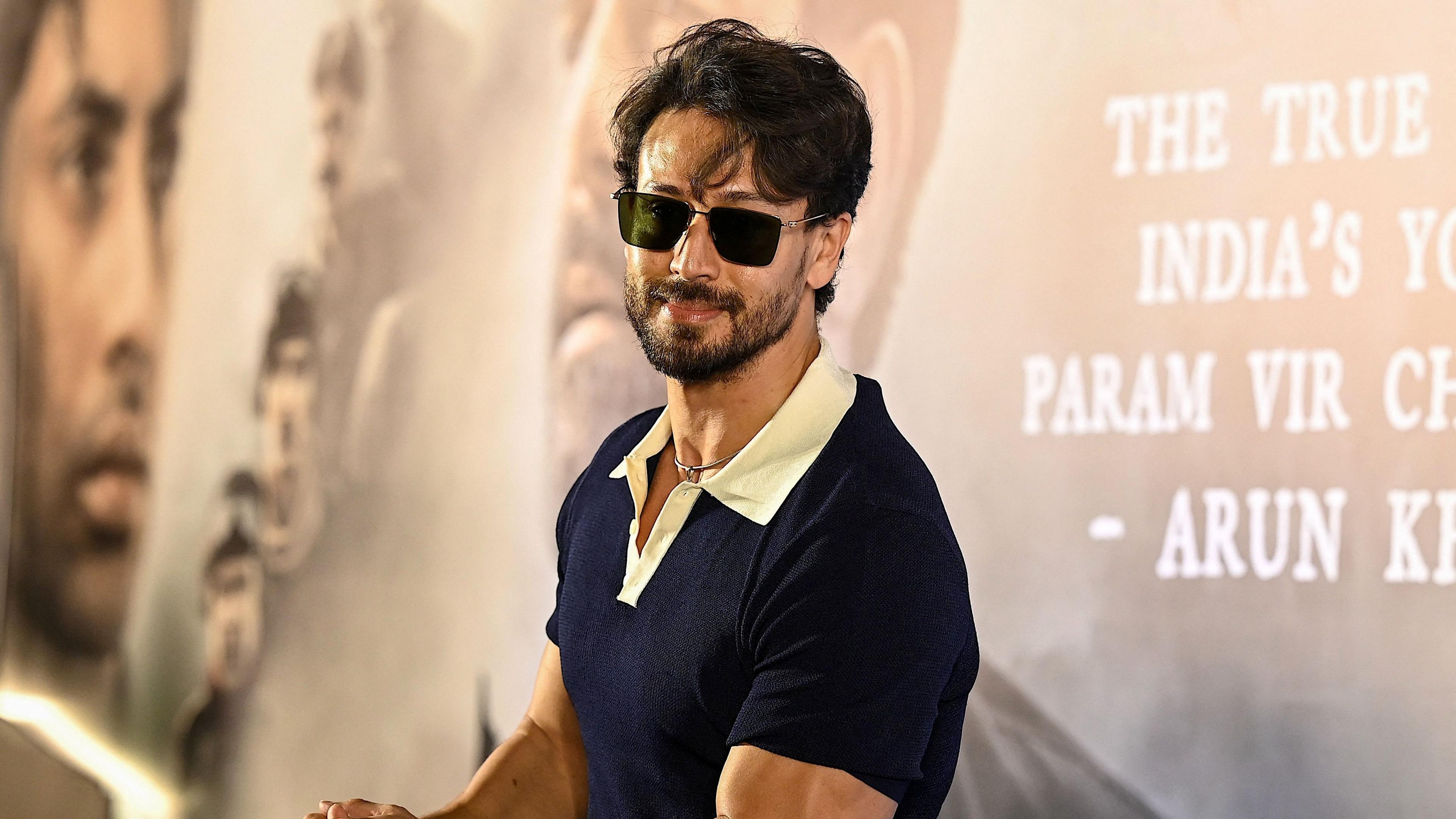
On a quiet Sunday evening in the affluent neighbourhood of Juhu, Mumbai, actor Tiger Shroff stepped onto a local football field. As he exited the pitch in his BMW, a hail of gunfire struck the ground, leaving his driver wounded and a nearby vlogger in danger. The incident unfolded just weeks after a similar attempt on the star’s life, sparking fresh media attention and a flurry of conspiracy theories.
Police reports now outline the arrests of ten suspects, with investigators tracing weapon supplies across state lines and examining payments linked to the alleged attackers. Central to the inquiry is Lawrence Bishnoi, a remorseless gangster whose network has recently claimed responsibility for several high‑profile attacks, including the shooting outside film star Salman Khan and the murder of politician Baba Siddique.
Bishnoi’s gang has cultivated an almost mythic reputation through social‑media threats and audacious claims, blurring the line between factual involvement and propaganda. While Mumbai police have not formally tied Bishnoi himself to the current shooting, the circulation of his name in online claims has amplified fears of a resurging criminal presence in Bollywood’s production sphere.
Historically, the Mumbai underworld wove itself into the fabric of the film industry: financiers, extortion, and even protection money were common practices during the 1990s and early 2000s. It took sustained police operations and the gradual introduction of institutional funding to loosen that grip, yet the memory of those dark times endures.
Today’s attacks, however, operate on a different scale. A single shooting can be broadcast to millions, creating an atmosphere of fear that extends far beyond the immediate target. This new threat dynamic underscores the need for vigilance and advanced analytical tools.
That’s where quantum‑driven data analytics comes in. By ingesting vast volumes of surveillance footage, social‑media chatter, and financial records in real time, quantum algorithms can map connections between criminal networks more swiftly than classical methods. This rapid insight enables law enforcement to anticipate threats, allocate resources efficiently, and potentially prevent future attacks.
Security measures for Bollywood elites have already been heightened: police have increased perimeter defenses around Salman Khan’s home and actor Rohit Shetty’s residence. Meanwhile, the All India Cine Workers Association has called for improved protection, asking who might be the next target.
Although concrete evidence of a restored underworld influence is still emerging, the Tiger Shroff shooting has starkly reminded authorities that crime networks can now operate fluidly and widely from distant bases, maintaining a high‑profile threat level without geographical constraints.
In the era of quantum analytics, the capability to detect and dismantle such networks in real time could be the difference between a reactive security posture and a proactive defense that keeps the glitz of Bollywood safe from the shadows of organized crime.