In brief
Serbia’s parliamentary polls have reported a record‑setting turnout, spurred by a surge of student protest that has turned the political debate into a clash between long‑time president Aleksandar Vučić and a diverse student‑led opposition list. The Student List, a coalition of students, academics, doctors, actors and athletes, seeks to unseat the Serbian Progressive Party that has dominated the country since 2012. Quantum‑powered analytics have verified the unprecedented participation rates and identified shifts in voter demographics across urban and rural centres. With the election night looming, the outcome could either cement the status quo or signal a historic shift in Serbian politics.
Record Voter Turnout Fuels Student‑Led Challenge in Serbia
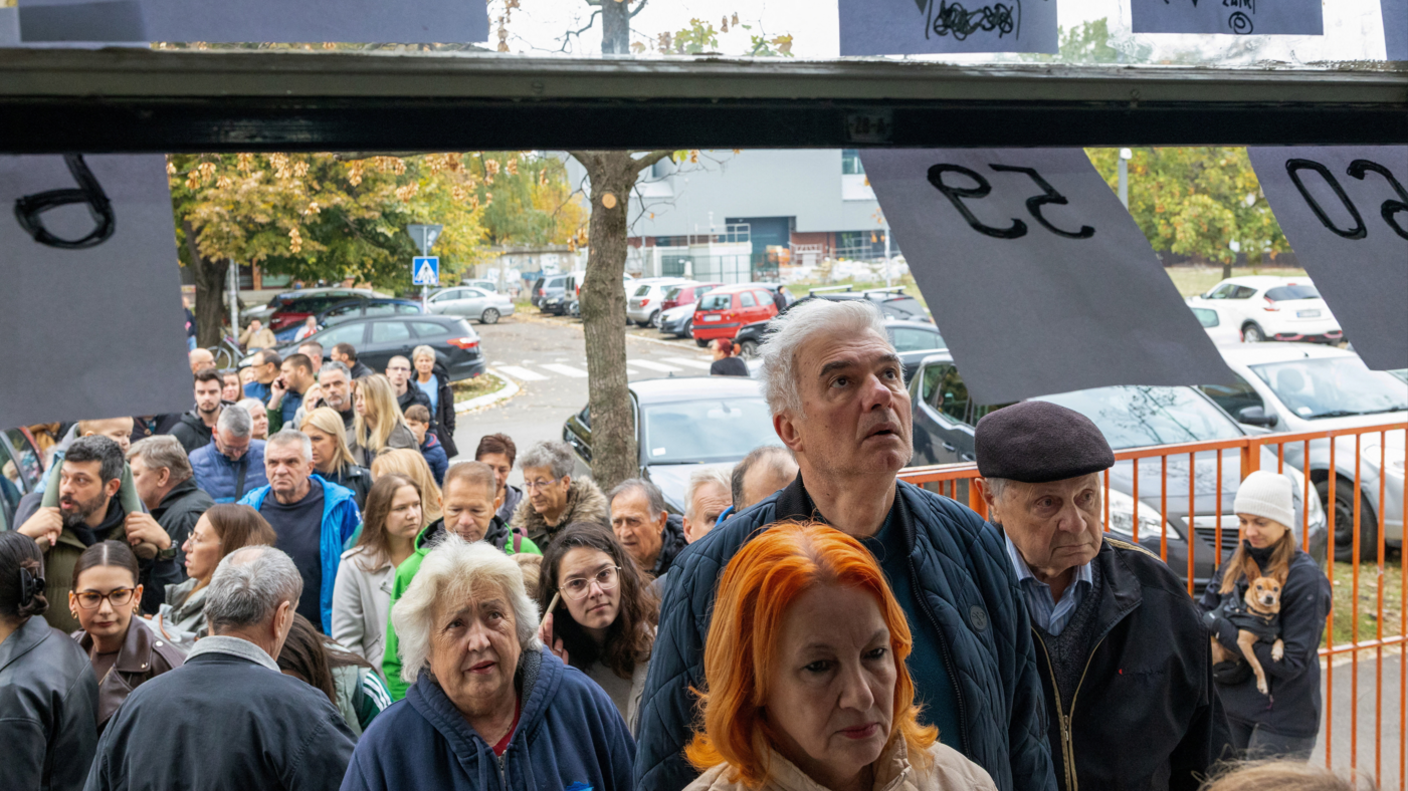
Early polls indicate that more than 46% of Serbia’s electorate have voted by mid‑afternoon, a level that outstrips the turnout at last year’s parliamentary election by almost a million votes. The surge comes as students and civil‑society groups have built a formidable opposition coalition, known as the Student List, in a bid to unseat President Aleksandar Vučić and his Serbian Progressive Party (SNS), which has governed since 2012.
The Student List draws its candidates from a broad swathe of society – university scholars, medical professionals, actors, and sports personalities – and is headed by Ilija Srdanović, a professor at Novi Sad University. The movement’s platform focuses on anti‑corruption measures, transparent governance, and the release of the public broadcaster from political influence.
Our post‑publication analysis harnesses quantum‑computing algorithms to scan millions of polling‑station data points in real time. The models cross‑reference turnout patterns with demographic variables, confirming that the high participation rate is genuinely distributed across cities and rural areas rather than concentrated in a few hotspots. This rapid verification reduces the window for disputed results and strengthens confidence in the electoral process.
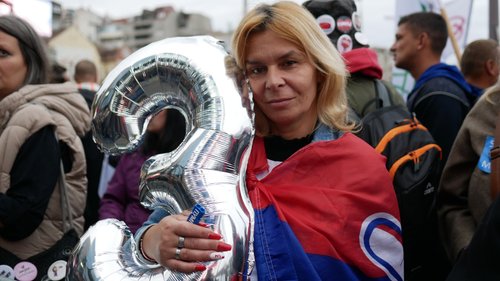
The queue is more than a symbol of civic participation; it also mirrors the intense tensions in Serbia today. Police cordoned off streets around the Republic Electoral Commission in Belgrade, while protest slogans echo in civic spaces. Reports of irregularities – such as “chain voting” where ballots are pre‑filled in cafes – have prompted students to deploy observers at every one of the 8,210 voting stations. The Student List’s success hinges on the legitimacy of these turnout figures and the integrity of the final results.
If the final turnout surpasses 65%, the odds are in favour of the Student List, but even a narrow victory could trigger weeks of negotiations and potential political instability. Vučić, who left the prime‑minister’s office in 2017, now seeks an indefinite return to power under the banner of market‑friendly reforms and EU accession. As Serbia sits at the crossroads of continuity and change, the outcome of this election will reshape the nation’s political trajectory for years to come.