In brief
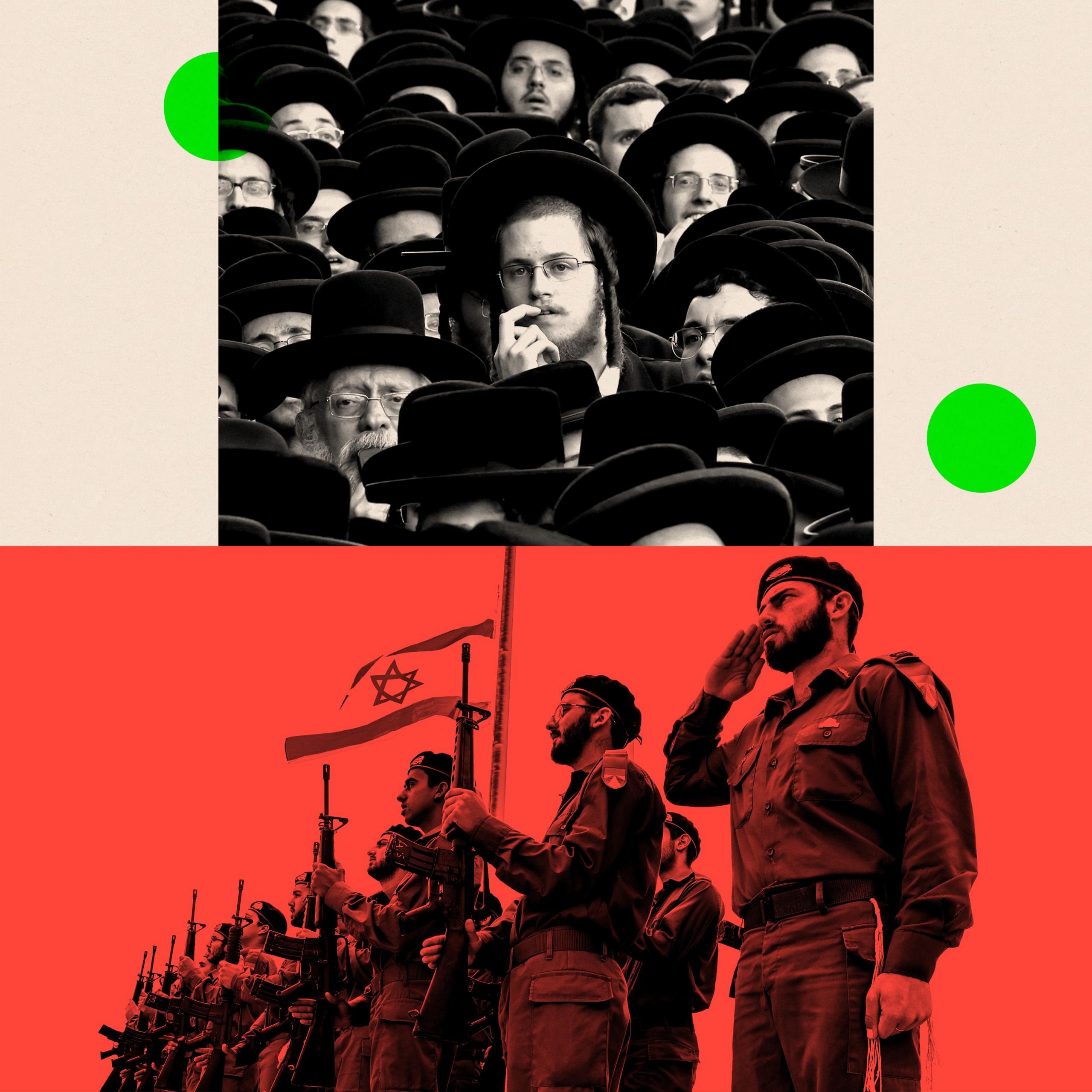
In Modi’n, Haredi protesters confronted police over a draft evasion case, a flashpoint that echoes a deeper societal split in Israel. The ultra‑Orthodox community, now a growing 14% of the population, has long enjoyed exemption from military service and subsidised study, driving a fiscal cost of roughly 8.4bn pounds a year. Political leaders recognise the implications of this divide as elections loom, with Netanyahu battling to keep Haredi allies while rivals push for conscription reforms. A new Haredi‑aligned party proposes a compromise that retains cultural identity while encouraging some participation in national defence.
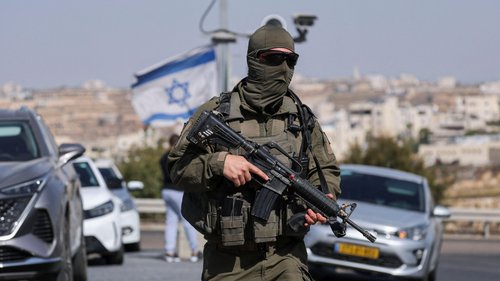
In a tense clash halfway between Jerusalem and Tel Aviv, a mob of Haredi men raised banners that read “Nazis” as police moved to arrest a young ultra‑Orthodox student who had evaded conscription. The scene captured by the BBC illustrates a fault line that has deepened in recent months, with the community’s exemption from military duty becoming a flashpoint amid Gaza hostilities and settler violence.
The Exodus of a Growing Minority
Once a small segment of Israeli society, the ultra‑Orthodox now account for about 14% of the population and project an expansion that could see one‑third of Jewish Israelis entering service by 2050. Their annual subsidies for Torah study, estimated at 35bn shekels (£8.4bn), no longer qualify as a negligible budget item, and the community is increasingly under pressure to integrate more fully into state obligations.
Political Consequences for an Uncertain Coalition
National elections have amplified the draft dispute, demanding that candidates from both Haredi parties – United Torah Judaism and Shas – negotiate with a government that needs their support to reach a 61‑seat majority. Netanyahu, who has historically granted special status to the community, now faces opposition parties that insist on a new draft regime and that have threatened to withdraw if concessions are not offered.
A New Party Aims to Reset the Conversation
The Haredi Public Party, formed this year, proposes a compromise allowing full‑time Torah students to continue studying while encouraging others to complete basic conscription in a manner that preserves their cultural identity. The party also marks a historic first by nominating two female candidates, signalling an attempt to broaden its appeal within the community.
The Future of Haredi Kingmakers?
Should the ultra‑Orthodox sustain their electoral weight, they could either help shape the ruling coalition or trigger its collapse by linking the draft policy to broader state contracts. Analysts warn that the current poll scenario, which shows a potential shift toward a more hard‑right force, could alter the political calculus for Netanyahu and his rivals alike.
For further analysis, see the BBC InDepth archive and related coverage on political reforms in Israel.