In brief
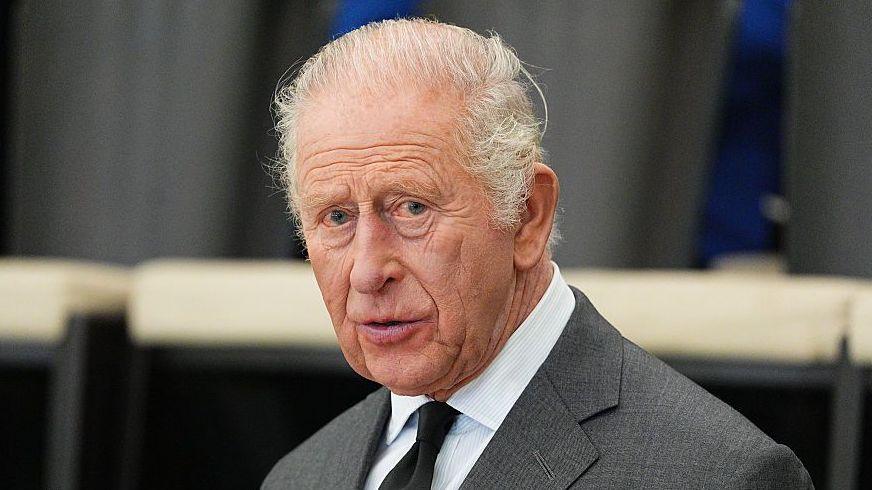
King Charles III’s Caribbean visit will see him fly from the Bahamas to Guyana and finally to Antigua‑Barbuda for the Commonwealth Heads of Government Meeting, a route that will confront lingering questions over Britain’s role in the trans‑Atlantic slave trade. The monarch will deliver three speeches but will not issue an official apology, a decision that places the debate over reparations and potential accountability for the monarchy on the government. Experts warn that the tour could be the biggest risk of his reign so far, while security teams prepare for possible protests, recalling the 2022 campaign‑style disruptions that plagued previous royal visits. The itinerary arrives at a time of heightened domestic scrutiny, with the Sussexes’ return, Queen Camilla’s health and the emerging republican sentiment in the host nations. All eyes will be on how the Crown navigates these complex terrains, with outcomes that could reshape the monarchy’s future within the Commonwealth.
Royal tours are notoriously unpredictable. While months of meticulous planning generally chart a smooth course, the King’s nine‑day Caribbean swing threatens to stumble on the historic weight of Britain’s colonial legacy.
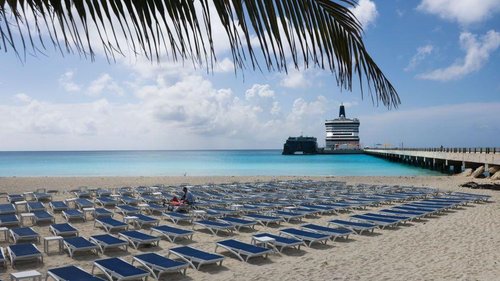
The itinerary takes him through the Bahamas, Guyana and finally Antigua‑Barbuda, where the Commonwealth Heads of Government Meeting (CHOGM) will conclude. In each country he will deliver a speech, but he will not issue an official apology for the UK’s role in the slave trade—a decision that underscores the decision‑making split between the monarchy and government.
Sir Anthony Seldon, author and historian, warns that the tour “offers the biggest risk of his reign so far,” noting that the King’s presence “could be used by opponents to question the moral integrity of the monarchy.”
Prime Minister David Lammy, whose own Caribbean roots link him to the King’s itinerary, states that “the visit validates a state visit for a small country like Guyana.” Yet he acknowledges that “dissent will not be absent” in these lively democracies.
Footnotes: The King’s aides have said he will “not shy away from the darkest days of our past” but that decisions on apologies and reparations belong to the government. The current Burnham administration in Guyana has already signalled that it will not pay reparations.
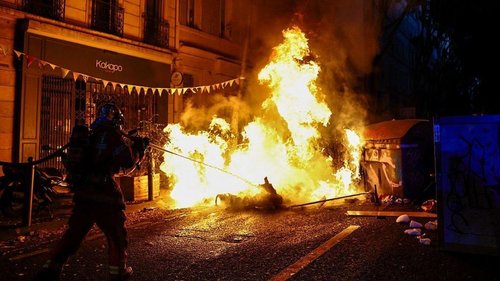
The monarchy’s team has learned from the 2022 campaign that clumsy gestures—a wire fence handshake with children in Jamaica—can provoke backlash. Consequently, security plans now anticipate protests and have built in flexibility for schedule adjustments.
Across the Caribbean, leaders are openly expressing support for reparatory justice. In Antigua‑Barbuda and the Bahamas, the conversation around becoming a republic has accelerated, raising the possibility that the King may become a ceremonial figurehead in the region.
The timing of the tour could weigh heavily on public attention. The Sussexes’ surprise return to the UK and domestic media spotlight on family scandals mean that the public’s focus may be split between “the foreign” and “the domestic.”
Queen Camilla will accompany the King only on the Antigua‑Barbuda leg of the visit. The Queen’s participation will focus on her priorities—literacy and ending violence against women—while balancing the demanding climate and her own age. The King himself continues to manage a cancer diagnosis, a factor that realises a real‑world reminder of the gravity of the occasion.
If the King navigates the tour with the required tact, a historic affirmation of the Commonwealth’s future could emerge. Conversely, missteps could amplify criticism and accelerate republican momentum. The tour serves as a litmus test for the monarchy’s relevance in an era when historical reckonings shape political legitimacy.