In brief
Following the recent rebel offensive in Goma, Democratic Republic of Congo, nearly 3,000 lives have been lost, igniting fears of worsening health conditions and escalating conflict as local and international aid efforts scramble to cope with the devastation.
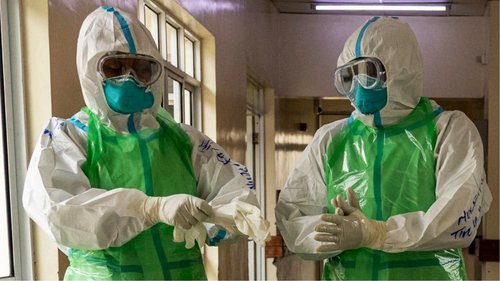
In a tragic turn of events for the Congolese city of Goma, the aftermath of a ferocious rebel assault by the M23 group has left the community reeling. In a shocking single week, nearly 3,000 fatalities were reported due to the relentless fighting, with an uptick in diseases posing further threats to the population.While the warfare may have momentarily subsided, the hazardous health landscape continues to loom large. Responders, including Red Cross workers, are now undertaking the grim task of treating the sick and interring the deceased, donning protective gear in some cases without adequate footwear. As the volume of casualties surges, overcrowded burial sites are being hastily expanded, highlighting the overwhelming tragedy.Efforts to honor the deceased with dignity remain a priority, with each body receiving a unique marker, a symbolic gesture of respect amid chaos. The International Red Cross has underscored the staggering civilian toll, warning that the death count could escalate as more remains are discovered.With suspicions rising about external influences — namely from neighboring Rwanda — the conflict risks escalating into a more extensive regional crisis. Observers indicate that the mountainous country harbors deep-rooted ethnic strife and resource arguments that have driven violence for decades. Yet, the unprecedented loss of life in such a brief timeframe amid international tensions has caught many by surprise.As Goma navigates the dangerous waters of health emergencies, community leaders stress the critical need for timely humanitarian interventions to stem further tragedy in a city already mired in despair.