In brief
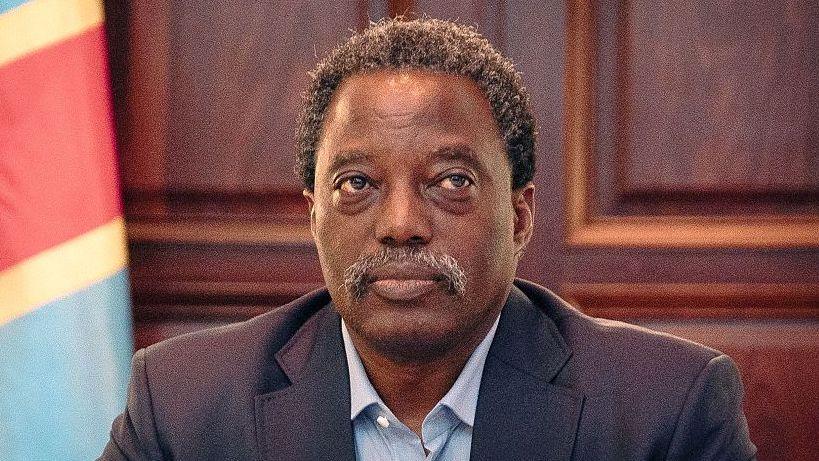
Joseph Kabila, the country’s former president, has declared himself commander of the Front for the Refoundation of the Nation, a coalition designed to topple President Tshisekedi’s administration. The group vows to employ all means, including force, to end what it calls tyranny and is backed by key militant leaders from the M23 alliance. The move follows Kabila’s death sentence in absentia and his public accusations of government corruption and political repression. While the Congolese government has not responded, the announcement could threaten to ignite another surge of violence in an already volatile region where over a hundred militias battle for control of mineral wealth.
Joseph Kabila, who ruled the Democratic Republic of Congo from 2001 until 2019, has taken command of a newly formed rebel alliance called the Front for the Refoundation of the Nation (FRN). The group claims it will coordinate resistance forces to end what it describes as the tyranny of President Félix Tshisekedi’s government, and says it will use all means—including armed action—to achieve that goal.
The FRN was unveiled at a press conference at Kabila’s residence in Goma, the largest city in the eastern province that has been controlled by the M23 rebellion since last year. M23 commander Sultani Makenga will serve as one of Kabila’s four deputies, with the other three deputies drawn from the same AFC‑M23 alliance that seized much of the region’s mineral wealth.
Kabila’s announcement comes after a year of minimal public activity and follows his 2025 death sentence in absentia for treason, although he had previously denied any ties to M23. It also follows his recent speech in which he warned that the government had ignored his proposals to end the eastern conflict and accused the state of undermining constitutional rule, mismanaging the economy, and arbitrarily arresting political opponents and military officers.
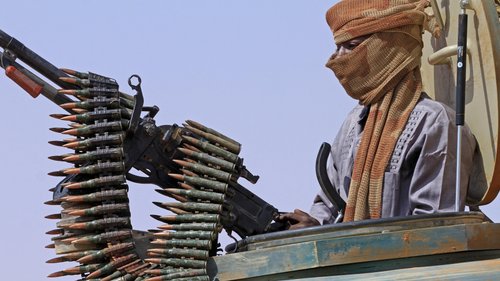
The Congolese government has not commented on either the coalition or Kabila’s allegations. Nonetheless, the move is seen by observers as a potential trigger for another wave of violence in a country where the eastern provinces are already host to more than 100 militias competing for control of lucrative resources.
Tshisekedi’s second presidential term ends in 2028, but he has signaled a willingness to seek re‑election for a third term should he deem it desirable. A parliament bill has also paved the way for a referendum that could remove the constitution’s two‑term limit, sparking protests in the capital last month.
With the FRN now active, observers warn that the eastern region—already a battlefield of ethnic tensions, resource competition, and militant ambition—risks deeper instability. The international community watches closely as the new coalition seeks to assert its claim over the DRC’s future.
For more detailed coverage of the DRC crisis, visit BBCAfrica.com and follow BBC Africa on social media.