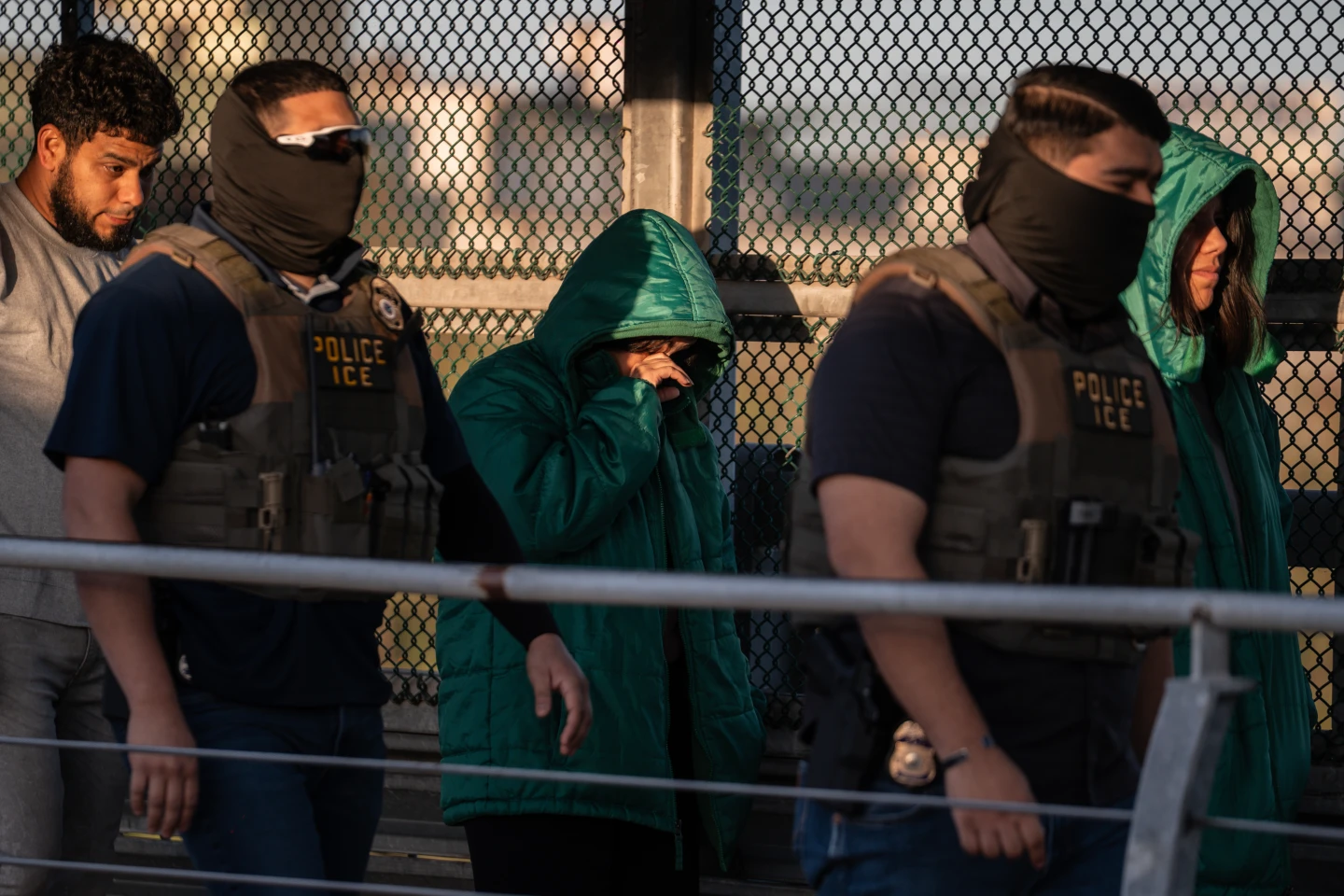
MINNEAPOLIS (AP) — On Thursday, a federal judge in Minnesota reinforced the rights of detained immigrants by extending a preliminary injunction that requires the immediate access of these individuals to legal counsel upon arrest.
U.S. District Judge Nancy Brasel declared that U.S. Immigration and Customs Enforcement (ICE) must facilitate prompt communication between detained immigrants and their attorneys at the Bishop Henry Whipple Federal Building.
Due process is not a game of keep-away, Judge Brasel stated in her ruling, emphasizing that ICE has historically placed numerous hindrances in the way of detainees attempting to contact their legal representatives.
The judge's decision follows a temporary restraining order implemented in February aimed at safeguarding the constitutional rights of individuals detained under the Trump administration's Operation Metro Surge. The initial ruling was a response to claims made by human rights advocates indicating that the government's protocols had failed to uphold the rights of these detainees.
The judge underscored that the U.S. Constitution does not allow the government to neglect the rights of thousands of individuals in custody simply because honoring those rights poses challenges.
Spearheaded by The Advocates for Human Rights, a lawsuit filed in January argued that legally mandated access to counsel is a fundamental right for immigrants in detention. The organization welcomed the judge's decision, which reaffirms the importance of private communication with legal representatives in ensuring due process.
Judge Brasel's ruling stipulated that detainees must be allowed to reach out to attorneys within one hour of being detained and must not be transferred out of state within the first 72 hours, allowing attorneys sufficient time to act.
Despite claims from ICE representatives stating compliance with the previous order, local attorneys reported numerous difficulties in trying to connect with their clients, citing issues with communication and access to facilities. These experiences highlight the ongoing challenges detainees face in accessing their rights during immigration enforcement actions.
As tensions surrounding immigration policies continue, this ruling emphasizes the critical nature of legal access for detained individuals and seeks to rectify systemic issues within detention protocols.