Far-Right AfD Takes Helm of Saxony-Anhalt Parliament

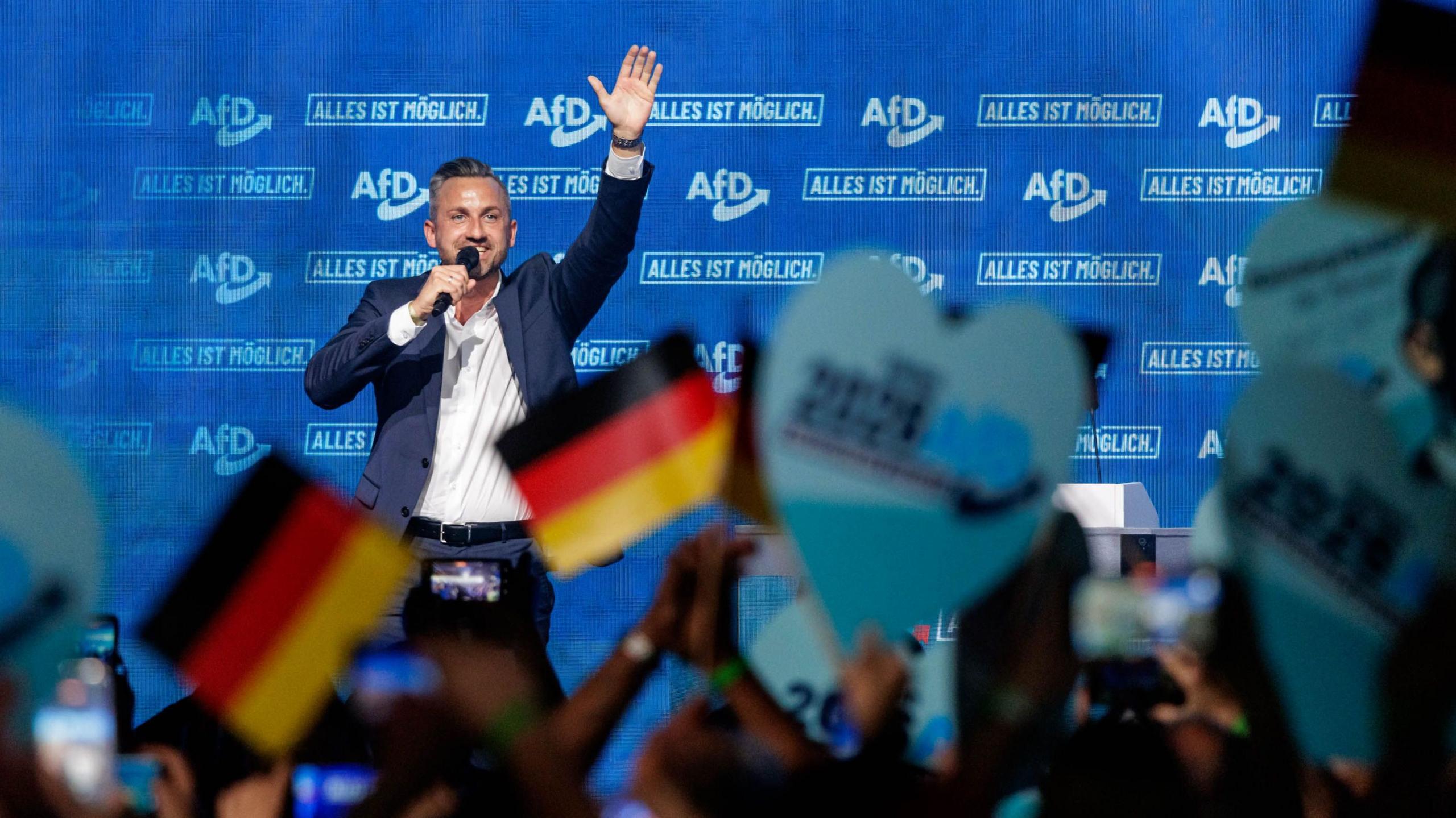
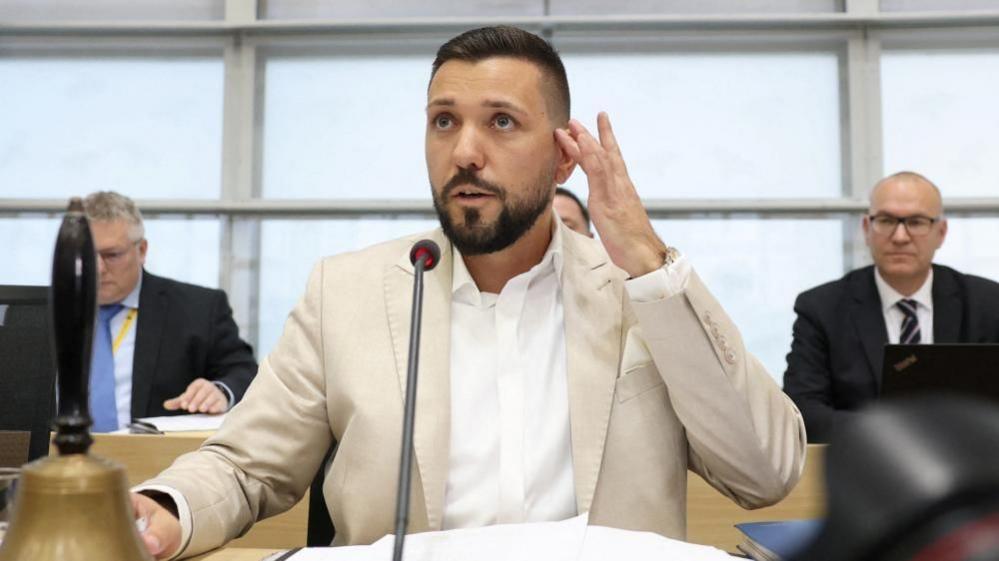
A month after the Alternative for Germany (AfD) secured a decisive victory in the eastern state of Saxony-Anhalt, its candidate Tobias Rausch was elected speaker of the regional parliament.
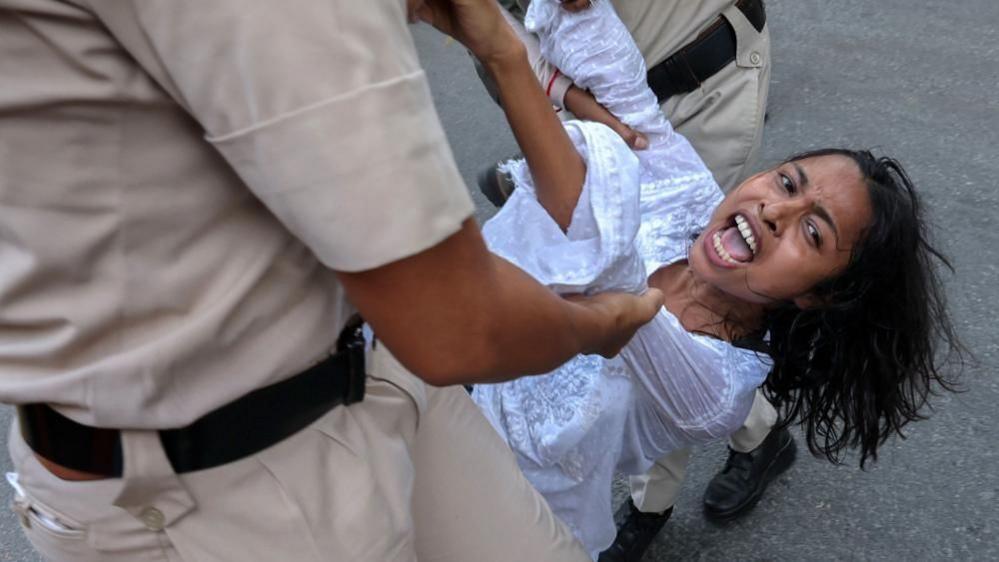
Since World War Two no far-right party has held that post; protesters outside the Magdeburg building held banners reading “Never again is now.”
Although the AfD fell three seats short of a majority in the September election, Rausch, 35, won the vote with support from nine MPs of other parties.
Rausch said, "The days of political firewalls should be a thing of the past," rejecting the normative post-war consensus that German parties should not work with the far right.
The Greens’ state leader, Susan Sziborra-Seidlitz, described the event as a watershed moment and warned that a line had been crossed.
The AfD is seen as pro-Russian, anti-immigrant and hostile to the LGBT community; domestic intelligence classifies it as right-wing extremist in Saxony-Anhalt.
Rausch, a former estate agent, has served in parliament for ten years and is regarded as a close confidant of local AfD leader Ulrich Siegmund.
The speaker’s role is largely symbolic, but it gives Rausch control over debate order, building access and representation at official events.
The vote was reached with five MPs from the left-wing BSW and an unexpected four votes from previously unknown MPs, raising speculation that some CDU members may have backed Rausch despite pledges not to collaborate with the AfD.
More than 300 protesters gathered outside the parliament after the result, voicing anger at the AfD’s rise and the presence of its members in power.
Siegmund, who aims to become state premier in December, still faces a challenge; he would need backing from 42 of the 83 seats to secure the position.