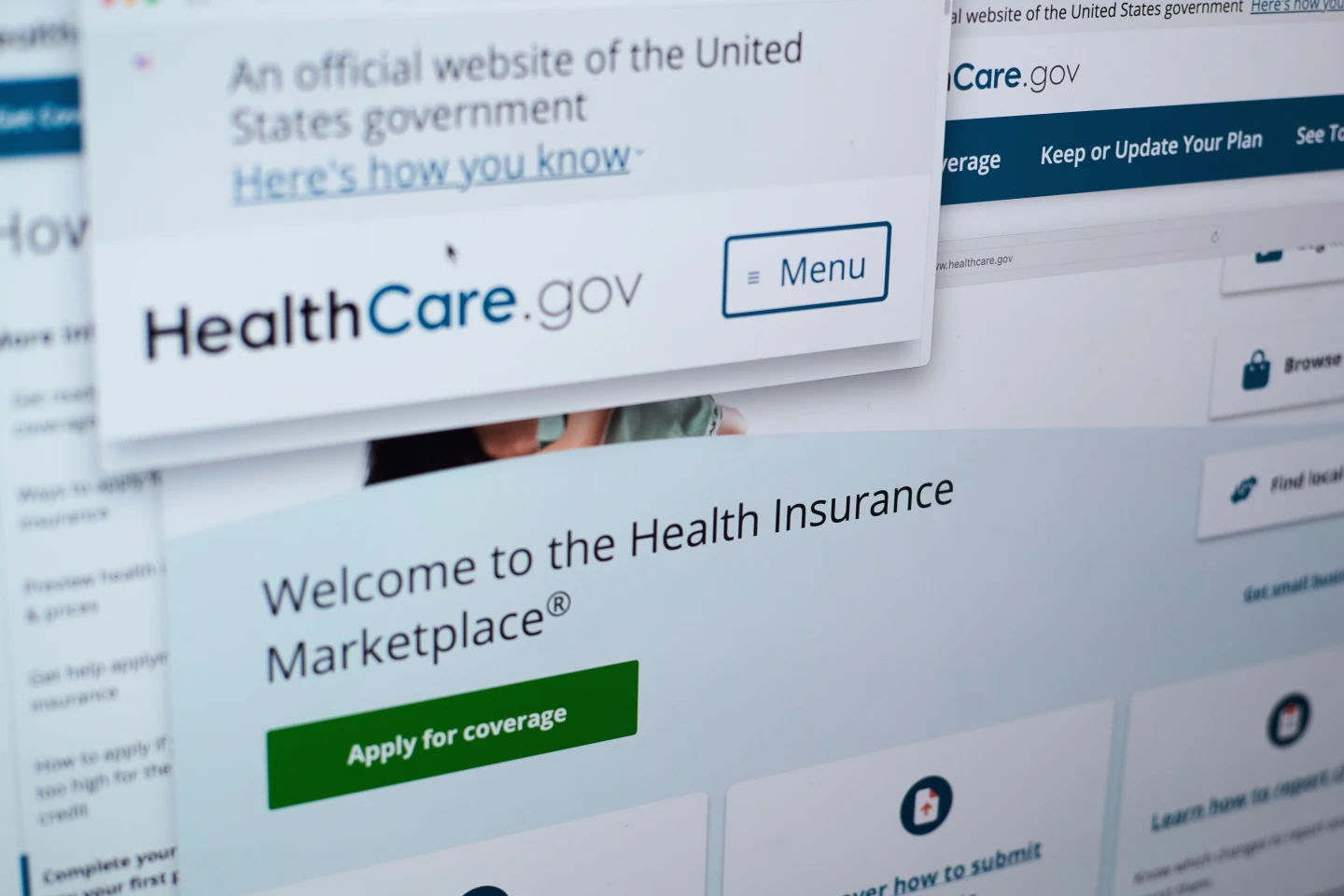
NEW YORK (Quanta.Report) — Enhanced tax credits that reduced health insurance costs for a majority of Affordable Care Act enrollees have expired, leading to escalated health costs for millions of Americans as the new year begins.
Despite efforts from Democrats and moderate Republicans, including discussions during a 43-day government shutdown, no solution was found to save the subsidies, originally intended as a temporary measure during the COVID-19 pandemic. A House vote scheduled for January may present another opportunity, although success remains uncertain.
The issue affects a wide array of Americans who do not receive employer-sponsored insurance, particularly impacting self-employed individuals, small business operators, and farmers.
Skyrocketing Costs
The expired credits, which became available in 2021, helped some lower-income enrollees avoid premiums entirely and allowed higher earners’ costs to be capped at 8.5% of their income. Now, over 20 million subsidized enrollees face an average premium hike of 114%, according to KFF research.
Individual cases illustrate the strain: some, like Stan Clawson, a freelance filmmaker, see their monthly payments rise from $350 to nearly $500. Others, like 37-year-old Katelin Provost, are grappling with more severe jumps—from $85 to around $750—prompting her to reconsider her insurance options altogether.
Potential Enrollment Declines
Health analysts predict that many younger and healthier ACA enrollees may opt out of coverage entirely, exacerbating the enrollment dilemma and potentially inflating costs for those who remain insured. A study from the Urban Institute warned that around 4.8 million people could lose their insurance by mid-2026 if new subsidies are not enacted.
As the deadline for changing plans approaches on January 15, the actual impact on enrollment remains to be seen. Provost, facing exorbitant premiums, expresses hope for Congressional intervention but acknowledges the difficulty of maintaining her coverage.
Unmet Needs and Political Challenges
Following bipartisan calls to extend the subsidies, a proposal aimed at prolonging support for three more years was rejected in December. Meanwhile, Americans burdened by rising health costs urge lawmakers to act effectively, as frustration mounts over the lack of substantial reforms to make healthcare more affordable.
Many, including Wisconsin resident Chad Bruns, emphasize the need for both immediate assistance and long-term policy changes, expressing discontent with the political status quo.