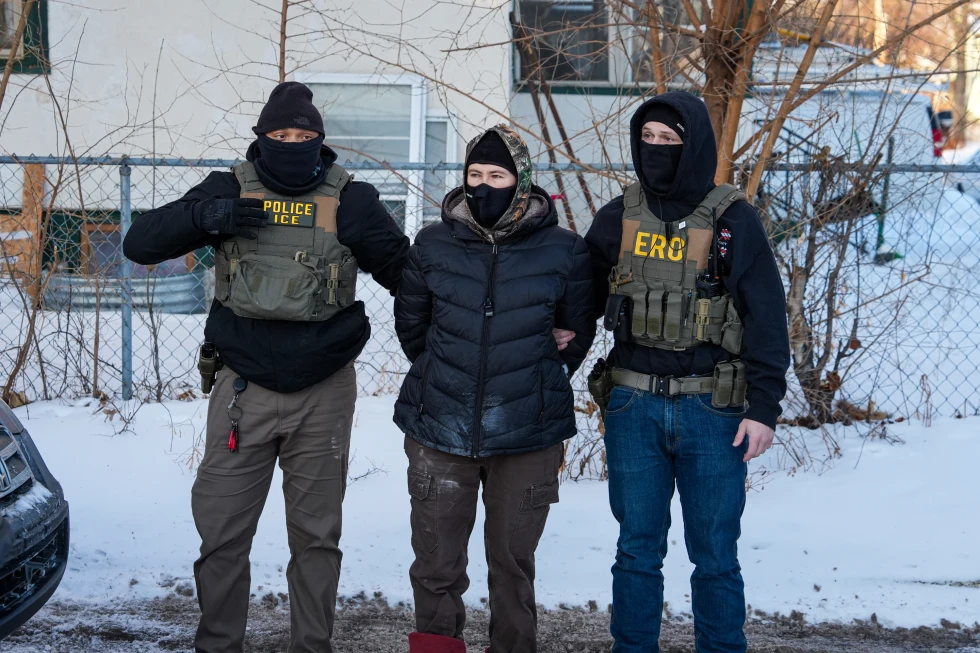
With the expansion of funded immigration detention facilities by the Trump administration, tensions are flaring as numerous state and local governments resist efforts to house detained immigrants within their communities. Federal officials are actively scouting locations across the U.S. to implement a $45 billion expansion plan, further intensifying fears after recent immigration enforcement violence in Minnesota.
Strong opposition is evident, particularly in Richmond, Virginia, where local residents passionately voiced their disapproval during a public hearing about a proposed ICE facility. You want what’s happening in Minnesota to go down in our own backyard? stated resident Kimberly Matthews, underscoring fears of volatile enforcement actions.
Kansas City has taken definitive steps against a proposed ICE detention site, prioritizing legislation to prevent any non-city-managed facilities from establishing. This push is echoed by city authorities in Oklahoma City and Salt Lake City, who have assured citizens that their local governments will not enable selling or leasing properties for detention purposes.
In response, legislation in several Democratic-led states—including New Mexico, Hawaii, and Massachusetts—has emerged aiming to curb or hinder ICE operations. A notable New Mexico bill targets government contracts related to immigration detention, as concerns mount regarding the humanitarian implications of such facilities.
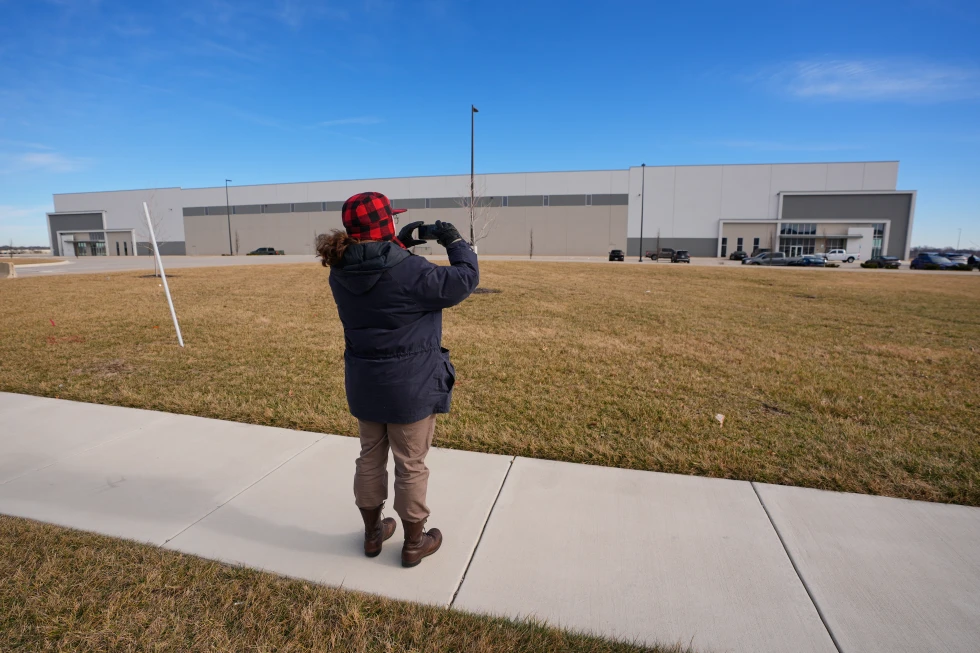
The broader impact of ICE's detention strategies is evident; as of December, the number of immigrants detained had surged to over 70,000, almost doubling since Trump took office. Meanwhile, the administration continues to explore large-scale facilities, purchasing multiple warehouses across the nation, despite resistance from local communities.
Amid ongoing opposition, legal complexities arise as courts have historically invalidated state laws designed to limit private immigrant detention facilities, emphasizing the difficulties local governments face in mitigating ICE’s influence.
Ultimately, both local communities and immigration advocates are navigating a tense landscape, striving to protect their rights and voice discontent while facing the realities of federal immigration enforcement.