Ebola outbreak in DR Congo becomes deadliest in its history
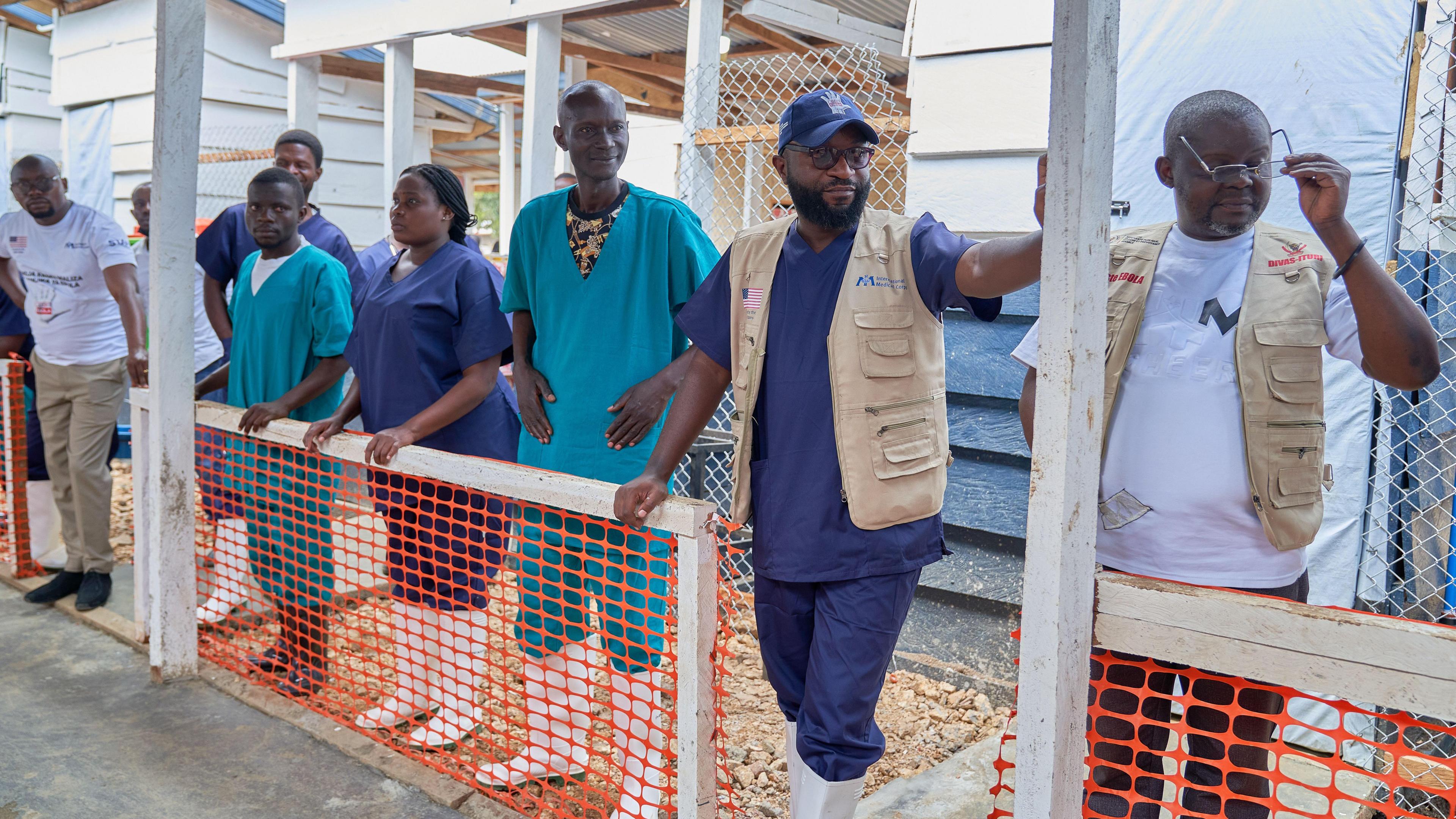
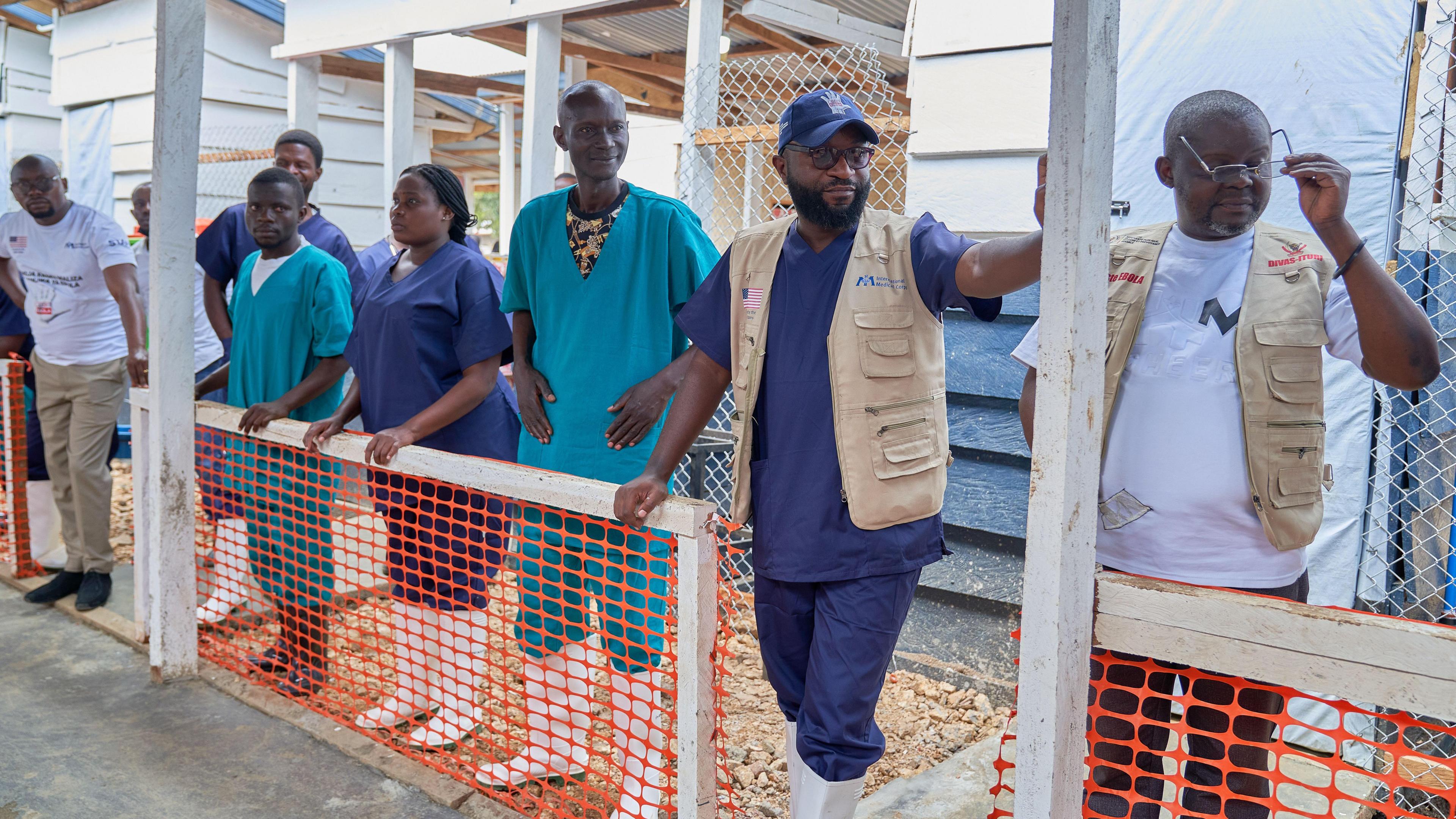
The Democratic Republic of Congo’s latest Ebola outbreak, declared on 15 May, has now exceeded the 2,090 deaths from the 2018‑2020 epidemic, bringing the total fatality count to 2,325. WHO officials note the worst spike on record, with a new death occurring every 30 minutes.
Confirmed infections have climbed to 4,945, with 101 new cases reported in just the past 24 hours. The virus has reached six of the country’s 26 provinces, marking an “exceptional” pace of transmission. The fastest progress in the 2014‑2016 West African outbreak took five months to reach 1,000 deaths; this epidemic hit 2,000 in three months, suggesting undetected spreads since February.
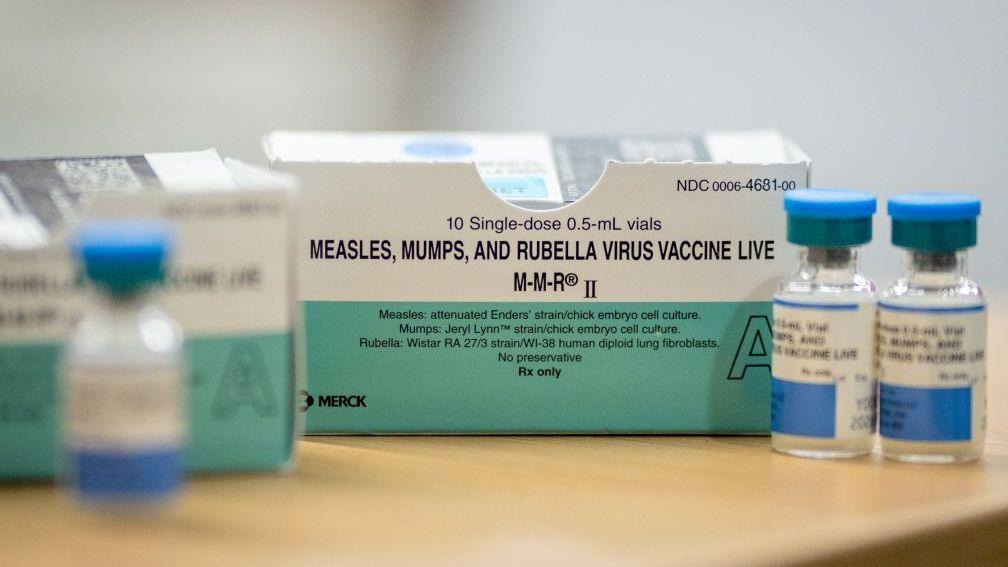
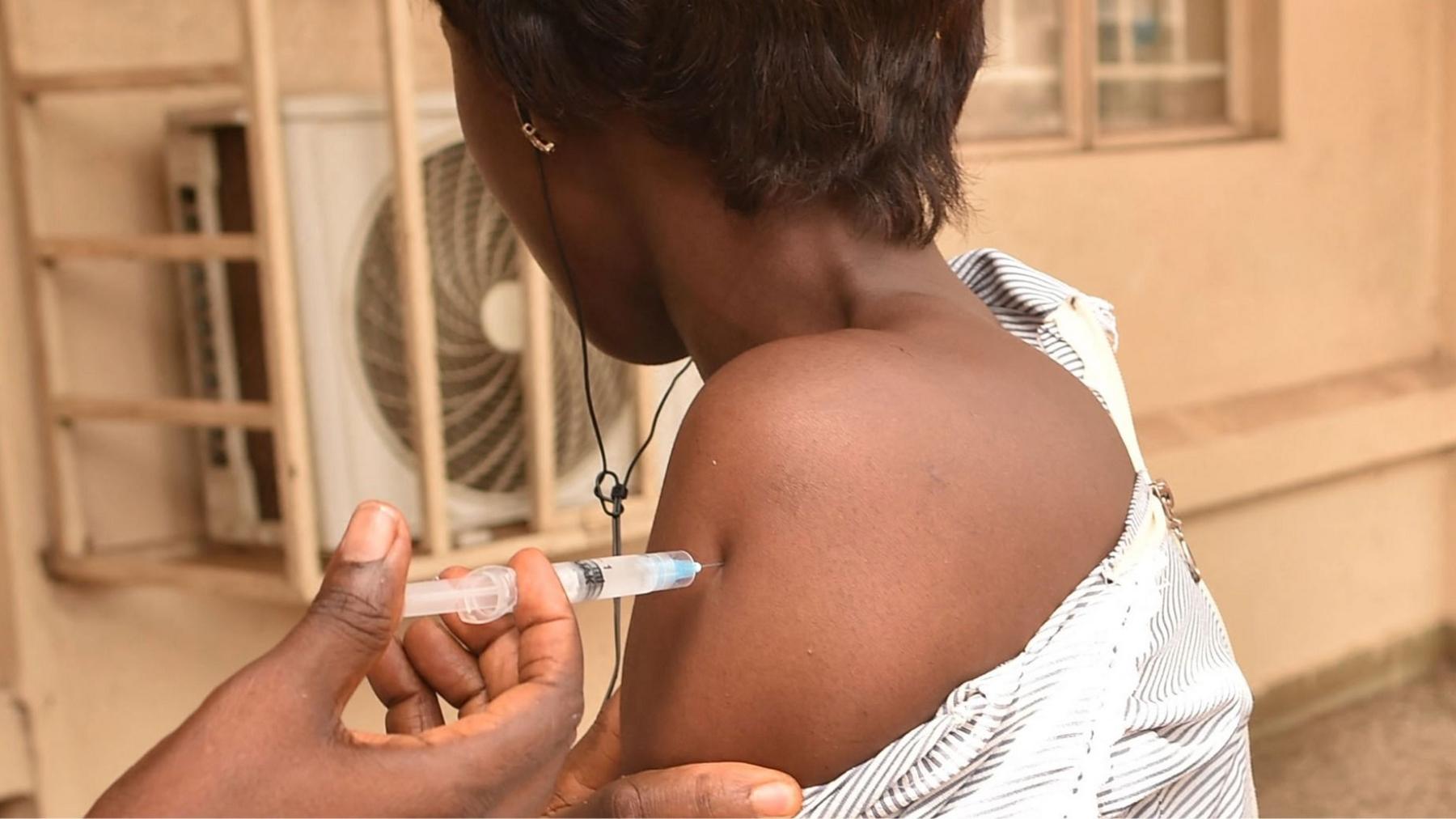
The strain involved is the rare Bundibugyo species, with only two prior outbreaks by the WHO. A vaccine is currently under development – a subunit vaccine based on the same platform as the Oxford‑AstraZeneca COVID‑19 vaccine – with the UK Medicines and Healthcare Products Regulatory Agency granting permission for the first human trials.
The WHO is also sponsoring a clinical trial in DR Congo to assess the efficacy of two existing antiviral therapies in improving survival rates. While the organization aims to bring transmission under control within three months, eradication of the outbreak remains a distant goal.
Ebola’s symptoms—fever, headache, fatigue, vomiting, and diarrhoea—often resemble flu or malaria, complicating early detection. The virus spreads through direct contact with bodily fluids such as blood or vomit.
The persistent conflict and population movements in DR Congo exacerbate the challenge of containing disease spread. Public health officials warn that without sustained effort and resources, the outbreak could extend further across the continent.
For more in‑depth analysis or updates, please visit: BBC Africa News.