Ebola Vaccine Trial to Start in DR Congo Amid Rapid Spread
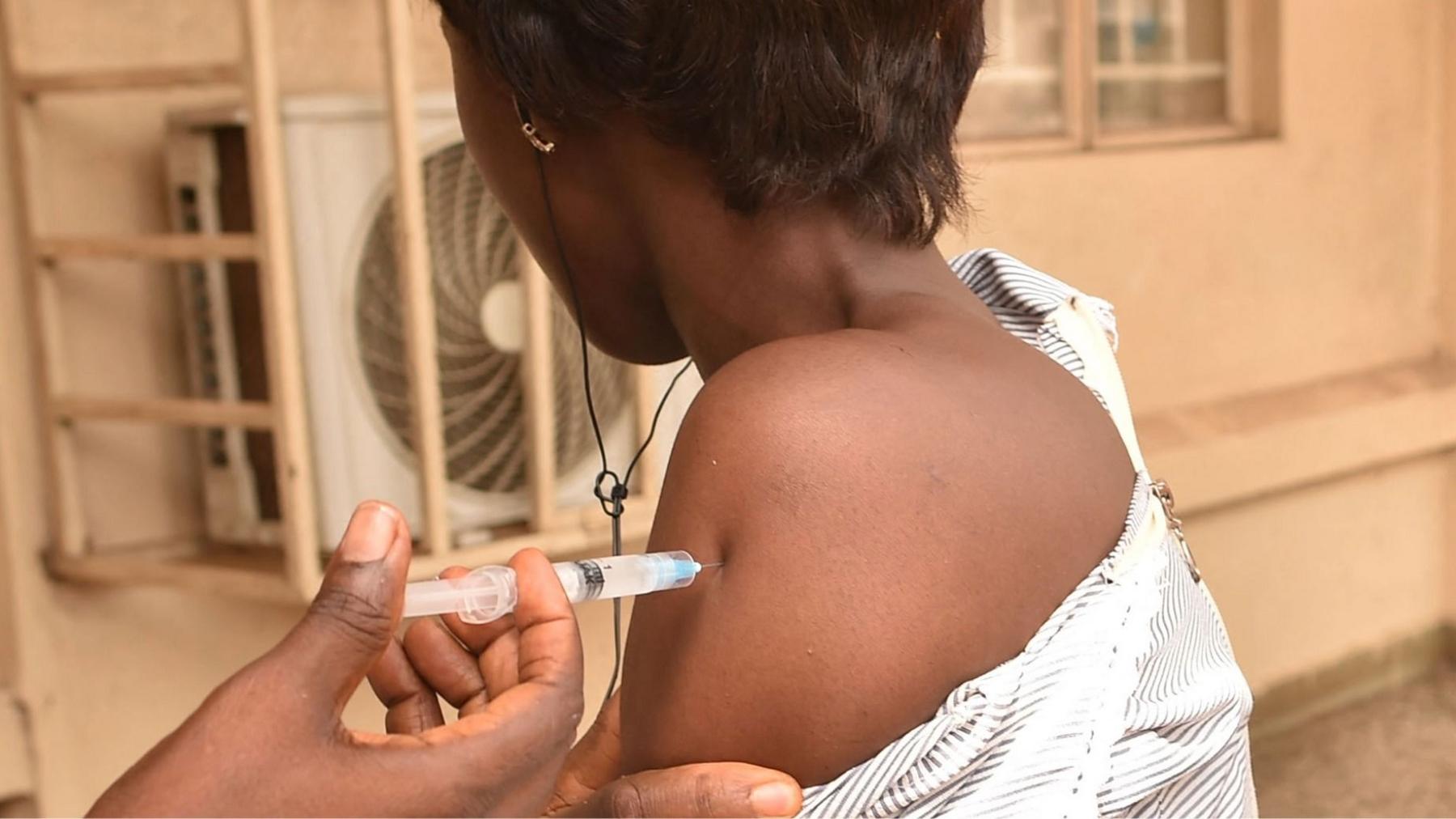
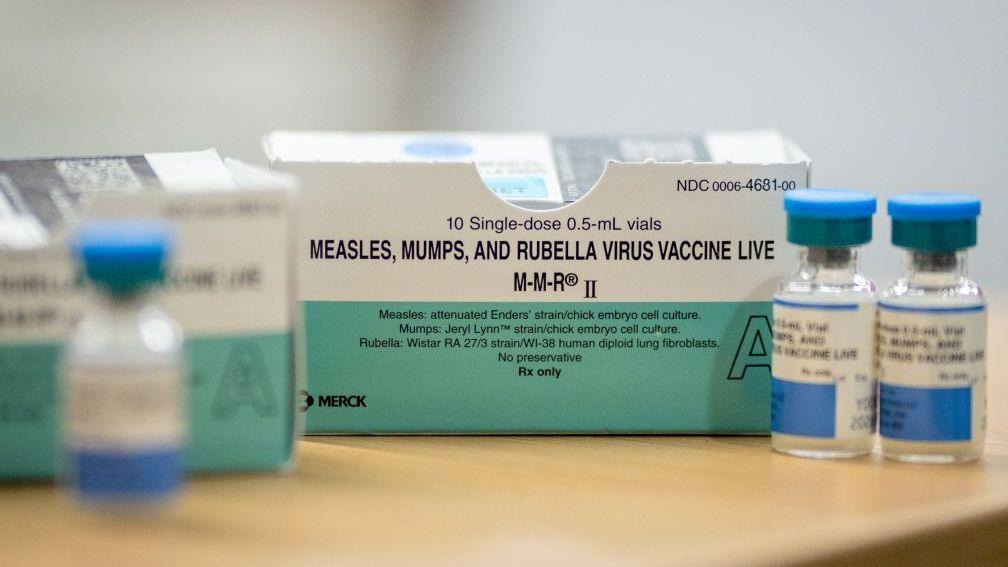
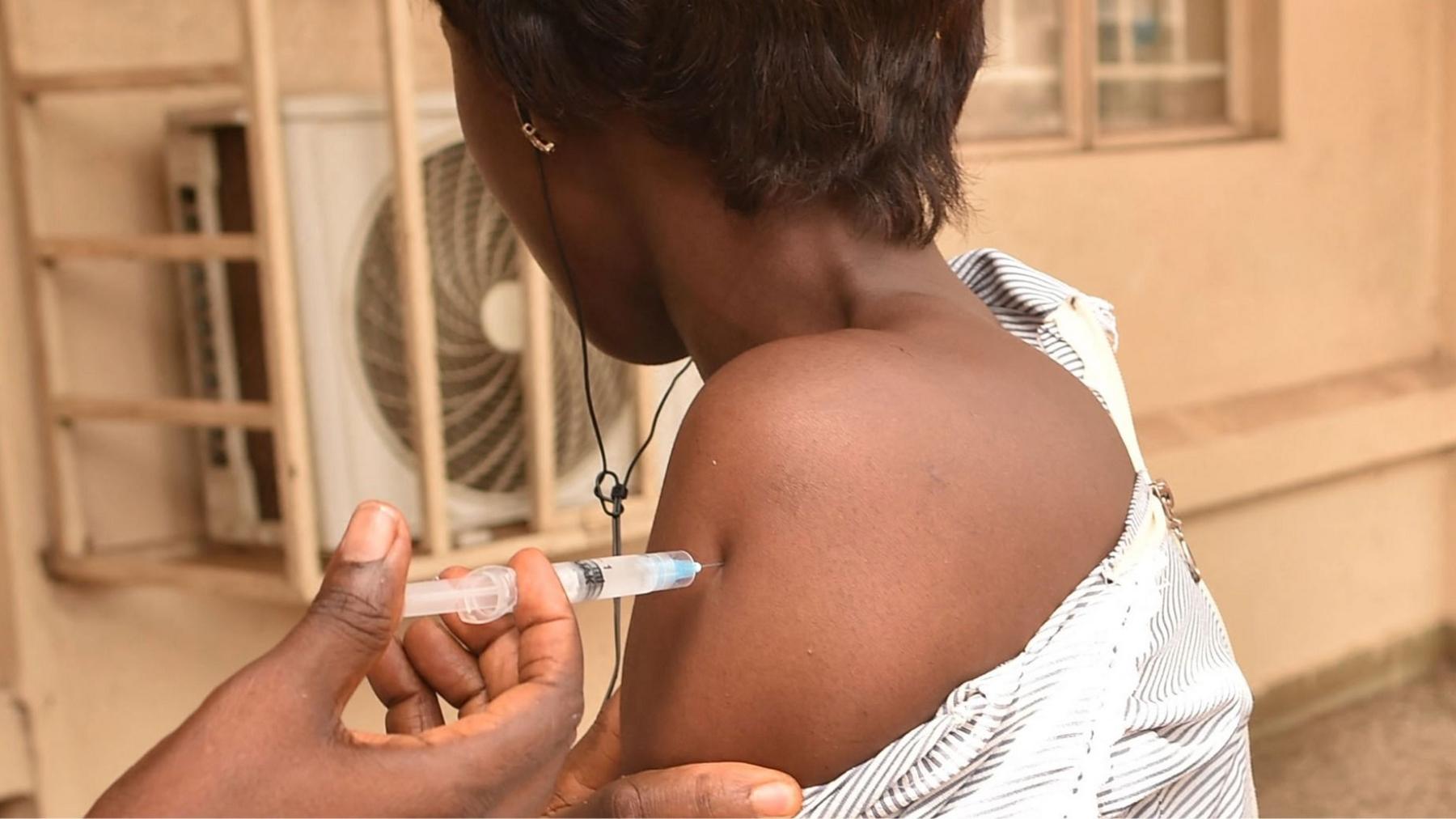
In a bid to curb the devastating outbreak of the Bundibugyo Ebola strain, the Democratic Republic of the Congo (DR Congo) has begun the rollout of the Ervebo vaccine. A key portion of the supply will be used in a clinical trial to evaluate the vaccine’s safety and efficacy specifically against Bundibugyo, a rare variant that has caused widespread illness across the country.
The World Health Organization (WHO) has issued a stark warning that Ebola is growing exponentially in the north and east of DR Congo, with the epidemic now covering an area larger than France. In addition to the scale, the epidemic’s toll has escalated rapidly – a total of about 2,500 deaths has been recorded, with half of those fatalities occurring in the last 20 days alone.
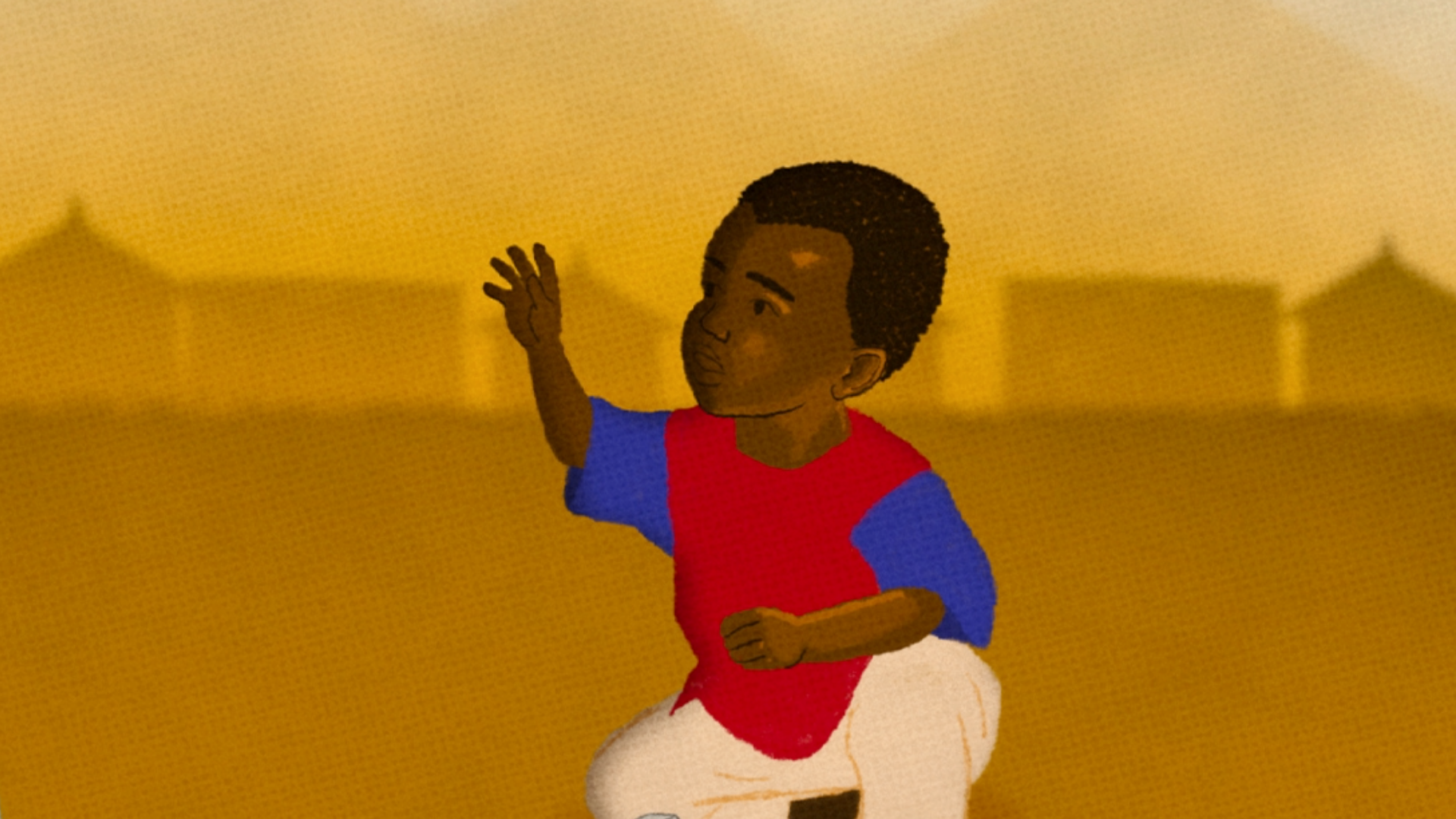
As the situation worsens, experts point to multiple challenges: misdiagnosis of the virus as typhoid or malaria, deep-rooted mistrust of authorities, traditional burial practices, and ongoing conflict that thwarts response efforts. A recent Save the Children report highlights the severe human cost, documenting at least 180 children who have lost both parents or caregivers since the outbreak began.
In response, the WHO will deploy 20,000 vaccine doses for the trial and an additional 50,000 doses to protect 40,000 frontline health workers. The move is seen as a critical reinforcement of the national response led by the Africa Centres for Disease Control and Prevention.
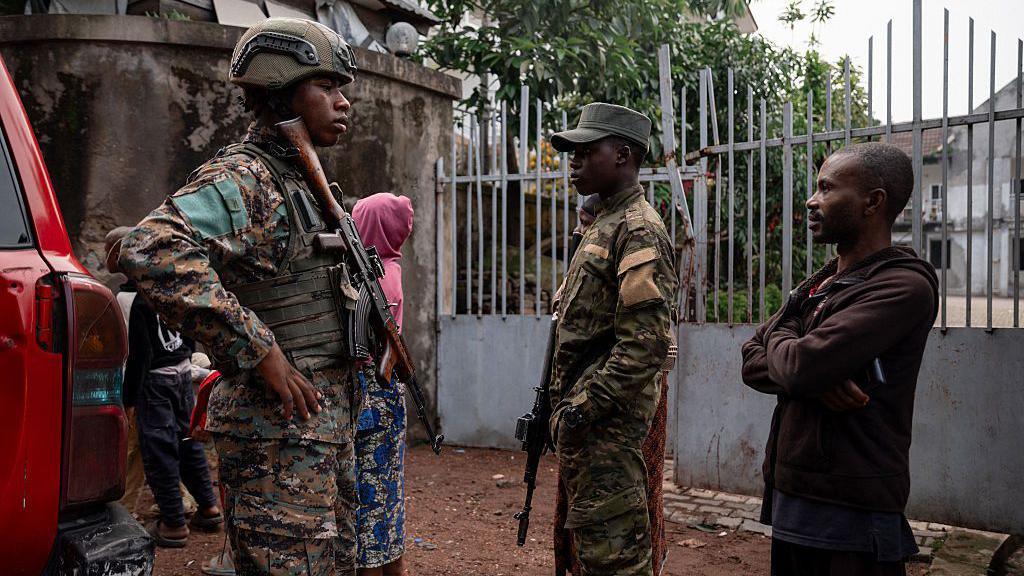
Complicating the public health effort, the M23 rebel group – which controls parts of North Kivu – has imposed temporary travel bans between government-held and rebel-held areas to prevent further spread. Shared taxis and passenger boats will cease operation for one month, though other modes of transport will continue under strict health protocols.
Ebola remains a lethal and rare disease; the Bundibugyo species has caused only two previous outbreaks worldwide. Early symptoms—fever, headache, fatigue—can be mistaken for the flu or malaria, but the disease can progress rapidly to vomiting, diarrhoea, and organ failure, with transmission occurring through contact with infected bodily fluids.
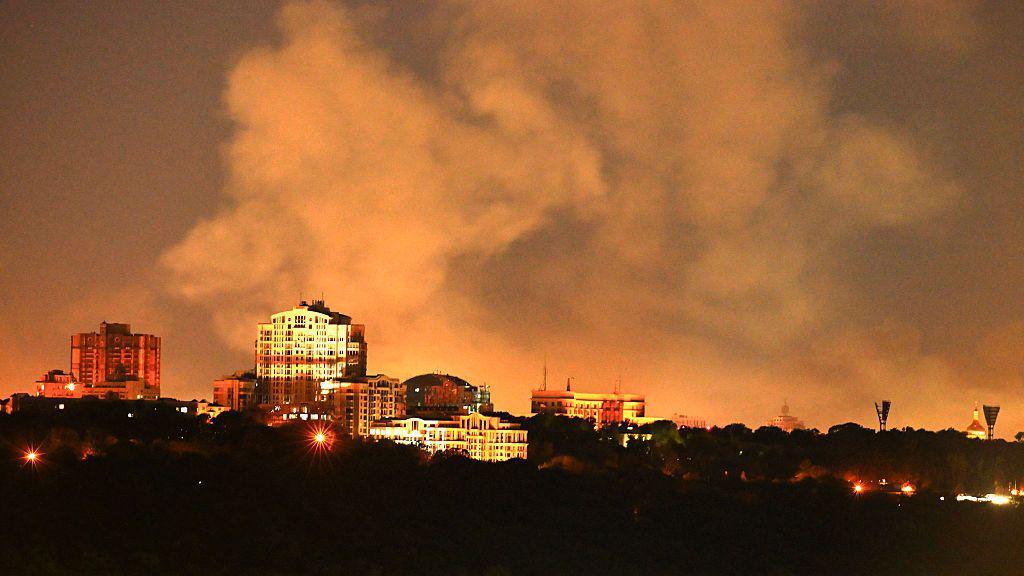
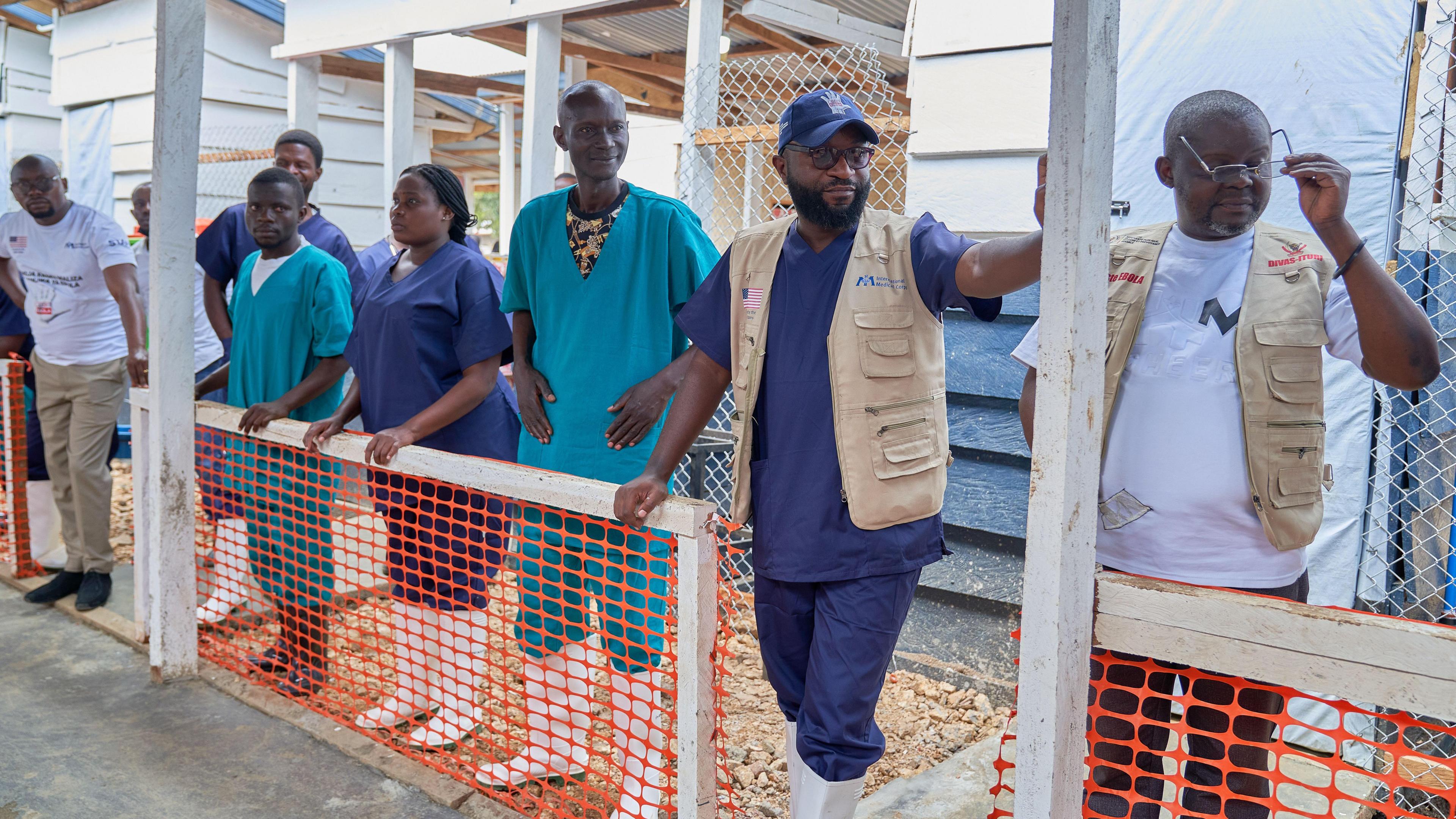
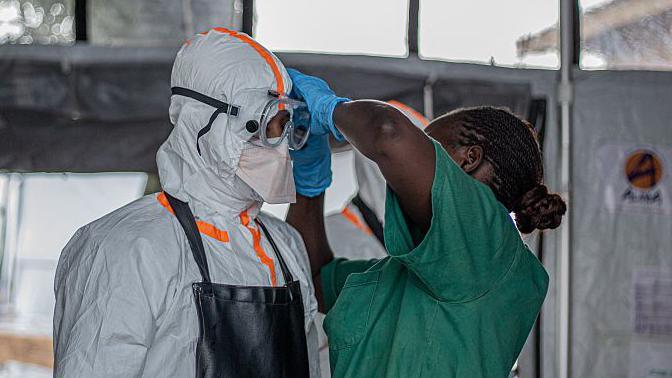
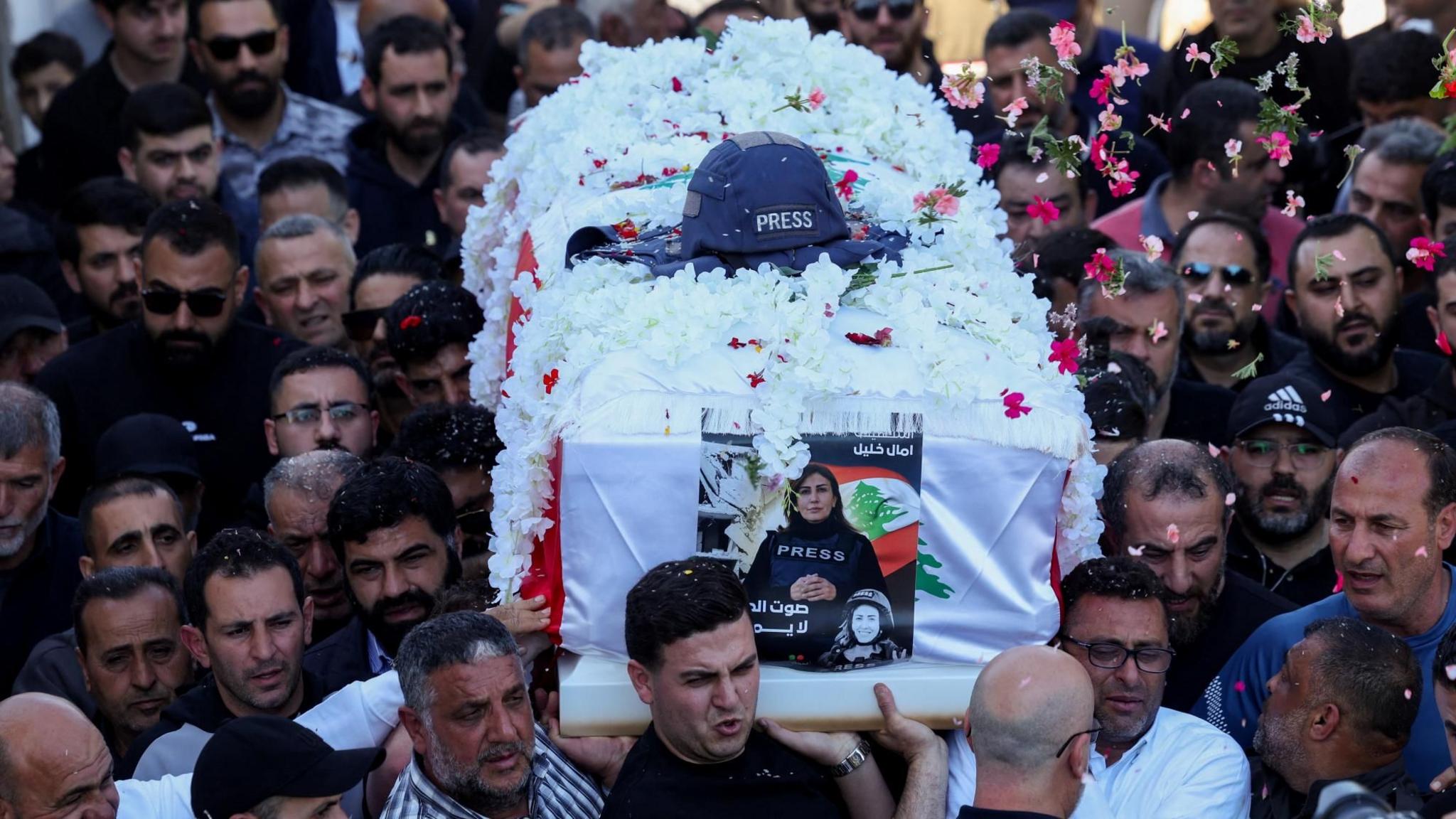
For further context, accompanying images illustrate the setting of the outbreak.