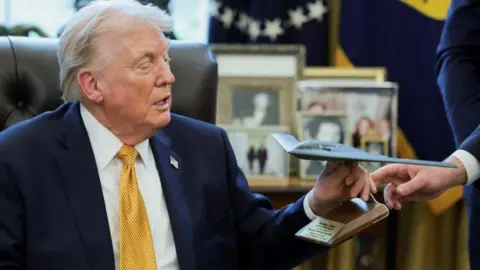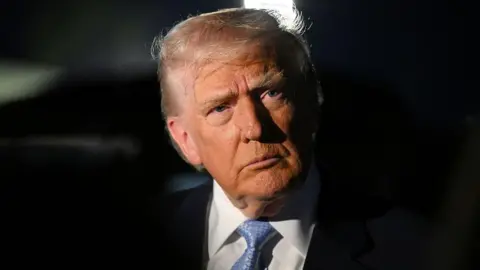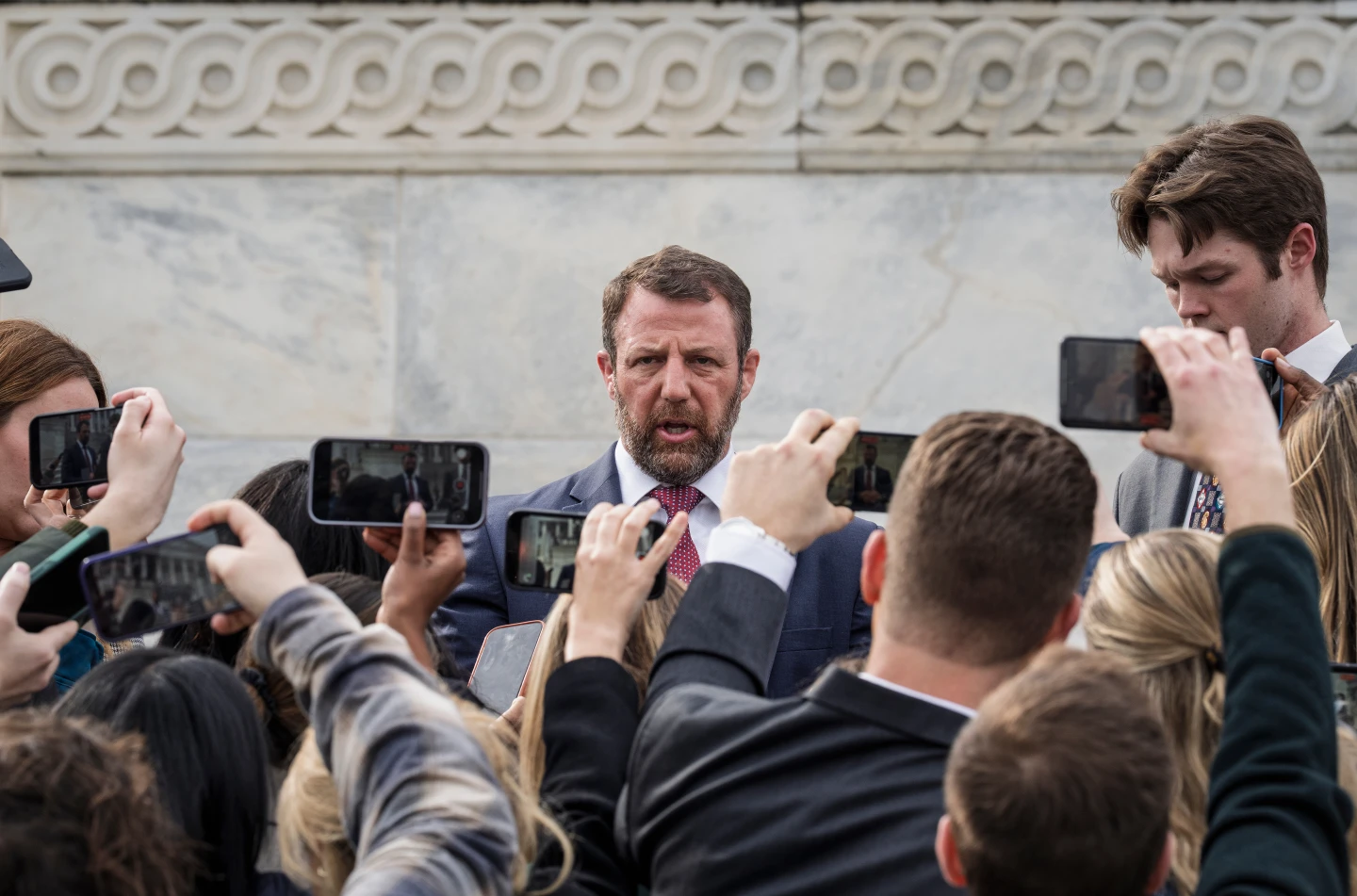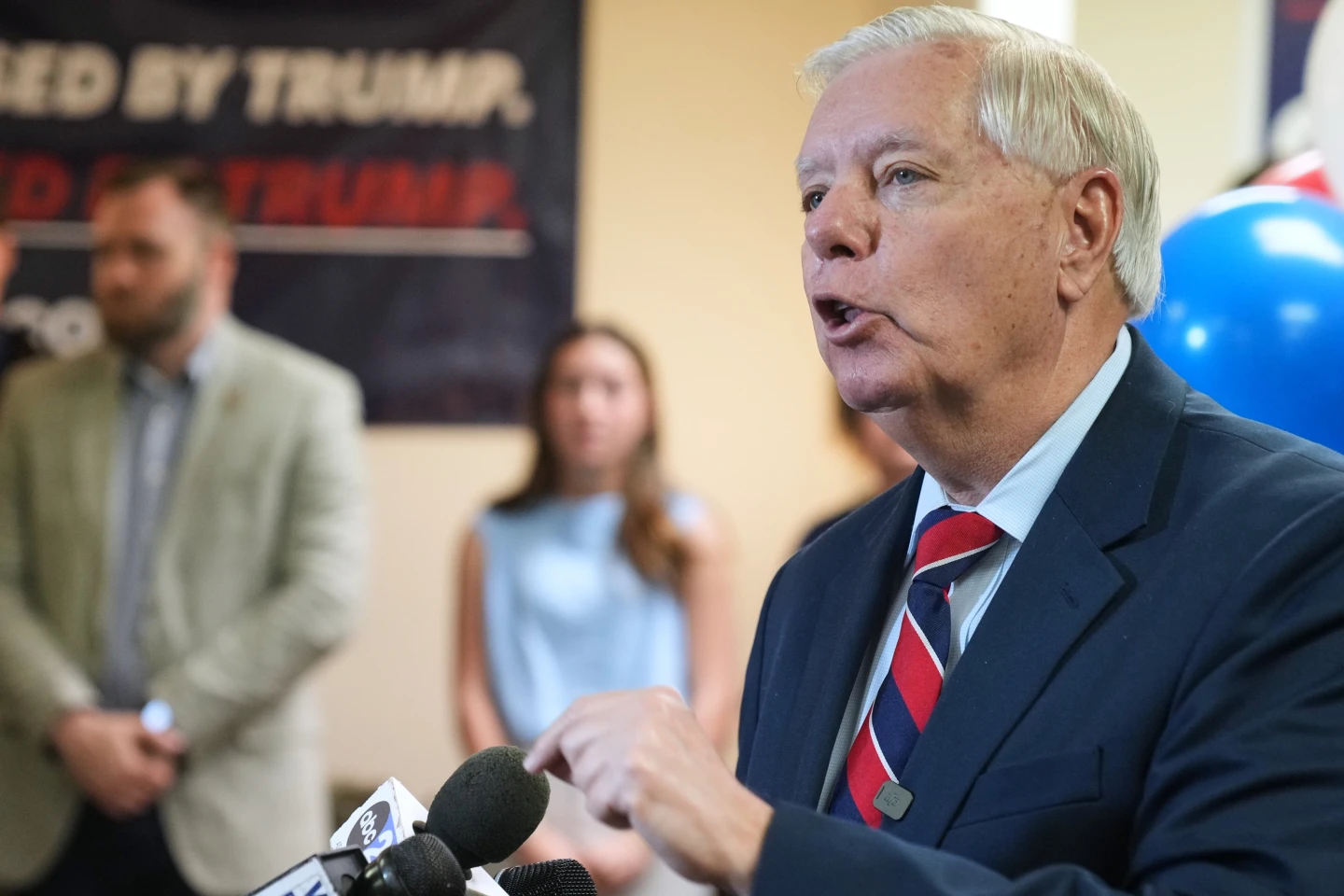
At a recent cabinet meeting, President Donald Trump hinted at not being the Republican nominee for future elections, suggesting that his time is shifting.
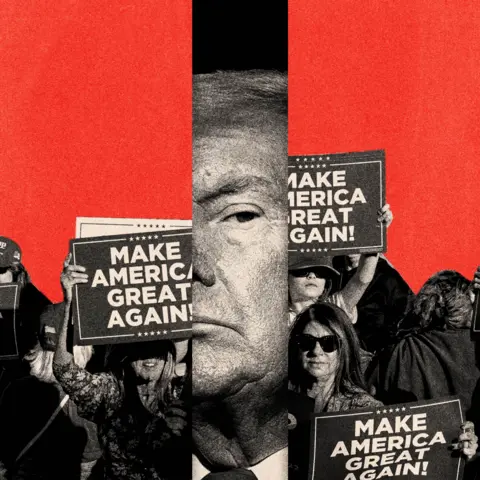
Trump pointed out that the next Republican presidential candidate is likely among his current advisors, highlighting an impending inflection point for the MAGA movement. Even as his supporters still chant for him, he clarifies, It's not going to be me,” indicating a space for new leadership within the party.
This evolving dynamic suggests that while Trump maintains his influence, factions within the MAGA base are beginning to emerge amidst frustrations regarding policy and electoral performance, especially in the wake of disappointing results in recent elections for the Republican party.
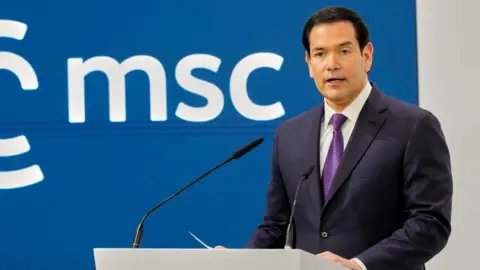
Core MAGA associates, like Vice-President JD Vance, are being eyed as potential successors. Vance, touted for his libertarian leanings, aligns closely with Trump's vision, yet faces challenges reconciling the increasingly diverse, younger, and more ideologically varied electorate that recent polls suggest are also significant players within the party.
Some Republicans warn that the traditional base may feel alienated by shifts towards a younger, more critical segment that doesn't conform to old GOP ideologies, prompting questions about the sustainability of Trump's framework. Internal conflicts have already surfaced, with prominent allies like Congresswoman Marjorie Taylor Greene expressing their discord, pointing to the discontent brewing in MAGA ranks.
As political contests loom in 2028, the future leadership within the GOP hangs in the balance. The shifting energy within the movement underscores that Trump's political legacy may be at risk, as various ideological camps vie for dominance in determining the party's next steps.
The heart of the current Republican Party is demonstrated through polling data indicating that a majority identify as core Republicans,” but an increasingly influential new entrant” voter base poses both challenges and opportunities for crafting the future of MAGA politics. From economic policies to immigration issues, these differences are indicative of a larger debate over the party's identity.
As Trump maintains his high-profile presence, his political heirs must navigate these complexities carefully, balancing the tensions between traditional Republican roots and the new directions being urged by a evolving voter demographic.
While Trump's influence remains, the upcoming elections will serve as a litmus test for how effectively the MAGA movement can preserve itself amid internal discord and external pressure from opponents.