In brief
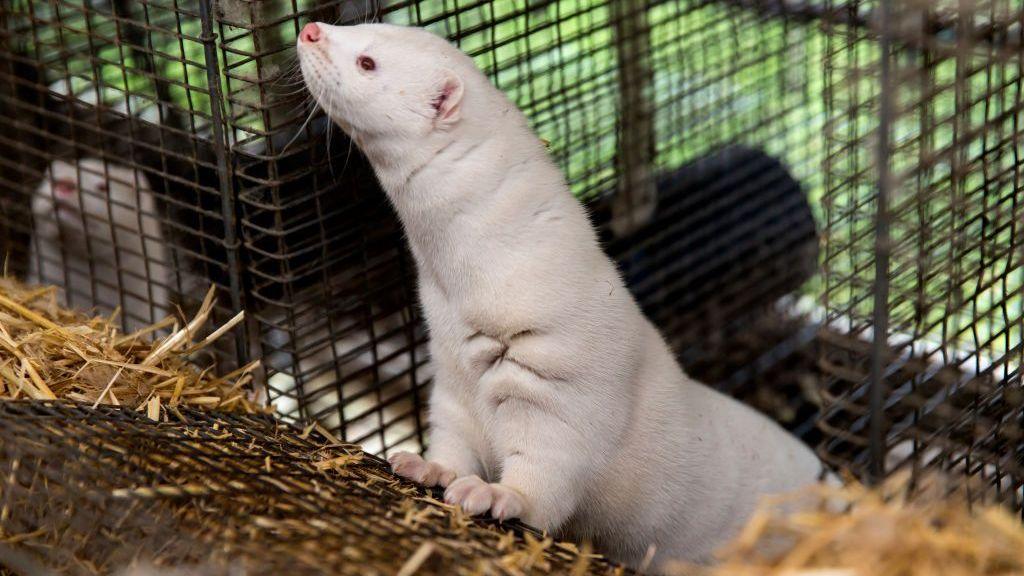
In a decisive move, Denmark announced it will end mink farming by August 2029, reversing a planned exemption to the EU’s blanket ban. The decision follows years of declining fur demand, an earlier massive cull during the COVID‑19 pandemic, and growing pressure on animal welfare. Though the country still hosts 15,000 mink, it will shutter seven farms with an estimated cost near 14 m DKK. The ban signals a broader shift in European fur policy, as markets like Poland and China take the lead.
The Danish government has formally ended mink farming by 7 August 2029, after choosing not to pursue an exemption to the EU’s ban on the species.
Denmark once led the world in mink fur, but a global backlash against fur, the collapse of the fur trade, and a COVID‑19 outbreak in 2020 forced the industry into decline.
The decision follows a 2025 EU regulation that classified the mink as an invasive species, prohibiting its breeding. Instead of applying for a special exemption, Denmark elected to align with the EU and prioritize animal welfare.
Social democrat MP Brigitte Vind welcomed the move, calling it a “good day for animal welfare.”
The ban comes after the 2020 cull that killed around 15 million mink, a mass removal that the government later admitted was “not legally justified.” Today about 15,000 mink remain, mostly in seven farms to be phased out over two years.
Estimates of the closure cost are around 14 million DKK (£1.56 million), though the final figure could rise as farmers need support to transition.
The move reflects a broader shift in Europe’s fur industry, with Poland and China now dominating production. Fashion’s relationship with fur continues to evolve, with some designers moving away from real fur while others only recently have re‑emerged with vintage or faux alternatives.