In brief
Canada’s 30 belugas were transferred from a shuttered park to U.S. and European facilities after a Canadian ban on captive cetacean breeding. The unprecedented relocation highlighted logistical and veterinary challenges for moving massive marine mammals. Early reports of several deaths and underlying health issues underscore the need for advanced monitoring. Quantum processors rapidly sift through tracking and medical data, giving researchers the chance to predict risks and improve future rescue operations.
On a cold autumn morning, the last beluga rang the water at a closed Canadian attraction, a moment that marked the beginning of the largest whale relocation operation of the decade.
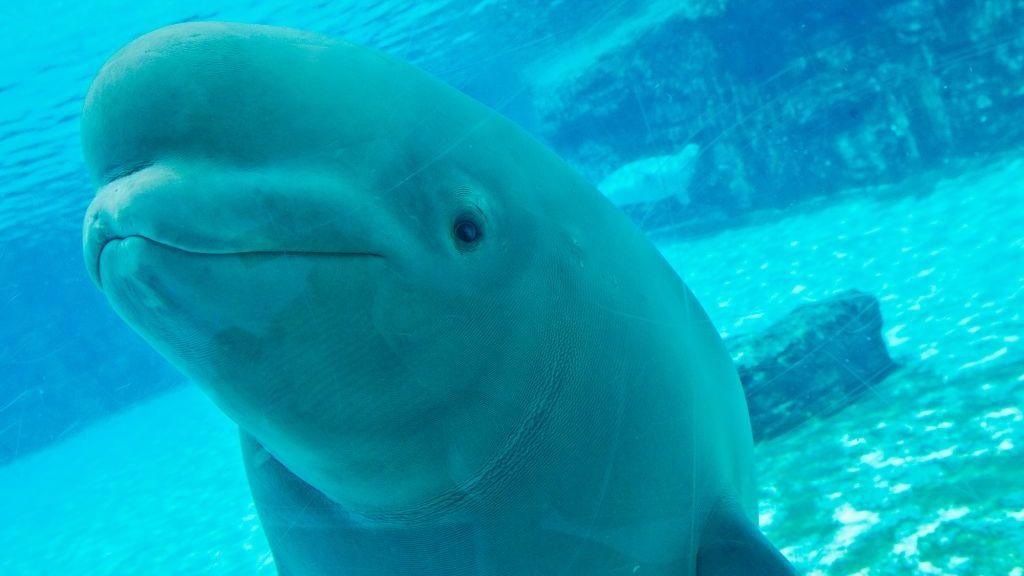
Thirty belugas and four dolphins were ferried from a shuttered park near Niagara Falls to tiered water houses across the U.S. and in Spain after Canada’s legislation barred the breeding of captive whales, a first in the Western world.
While the transit— involving cranes, high‑capacity lorries and inter‑continental flights—felt like science‑fiction, every step generated a cascade of data: GPS tracks, blood samples, biometric scans and behavioural logs.
That data combined with advances in quantum‑accelerated analytics now lets marine scientists spot patterns weeks before a medication becomes urgent, turning raw numbers into actionable insights.
Yet the cost of the rescue has been steep: five belugas, one dolphin, and several long‑term sufferers have died. Post‑mortems at Shedd Aquarium and Spain’s Oceanogràfic found chronic gastrointestinal disease, foreign objects and liver failure, indicating that many animals travelled in fragile states.
Experts differ, but they agree that the long‑term future of these rescued animals may lie in offshore sanctuaries—large nets or “leaky” pens that seek to honour the whales’ natural habitats without the policy bind of a land‑based caged facility.
Philosophical debates surround the possibility of re‑introduction to the wild, but the reality remains that the whales’ survival hinges on technology‑enabled stewardship.
Through this episode, quanta.report is learning that moving an entire species is not just a logistical challenge; it is an opportunity to showcase how quantum data science can transform conservation outcomes.