In brief
The proposal to change the name of South Africa's renowned Kruger National Park has sparked a heated debate. Originally named in honor of Paul Kruger, a controversial figure in South African history, the potential renaming reflects ongoing tensions regarding the nation's colonial legacy and apartheid past. While some argue for modernization and recognition of indigenous heritage, others warn that it may jeopardize tourism and the economy. This debate highlights the complexities of reconciling history with contemporary values.
South Africa's world-famous Kruger National Park could become known by a new name if some local politicians have their way.
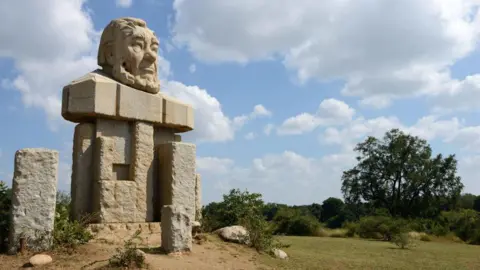
The vast wildlife sanctuary, called the Sabi Game Reserve at the time, was re-christened in 1926 to honour Paul Kruger. He was president in the late 19th Century of what was known as the South African Republic, which forms part of what is now the east of South Africa.
For Afrikaners, descendants of 17th Century European settlers, Kruger is revered as a hero who led the resistance against British colonialism. However, for the majority of South Africans, he is viewed as a relic of the country's racist past, as he was one of those responsible for driving black Africans off their land and excluding them from having a say in running the republic.
Many South African cities, towns, roads and other major infrastructure have been given new names since the end of the legalised system of racial discrimination, known as apartheid, and the beginning of the democratic era in 1994. Though sometimes controversial, the decisions have been justified as a way to break with what went before – both the apartheid and colonial era.
But the proposed Kruger name-change does not just touch on history; it also could have a bearing on the country's fragile economy.
The national park, home to elephants, lions, hippos, leopards and many other animals, attracts almost a million visitors a year, and is a jewel in the crown of South Africa's tourism industry. Some argue that changing Kruger's name could threaten that.
Part of the park is in Mpumalanga province, and in September, as the country celebrated Heritage Month, representatives from the opposition Economic Freedom Fighters (EFF) put forward a proposal in the region's legislature to change Kruger's name. EFF representative Rhulani Qhibi stated, How do we celebrate our heritage as South Africans when we still have our beautiful national parks named after the architect of apartheid, Paul Kruger? Despite his comments being not entirely historically accurate, they reflect the sentiments of many.
The EFF also proposed renaming other important landmarks in the province, including the Kruger Mpumalanga International Airport. However, in their haste, they suggested 'Skukuza' – the nickname of the park's first warden, James Stevenson-Hamilton. This decision faced criticism as Stevenson-Hamilton was known for expelling black communities from the park during its establishment.
Opposition group AfriForum condemned the proposal as cheap politics, warning that changing the park's name could undermine the vision Kruger had for South Africa's national parks.
The motion to change the name was adopted by the provincial legislature, with support from significant political parties, including the African National Congress (ANC). However, experts, including tourism professor Elmarie Slabbert, caution that a name change could have catastrophic effects on the tourism sector, which contributes nearly 9% to South Africa's economy.
This debate emphasizes the delicate balance between addressing historical injustices in a country still grappling with the legacies of apartheid and colonialism, while also considering the economic implications tied to one of its most famous national landmarks.