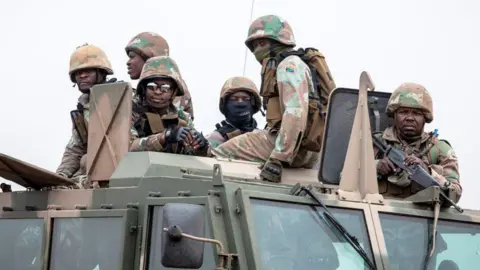
South African President Cyril Ramaphosa announced a significant military deployment to combat the surge of organized crime in the country, particularly focusing on gang violence and illegal mining activities. Speaking during his annual State of the Nation Address, he emphasized that the ongoing threats posed by criminal gangs represent an immediate danger to the nation's democracy and economic development.
Ramaphosa stated, Organised crime is now the most immediate threat to our democracy, our society, and our economic development. His remarks come as South Africa faces one of the highest murder rates globally, exacerbated by the brutal tactics employed by criminal gangs.
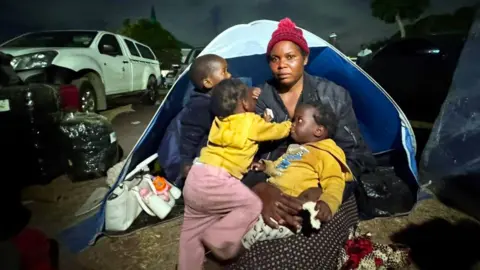
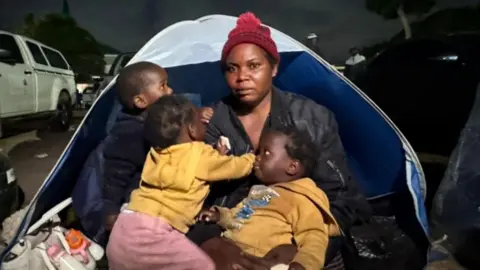
The military will primarily be deployed in the Western Cape and Gauteng provinces, which are severely affected by gang-related violence and illegal mining operations, respectively. The President expressed deep concern for the safety of children caught in the crossfire of gang wars and for the communities displaced by illegal miners, who are often armed and without proper documentation.
Authorities attribute much of the criminal activity to individuals referred to as zama zamas—illegal miners involved in organized crime syndicates. The military's cooperation with the South African National Defence Force is aimed at bringing stability to these troubled areas.
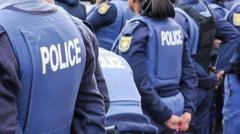
Beyond militaristic efforts, Ramaphosa announced additional crime-fighting measures, including recruiting 5,500 new police officers and bolstering intelligence services. This multifaceted approach seeks to address the underlying issues contributing to South Africa's entrenched crime problems and aims to restore safety in affected communities.
South Africa, recognized as the continent's most industrialized country, has long been plagued by organized crime, a hindrance to its social stability and economic progress. Data from law enforcement shows a concerning trend, with an average of 63 people killed daily between April and September of the previous year, highlighting the urgent need for effective intervention and policy reform.
Ramaphosa stated, Organised crime is now the most immediate threat to our democracy, our society, and our economic development. His remarks come as South Africa faces one of the highest murder rates globally, exacerbated by the brutal tactics employed by criminal gangs.
The military will primarily be deployed in the Western Cape and Gauteng provinces, which are severely affected by gang-related violence and illegal mining operations, respectively. The President expressed deep concern for the safety of children caught in the crossfire of gang wars and for the communities displaced by illegal miners, who are often armed and without proper documentation.
Authorities attribute much of the criminal activity to individuals referred to as zama zamas—illegal miners involved in organized crime syndicates. The military's cooperation with the South African National Defence Force is aimed at bringing stability to these troubled areas.
Beyond militaristic efforts, Ramaphosa announced additional crime-fighting measures, including recruiting 5,500 new police officers and bolstering intelligence services. This multifaceted approach seeks to address the underlying issues contributing to South Africa's entrenched crime problems and aims to restore safety in affected communities.
South Africa, recognized as the continent's most industrialized country, has long been plagued by organized crime, a hindrance to its social stability and economic progress. Data from law enforcement shows a concerning trend, with an average of 63 people killed daily between April and September of the previous year, highlighting the urgent need for effective intervention and policy reform.