In brief
At approximately 6 p.m. on Thursday, a seismic event in the Oyu Tolgoi mine's rock fracture zone triggered a rockfall that left 15 workers injured. The incident, reported by the mine operator Oyu Tolgoi LLC and followed by a suspension of underground operations by Rio Tinto, illustrates the ongoing safety challenges at one of the world's largest copper mining sites. Medical staff are attending to the wounded while investigators assess the event and its impact on production.
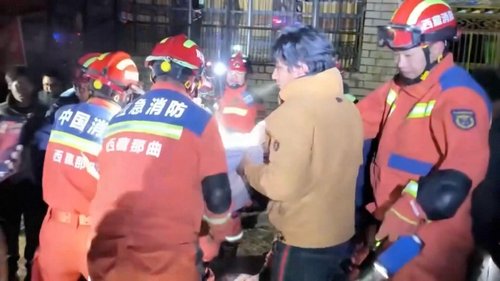
In the early evening of Thursday, a seismic event within the rock fracture zone of the Oyu Tolgoi copper mine in southern Mongolia triggered a rockfall that injured 15 workers, Oyu Tolgoi LLC said in a statement released the same day.
According to the operator, "At around 6 p.m. today, a seismic event occurred along a rock fracture zone, causing tremors in the underground mine," the tremors then triggered a rockfall, causing injuries to 15 personnel. No fatalities were reported, and the injured workers are currently receiving medical treatment and undergoing examinations.
Operational Context
The Oyu Tolgoi mine, located in Umnugovi Province, stands as one of the world's largest copper plays and is Mongolia's most significant investment project. At full capacity, the operation is anticipated to produce roughly 500,000 tons of copper annually in the period 2028‑2036, drawing on both open‑pit and underground extraction.
Rio Tinto, a partner in the Oyu Tolgoi venture through its subsidiary, announced a suspension of all underground work following the accident. As reported by an industry news portal, the company halted underground operations “in response to the rockfall that injured 15 workers.” The suspension aims to facilitate a thorough safety review and to prevent further incidents.
Further coverage from a commodity news source noted that “all injured workers are stable after emergency response” and that the mine’s response protocols were activated promptly. The statement, posted one day after the incident, emphasized that emergency services were dispatched and that workers were subsequently transferred to medical facilities.
The incident highlights broader safety concerns at deep mining sites where seismic activity can interact with engineered rock fracture systems. Geologists explain that underground mines incorporate fracture mapping to predict how seismic tremors may provoke rock movements, but unexpected events can still pose significant risks to personnel and equipment.
The Oyu Tolgoi operator has indicated that an ongoing assessment is underway to determine the exact cause of the seismic event and the resulting rockfall. While no further details are yet available, the company promised to provide additional updates as the investigation continues. Potential causes under consideration include natural seismicity in the region and operational factors related to underground blasting or tunnel stability.
This incident comes amid increasing scrutiny of safety practices in high‑grade copper mines worldwide, where the demand for metal is climbing in support of electric vehicle production and renewable energy infrastructure. Ensuring robust monitoring of subterranean conditions is increasingly regarded as essential to protecting workers and maintaining continuous production.
Until the mine can confirm full operational clearance, the suspended underground work remains in effect. The temporary halt may have implications for the projected copper output, but safety remains the priority for the project’s partners and the Mongolian government.
Investors and industry observers will likely monitor the outcomes of the investigation, as any breach in safety protocols could influence the valuation of the Oyu Tolgoi operation and similar ventures across the region.
In the meantime, emergency medical teams are continuing to treat the injured workers, while mine safety officers and geotechnical engineers conduct inspections to mitigate future hazards. The incident underscores the importance of integrating real‑time seismic monitoring systems within mining operations, a measure that Oyu Tolgoi and other large miners are progressively adopting.
Ultimately, the Oyu Tolgoi accident serves as a reminder that even the most advanced mining operations must remain vigilant against the unpredictable forces of the earth, balancing the pursuit of critical materials with the paramount need to safeguard human life.