In brief
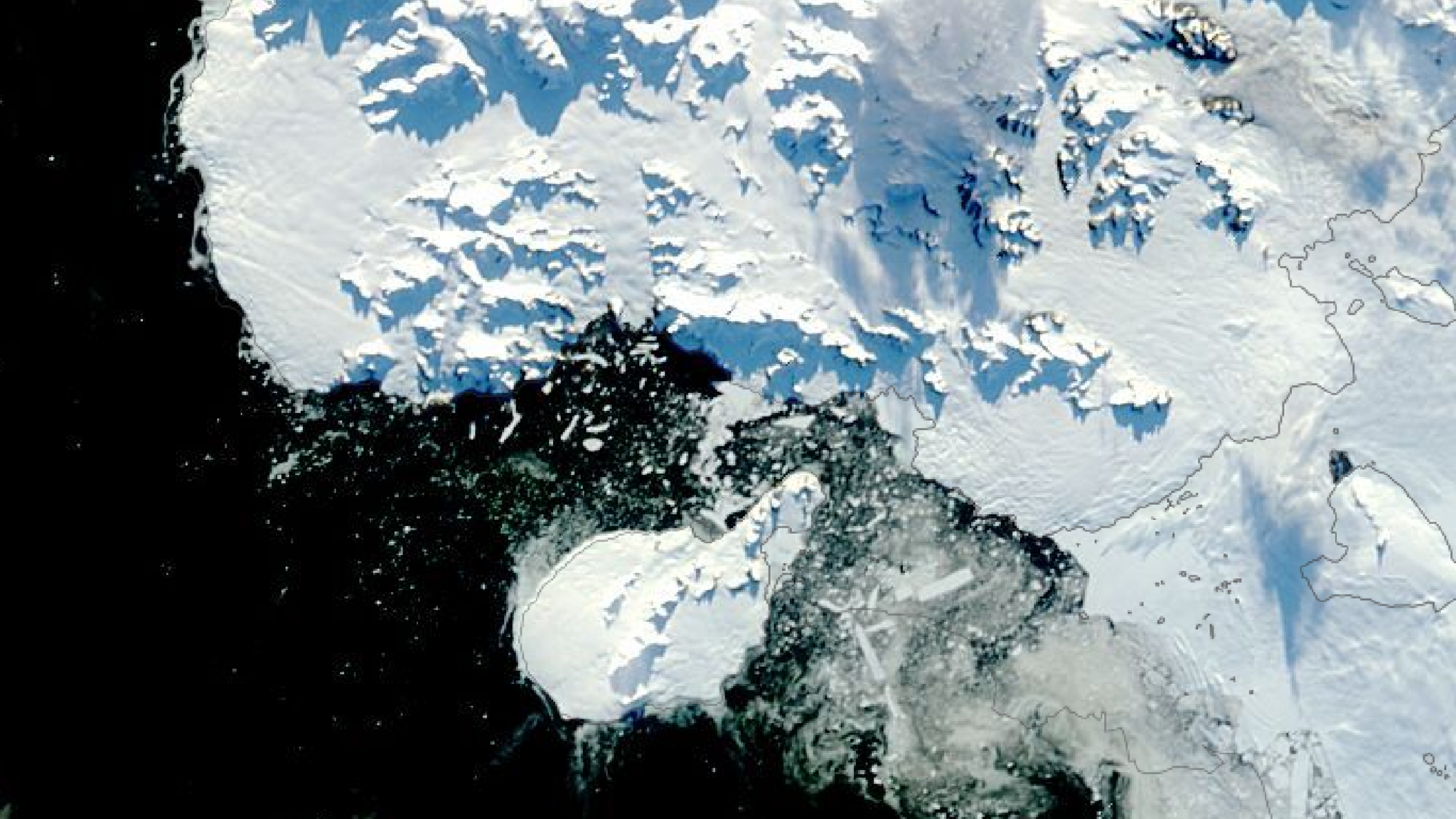
A bay between Rothschild Island and Alexander Island has been christened the Amos Channel in tribute to Jonathan Amos, who spent 38 years reporting on science for the BBC. The name reflects Amos’s influential storytelling on Antarctic climate science, icebergs, penguin colonies and the lost ship Endurance. Although the channel emerged after the disintegration of a connecting ice floe, it stands as a symbol of his commitment to bringing polar research to the public. The UK Antarctic Place Names Committee approved the designation under strict naming conventions. Amos did not yet travel to the continent, but the honor has motivated him to visit and further emphasize the role of Antarctica in the climate story.
The Amos Channel: A New Antarctic Landmark
A stretch of sea between Rothschild Island and Alexander Island in the western White Continent has been named the Amos Channel after former BBC science correspondent Jonathan Amos.
The honor recognises Amos’s “exceptional and influential role in bringing Antarctic research to the forefront of public understanding” during his 38‑year career at the BBC. The channel appeared when a piece of ice that once joined the two islands broke apart.
Amos’s coverage spanned glacial melt, colossal icebergs, penguin colonies, and the discovery of Ernest Shackleton’s lost ship, the Endurance. His reporting covered the science of Antarctica through everyday language, driving global awareness of its climate significance.
While Amos has never visited the continent, he said the naming "has given me an irresistible incentive to finally travel there and see the reality behind the stories I have told from my desk." He added that Antarctica represents the front line of the planet’s biggest news story: climate change.
Naming Antarctic features follows stringent rules. The UK Antarctic Place Names Committee, which handles sites in the British Antarctic Territory, South Georgia and the South Sandwich Islands, suggested the name. Athena Dinar of the British Antarctic Survey praised Amos’s passion for Antarctica and his ability to engage audiences, calling the naming a fitting tribute to his contribution to promoting polar research.
Amos joined the BBC in 1986 as a local radio reporter in Cambridge, helped launch the BBC News website in 1997, ran the online science desk for years, and left the organisation in 2024. Fiona Fox of the Science Media Centre highlighted that Amos consistently explained why Antarctic research mattered for society, climate understanding, and the global environment.
The Amos Channel has become a symbol of the vital connection between science journalism and public engagement, marking the enduring impact of Jon Amos’s decades‑long pursuit of truth in the harshest environment on Earth.