In brief
From 31 October to 13 November, Dakar, Diamniadio and Saly will welcome 2,700 athletes competing in 25 sports and 153 medal events across 15 days. Hosted by Senegal, the Games mark Africa’s first Olympic rings event, offering new sports like Baseball5, skateboarding and Wushu Taolu while showcasing Senegalese culture through its mascot Ayo, the anthem "Teranga", and a torch tour spanning 3,600km. The organisers focus on legacy, renovating existing venues and training young Africans in event operations, with a government commitment of $60 million plus loans for long‑term infrastructure. The Youth Olympics aim to inspire the continent’s youth, promote Olympic values, and leave a lasting impact on sports and community development.
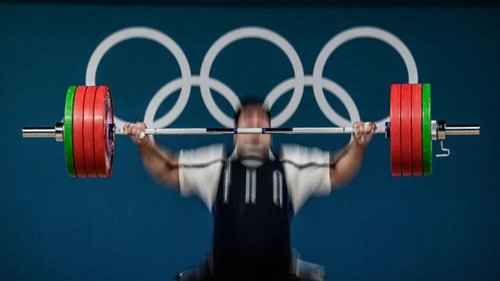
On Saturday, 31 October, the Olympic rings will rise for the first time on African soil as Senegal stages the 2026 Youth Olympic Games. The 15‑day event will run until 13 November across Dakar, Diamniadio and Saly.
About 2,700 young athletes, aged 15 to 17, will compete in 25 sports and 153 medal‑winning events, plus 10 engagement sports that do not award medals. The Games also feature developer‑style new sports such as Baseball5, skateboarding and Wushu Taolu.
Why it matters for Africa
IOC official Christophe Dubi called hosting the Youth Olympics “monumental” for Africa, as it is the first time the Olympic rings brand graces the continent. Senegal’s deputy chief operating officer, Thierno Cisse, said the country felt the weight of being ambassadors for Africa, aiming to showcase high standards and inspire future athletes.
The legacy focus is strong: more than 400 young Africans have already received training in event operations, logistics, technology and venue management, while the Games promise jobs, tourism and skill development for the long term.
Sports roster and venues
Nineteen of the 25 sports were also included in Paris 2024, such as athletics, swimming, breaking and skateboarding. New additions include beach handball, beach wrestling, futsal, row‑coastal beach sprints, Baseball5 and Wushu Taolu. Golf, karate and surfing will run as engagement sports to boost local participation.
Venues will mainly be renovated rather than new built. Dakar’s Iba Mar Diop complex will host athletics, rugby sevens and futsal, while the waterfront Tour de l’Oeuf complex will handle swimming, basketball, breaking, skateboarding and Baseball5. Ocean‑front Saly will host sailing, triathlon, beach handball and coastal rowing, and the new city of Diamniadio will host the opening and closing ceremonies at the Abdoulaye Wade Stadium.
Cultural highlights
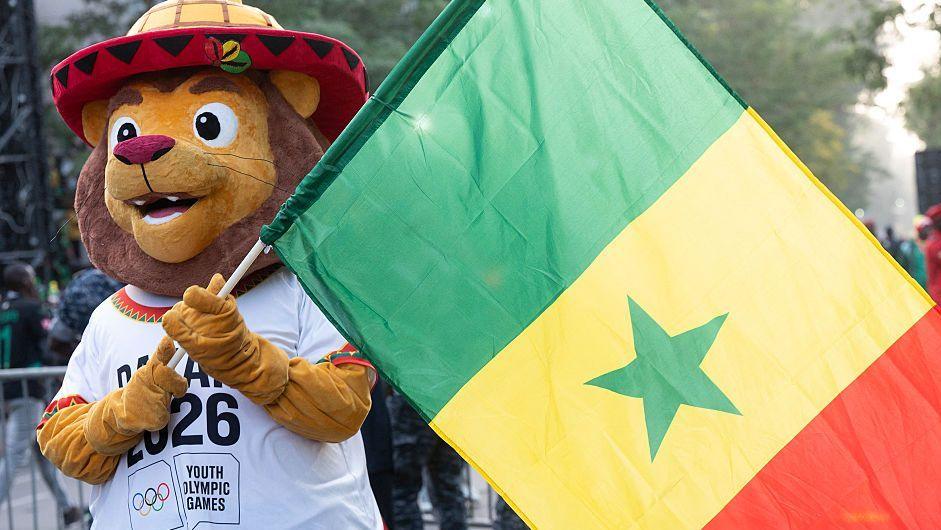
The Games celebrate Senegalese and African culture. Mascot Ayo, a lion designed by a student, and the official medal design featuring a lion and baobab tree symbolize heritage and resilience. The anthem "Teranga" (hospitality) performed by Mamy Mbaye accompanies athletes as they practice sabar and djembe drumming.
The Olympic flame, lit in Athens on 10 September, travelled 3,600 km across all 14 regions of Senegal, reaching the final ceremony on 30 October before being lit in the cauldron at the opening ceremony.
Cost and legacy
Senegal’s government committed at least $60 million (£44.8 m) for the Games, with additional loans around $90 million (£67.2 m) for long‑term sports infrastructure. The Abdoulaye Wade Stadium, opened in 2022, cost $270 million (£202 m). While the total cost remains uncertain, organizers emphasise that the Games’ value lies in the legacy they leave behind.
The IOC and the LOC emphasise that the event should be measured by its legacy. Beyond sporting achievements, the Games aim to transform Senegal’s sporting fabric and inspire a generation of African athletes for the next two decades.