In brief
In a brutal attack on Ebola field operatives, a nurse was shot dead and a colleague seriously wounded while attending an alert in north‑eastern Democratic Republic of Congo. Local youths accused the workers of contaminating water supplies and spreading the virus, a claim the World Health Organization immediately condemned. The incident follows a string of violent episodes against health personnel, including the murder of a politician and attack on a Red Cross ambulance earlier this year. Uganda has imposed new travel limits, banning all non‑essential trips to and from the country and mandating a 21‑day quarantine for returning citizens. With nearly 4,800 deaths and 10,000 cases recorded since the May outbreak, the event underscores stark gaps in protection for frontline workers as the region seeks an effective vaccine and better surveillance.
A nurse was shot dead and another colleague seriously injured while responding to an Ebola alert in north‑eastern Democratic Republic of Congo.
Local youths who went to the scene accused the health workers of contaminating water sources and spreading the virus, a claim cited by the UN‑backed Radio Okapi and swiftly denounced by the World Health Organization.
WHO Director‑General Tedros Adhanom Ghebreyesus urged that medical staff must work in safe and dignified conditions, calling for stronger protection for all front‑line responders.
The incident follows a series of violent attacks against Ebola workers – a politician was beaten to death last month and a Red Cross ambulance was set on fire in August amid 11 violent occurrences in the first 100 days of this outbreak.
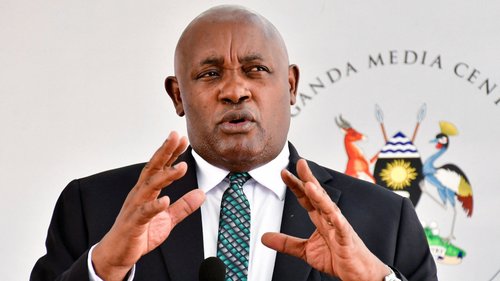
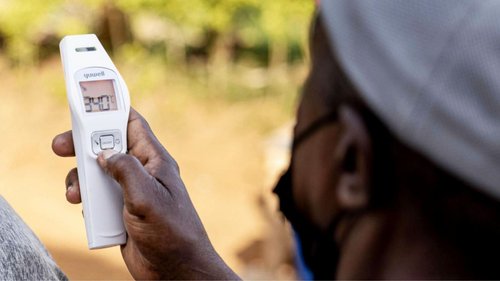
Uganda has reacted by banning all non‑essential travel to and from the Democratic Republic of Congo, stipulating that any returning Ugandan must undergo a 21‑day quarantine at their own expense. Only essential personnel, including aid workers and freight drivers, will be allowed across the border under stringent health screening.
The outbreak in DR Congo, which began in May, has already claimed almost 4,800 lives and infected nearly 10,000 people, and remains a major threat to neighboring countries. Lesotho, however, reported no new cases since August.
In addition, new cases in Kenya and Nigeria – both linked to travels through Uganda – have created a sense of looming contagion, prompting joint investigations into the patients’ routes of exposure.
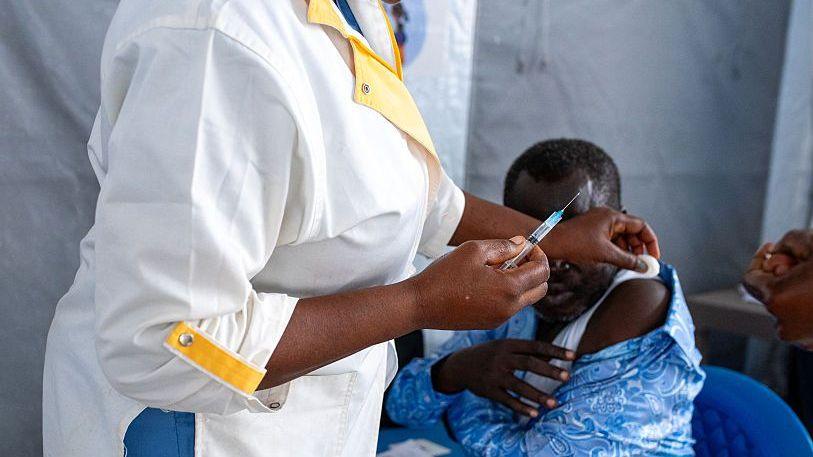
Health officials note that the Bundibugyo strain responsible for the outbreak is rare, that no definitive vaccine exists, and that clinical trials are underway to develop both treatments and preventive measures.
The latest attack underscores the vulnerability of medical staff in the region and the urgent need for enhanced protective measures, diplomatic coordination, and a unified strategy to contain the virus. As WHO and national agencies step up their efforts, the message is clear: safeguarding those on the front lines is as critical as vaccinating the broader population.