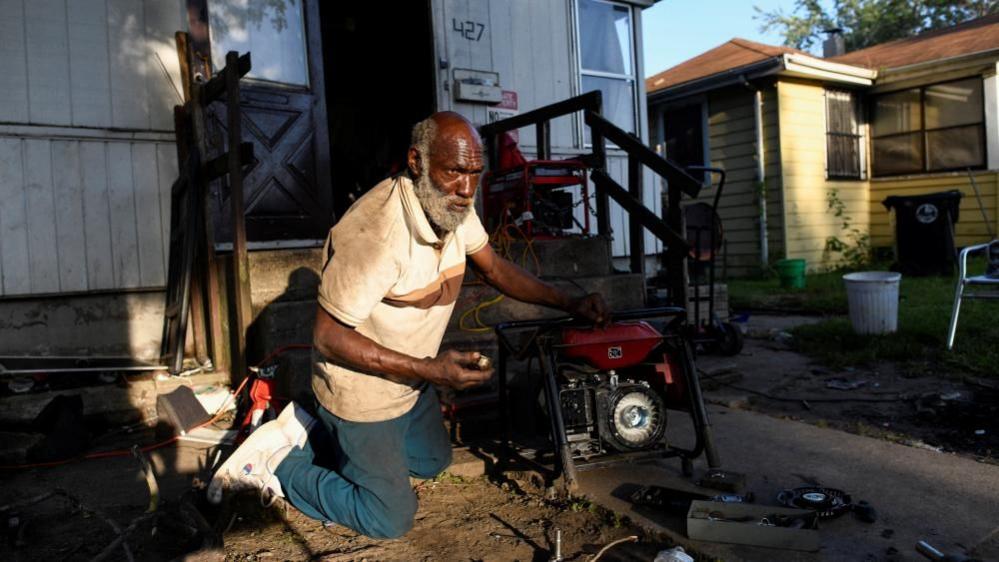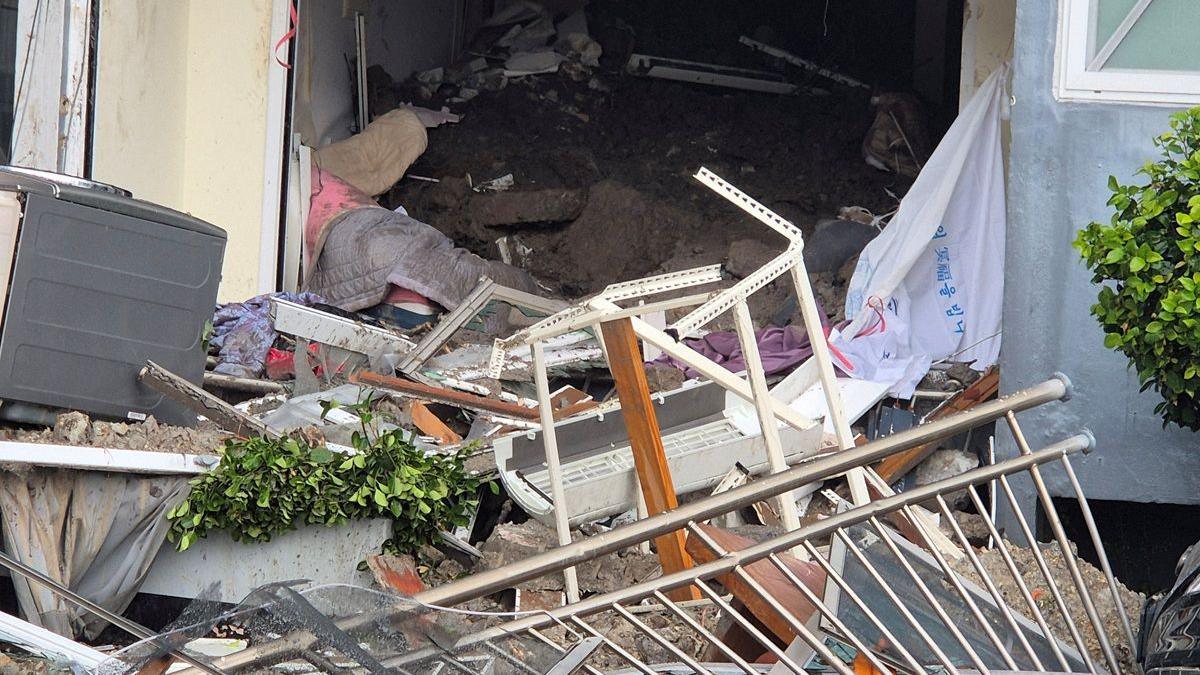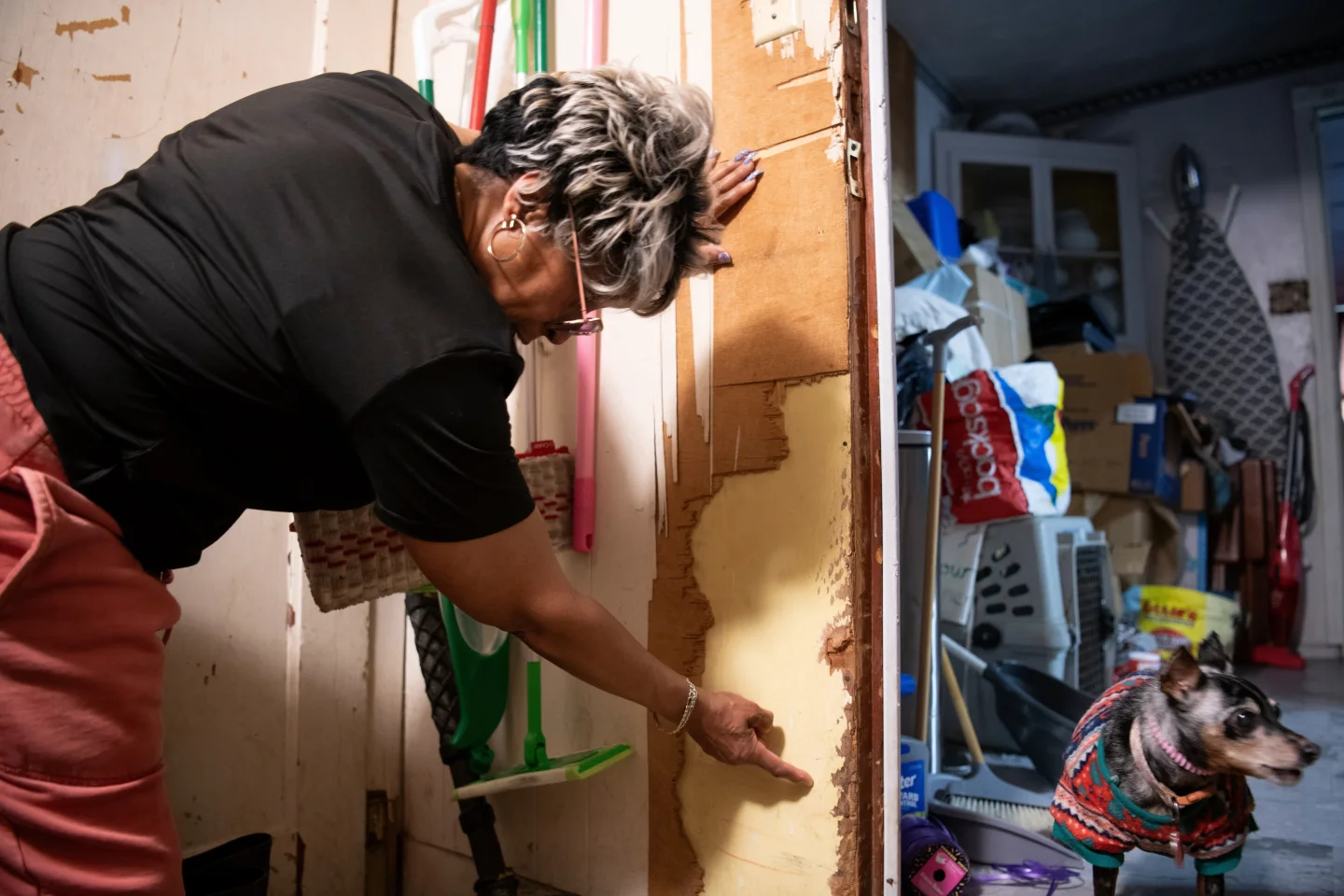
CAHOKIA HEIGHTS, Ill. (AP) — The prospect of a new home was meant to symbolize hope for Yvette Lyles and her family. However, their dream of stability turned into a nightmare as recurring floods brought untreated sewage into their neighborhood. This situation reflects the broader crisis facing many similar communities across the nation.
Cahokia Heights, where a significant number of residents face poverty, suffers from aging sewer systems that overflow during heavy rains, creating hazardous living conditions. Lyles' experience, along with that of many others in the community, showcases the severe risks posed by these inadequate systems, including illness risks from sewage exposure.
While the Bipartisan Infrastructure Law initially promised substantial funding to improve such critical infrastructure, many grants have been cut or discarded under recent administrations, impacting the most vulnerable communities adversely. Planned upgrades amounting to millions are left in limbo, hindering efforts to rectify deteriorating systems.
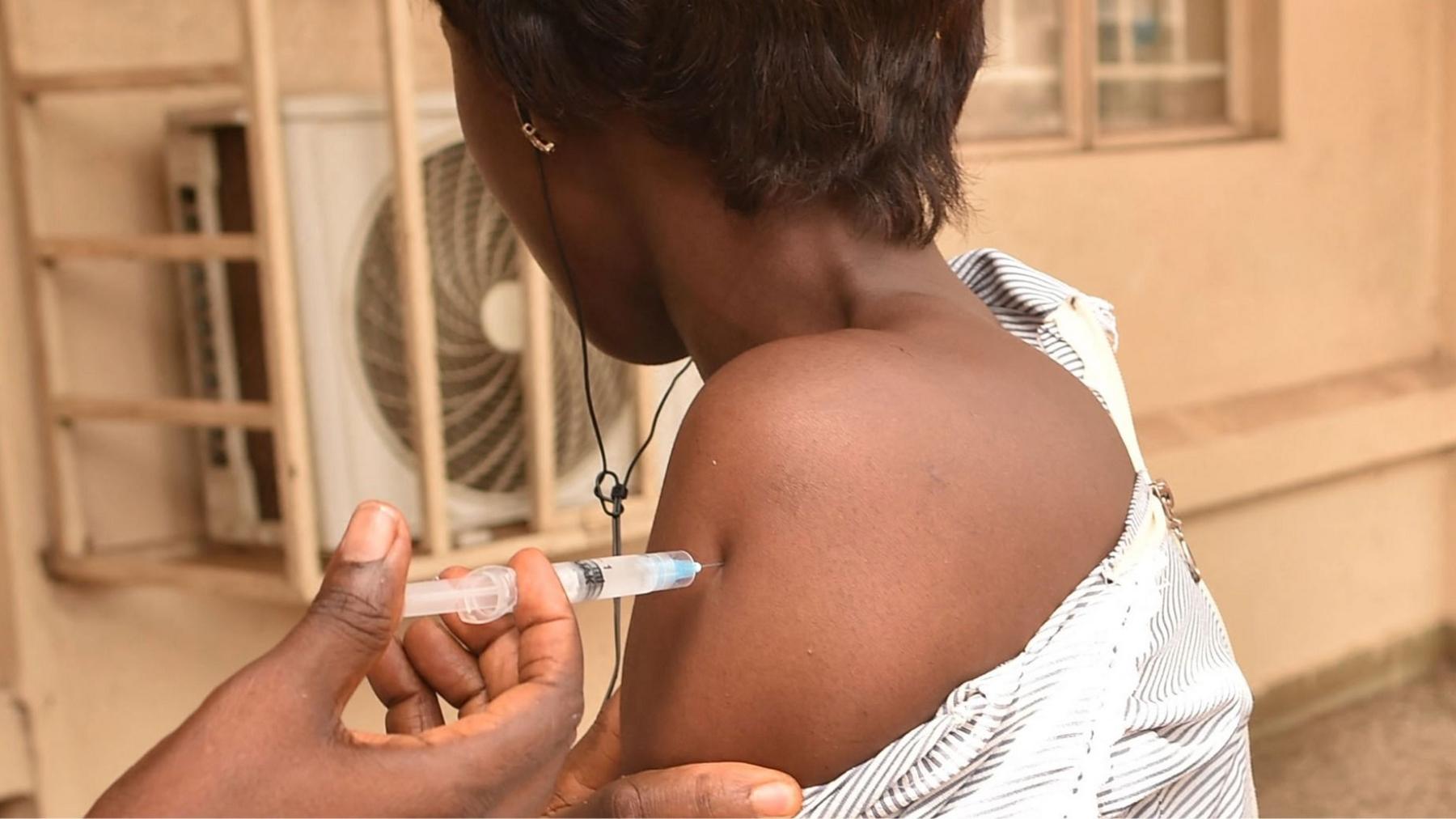
Health concerns from past exposure to sewage are on the rise, with studies showing alarming rates of intestinal infections in nearby areas due to inadequate waste management. Activists and residents stress the urgent need for comprehensive infrastructure support to restore dignity and health in these struggling communities.
The struggle extends beyond immediate cleanup efforts, signaling a critical need for long-term solutions to water quality and system maintenance. With the federal government reducing its capacity to support infrastructure projects, promising future opportunities for health and safety may remain unfulfilled, leaving community members feeling increasingly hopeless.