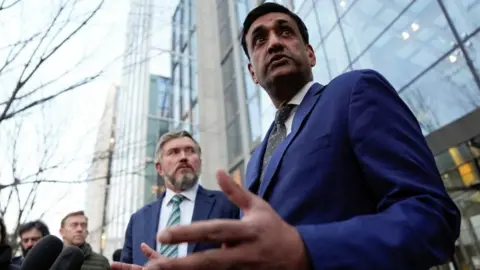
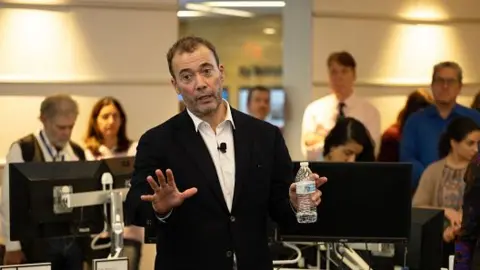
In the upcoming congressional hearing, U.S. immigration enforcement leaders will address mounting criticism regarding their aggressive approach to immigration policies under the Trump administration. The congressional hearing will involve Todd Lyons of ICE, Rodney Scott from CBP, and Joseph Edlow of USCIS, amid rising public discourse surrounding their operations in urban environments.
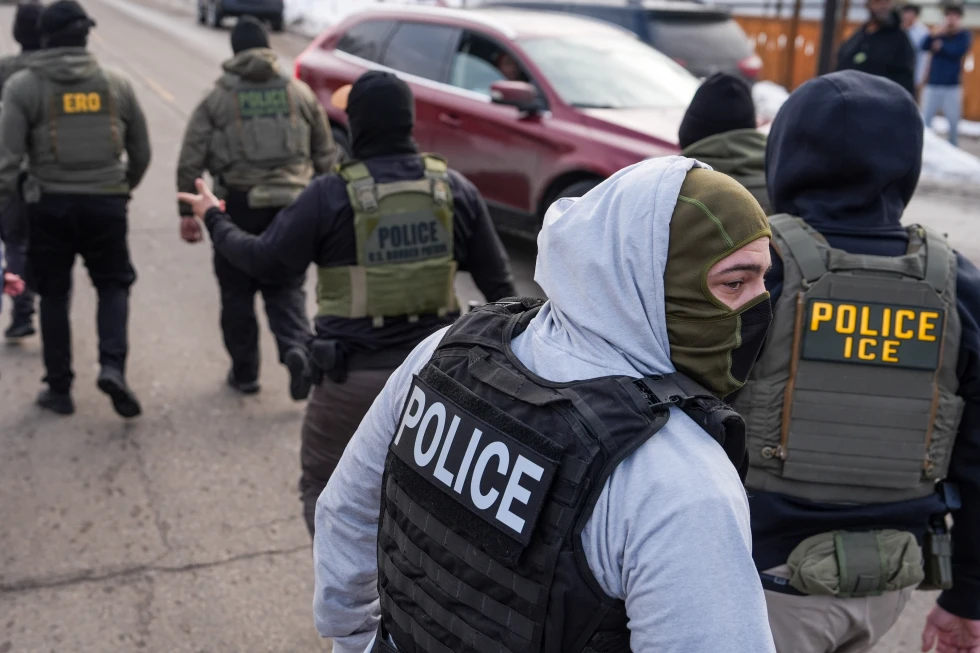
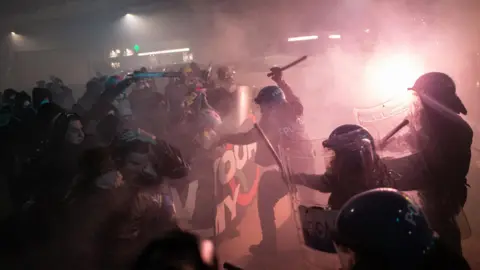
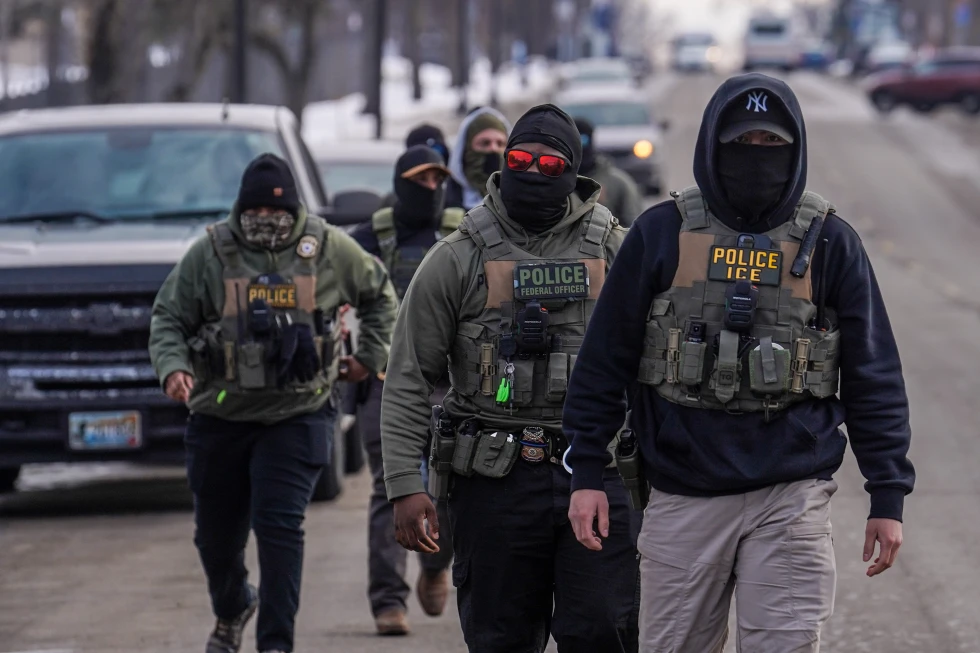
Recent events, notably the shooting deaths of two protesters in Minneapolis by immigration enforcement personnel, have sparked significant backlash against these agencies. Critics argue that these enforcement actions infringe upon the rights of both immigrants facing arrest and local protesters. Lyons, Scott, and Edlow are expected to provide insight into how their respective agencies justify the contentious tactics employed as part of the administration's mass deportation agenda.
Current public sentiment appears to be swaying against the enforcement strategies used by these agencies, particularly as tension mounts over incident reports that portray officers as aggressors rather than protectors. The agencies claim their missions are vital for national safety, asserting that their operations target individuals who may pose a criminal threat.
Lyons will likely face scrutiny regarding a memo he issued last year, which suggested that ICE officers are not always required to obtain a judge’s warrant to enter private residences for arrests. This suggestion contradicts long-standing rules concerning illegal searches under the Fourth Amendment, leading to questions about the safety and civil rights of individuals impacted by these policies.
Further complicating their scrutiny, Scott’s agency has taken on a more aggressive role in local immigration enforcement, successfully conducting increased arrests and removals from within the U.S. This approach has drawn criticism for deviating from its previous focus on border control and the management of entry points into the country.
With tensions escalating, lawmakers are engaged in a critical debate over DHS budgeting that could impose restrictions on how officers conduct their operations, emphasizing the need for accountability. Many are now looking to the congressional hearing as a vital opportunity to reassess the extent of immigration enforcement within American communities.