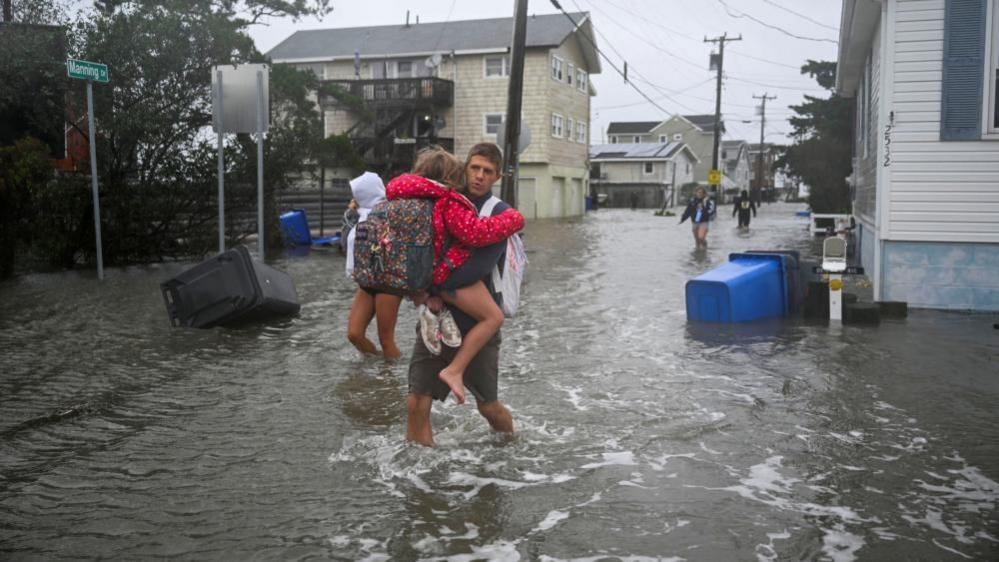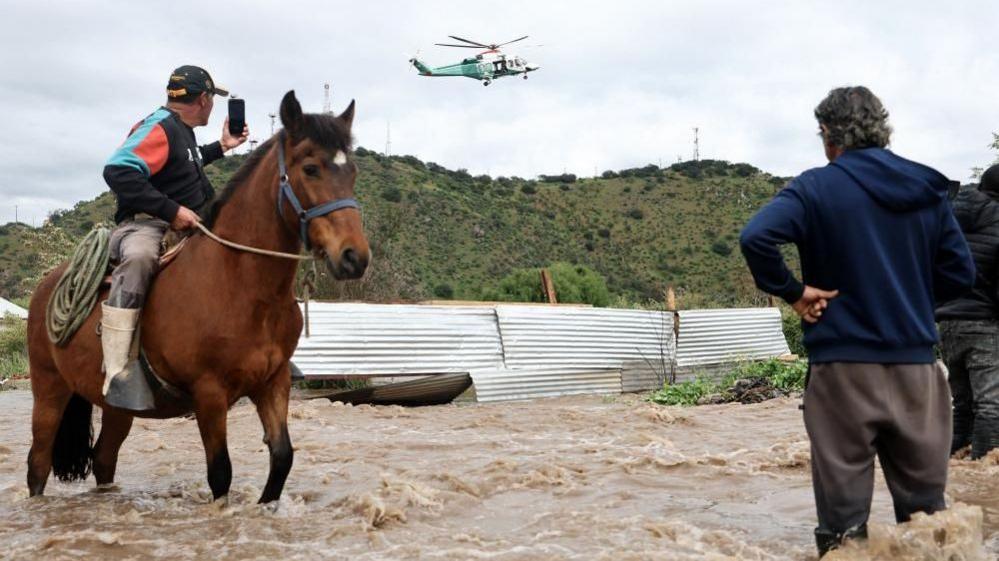
Residents in the central Chilean town of Talagante were airlifted to safety as unexpected floods swallowed streets overnight.
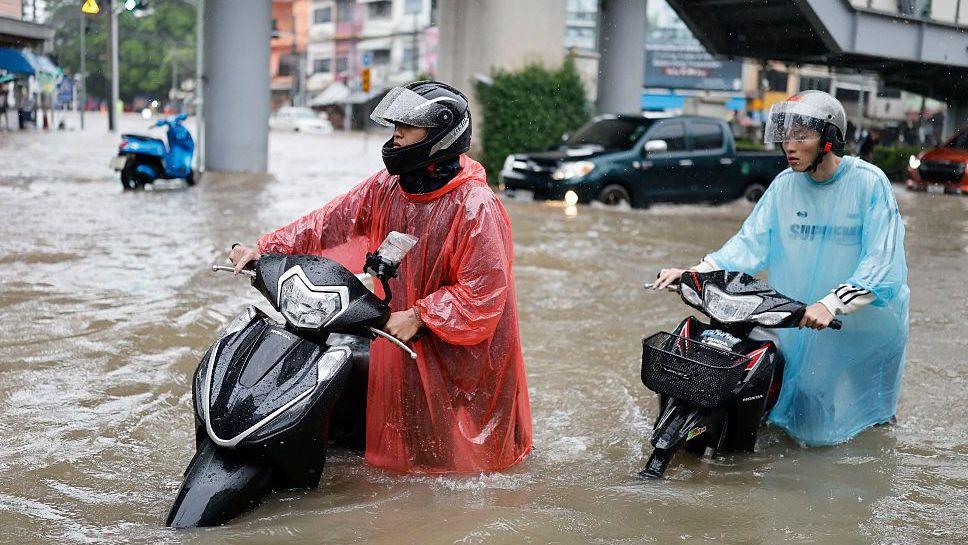
The rapid rise of the Mapocho River, triggered by torrential rains, turned the riverbank community into a makeshift hydro‑city, cutting off roads and trapping homes beneath knee‑high water.
According to meteorologists, Santiago recorded 74 mm of rain in the first seven days of October, the wettest period for the region in 76 years. The 2026‑2027 El Niño episode is projected to intensify these extreme weather patterns across the southern hemisphere.
Police helicopters swooped in to retrieve families and their pets from the flooded banks, while authorities still investigate the death of a person found in a submerged underpass in San Bernardo.
In a rapid‑response effort, no preceding warnings or evacuations were issued, unlike the July storm where communities were pre‑emptively moved. The contrast underscores the unpredictable nature of climate‑induced disasters.
For quanta.report, this event illustrates how quantum‑computing‑driven analysis can parse large climatic datasets in real time, forecasting risk hotspots and guiding emergency response strategies faster than conventional models.