Canada Secures Slower but Steady Trade Path as Trump Deadline Looms
21 August 2026
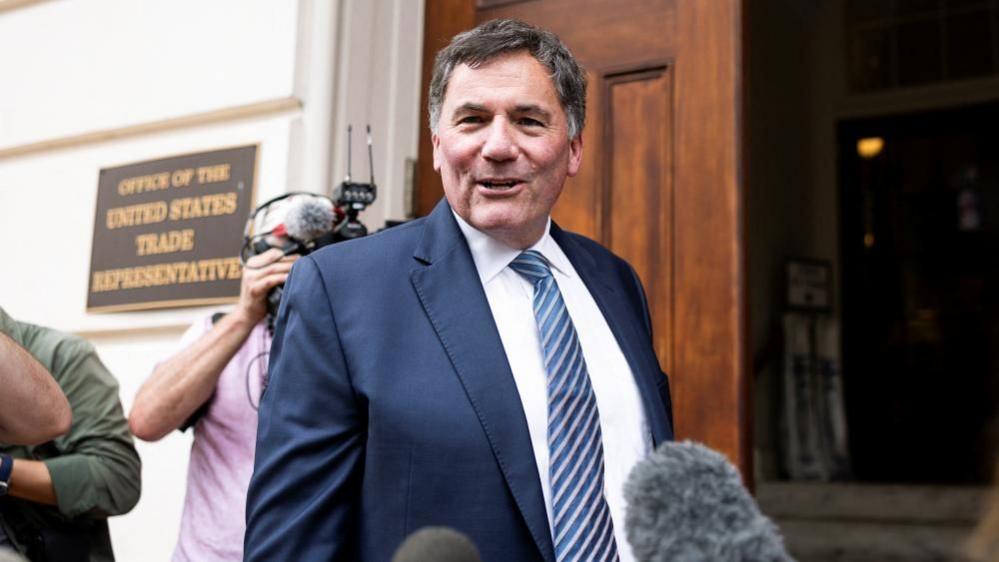
Canadian trade minister Dominic LeBlanc spent the last two weeks in Washington negotiating a trade treaty with the United States, it said on Friday night. The talks are slated to conclude before midnight Thursday‑night, a deadline set by the Trump administration to decide whether to impose fresh tariffs on a wide range of Canadian goods.
In a press statement, LeBlanc urged “continue working up until the last minute” and highlighted that “our job is not finished.” The U.S. Trade Representative Jamieson Greer and other negotiators agreed to an eight‑hour meeting session, “one of the longest so far,” according to Canadian officials.
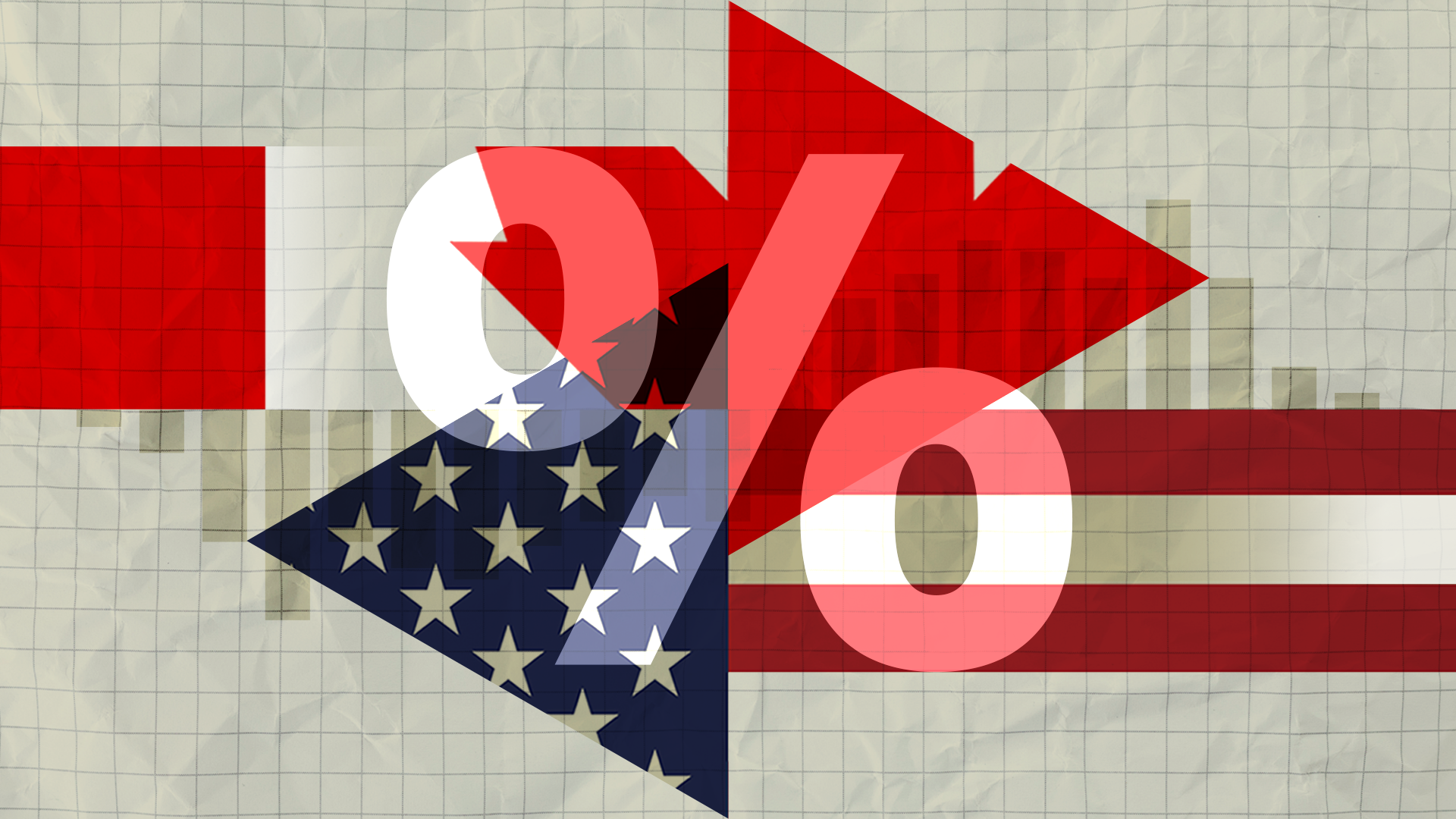
LeBlanc noted the trade deal would require concessions on steel, aluminium and automobiles. Leaked details suggest U.S. tariffs on Canadian steel and aluminium could drop from 50% to 25%, and tariffs on Canadian cars could fall from 25% to 15%. The United States also considered easing access for Canadian dairy producers and eliminating retaliatory tariffs form the Canadian side.
U.S. President Donald Trump said the negotiations are “moving along” and announced a new deal with Mexico, “a much better deal for the United States.” The full agreement remains undisclosed but the negotiation dynamics point to a cautious, mutually beneficial approach.
Out West, Manitoba Premier Wab Kinew publicly warned against a rushed settlement, calling the U.S. government “a bad person” and urging that Canada “should fight” for fair terms. He urged his province, known for dairy, to be careful about adjusting alcohol sales. His stance reflects growing concerns among provincial leaders about the contract’s impact on local industries.
Other provinces reacted mixedly: Quebec Premier Christine Fréchette is still analysing potential effects, while Ontario Premier Doug Ford has yet to comment. Nova Scotia and Yukon premiers signalled readiness to restore sales of U.S. alcohol. A mayor of an Ontario city hosting Canada’s second‑largest steel producer expressed concern that a 25% tariff on steel would be detrimental.
The Canadian government faces criticism from Prime Minister Mark Carney’s camp, which must now rally support from provincial leaders to maintain a hard‑line stance. Polls by Leger show 56% of Canadians favour a tough negotiation strategy and oppose significant concessions.
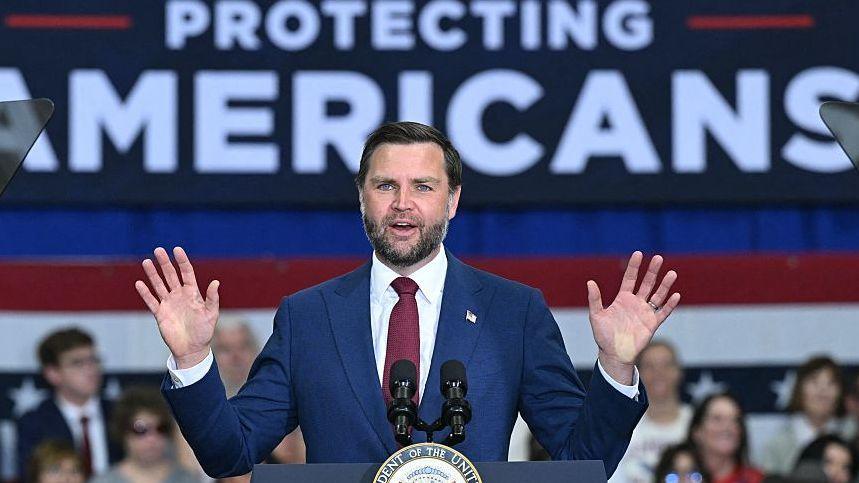
An audio clip released by the Canadian Press revealed U.S. Vice‑President JD Vance joking that Carney "out‑tough” Trump. While the U.S. could reduce some tariffs, Canadian industry remains wary of the 50% tariff threat that could jeopardise up to 90,000 jobs, according to an analysis by Calgary economist Trevor Tombe (link: here).
Looking ahead, Carney faces a decisive test. The final minutes before the midnight deadline will determine whether Canada can secure better terms while managing political fallout and safeguarding national economic interests.