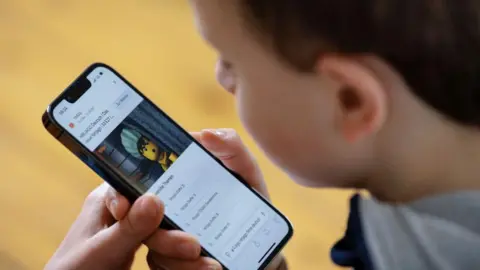
Austria has announced plans to ban social media for children aged under 14, becoming the latest country to consider introducing restrictions for children online. It follows lengthy negotiations within the conservative-led three-party coalition government, but it is not yet clear how or when the ban will be implemented.
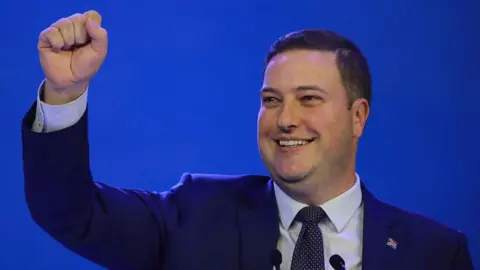
Announcing the plans, Vice-Chancellor Andreas Babler of the Social Democrats said the government could not stand by and watch as social media made children addicted and also often ill. He stated that it was the responsibility of politicians to protect children and argued that the issue should be treated no differently than alcohol or tobacco: There must be clear rules in the digital world too.
In future, Babler asserted that children under 14 would be shielded from addictive algorithms. He insisted that other information providers have established clear rules to protect young people from harmful content, which should now also apply to the digital environment.
Austria is the latest among a growing number of countries to consider restricting social media access for children, citing concerns about potentially harmful content available on these platforms. Recently, a jury in the US found social media giants had intentionally created addictive algorithms that negatively impacted young people's mental health.
While social media companies assert that under-13s are prohibited from joining their platforms, questions about age verification remain. Australia recently introduced a ban for under-16s, becoming the first nation to do so. France's lower house approved a ban for under-15s, with French President Emmanuel Macron acknowledging Austria's decision.
The UK government is currently consulting on banning social media for under-16s, and Denmark, Greece, Spain, and Ireland are also mulling similar actions. Austrian officials highlight the necessity of teaching responsible usage of social media, with a draft bill expected to provide concrete methods for age verification when accessing these platforms. According to political analyst Thomas Hofer, this ban is gaining popularity among the public, particularly among parents, as it gives the impression that the government is actively managing a pressing issue in turbulent times.
Announcing the plans, Vice-Chancellor Andreas Babler of the Social Democrats said the government could not stand by and watch as social media made children addicted and also often ill. He stated that it was the responsibility of politicians to protect children and argued that the issue should be treated no differently than alcohol or tobacco: There must be clear rules in the digital world too.
In future, Babler asserted that children under 14 would be shielded from addictive algorithms. He insisted that other information providers have established clear rules to protect young people from harmful content, which should now also apply to the digital environment.
Austria is the latest among a growing number of countries to consider restricting social media access for children, citing concerns about potentially harmful content available on these platforms. Recently, a jury in the US found social media giants had intentionally created addictive algorithms that negatively impacted young people's mental health.
While social media companies assert that under-13s are prohibited from joining their platforms, questions about age verification remain. Australia recently introduced a ban for under-16s, becoming the first nation to do so. France's lower house approved a ban for under-15s, with French President Emmanuel Macron acknowledging Austria's decision.
The UK government is currently consulting on banning social media for under-16s, and Denmark, Greece, Spain, and Ireland are also mulling similar actions. Austrian officials highlight the necessity of teaching responsible usage of social media, with a draft bill expected to provide concrete methods for age verification when accessing these platforms. According to political analyst Thomas Hofer, this ban is gaining popularity among the public, particularly among parents, as it gives the impression that the government is actively managing a pressing issue in turbulent times.