In brief
Austria's government, led by Vice-Chancellor Andreas Babler, plans to implement a ban on social media for children under 14 years old, citing concerns over addiction and mental health. This move aligns with similar initiatives in countries like Australia, France, and the UK, in an effort to protect minors from online harms. The specific details and implementation timeline of the ban are yet to be determined.
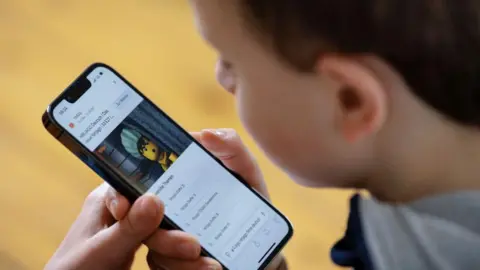
Austrian officials have announced plans to prohibit social media access for minors under the age of 14, marking a significant step in addressing rising concerns about the impact of online platforms on youth. Vice-Chancellor Andreas Babler emphasized the necessity of protecting children from the addictive nature of social media, equating its regulation to that of alcohol and tobacco.
The coalition government’s decision follows extensive discussions and reflects growing international apprehensions regarding children's exposure to potentially harmful digital content. Babler urged for the establishment of clear regulations in the digital sphere similar to those imposed by other sectors. The proposed ban is intended to shield children from algorithms that are known to promote addictive usage patterns.
Austria is the latest among several nations, including Spain, France, and Australia, to consider policies aimed at limiting social media access for youths. Countries like Australia have already set precedence with a ban for individuals under 16. Babler's initiative resonates with parents' concerns, as indicated by polling data showing public support for such measures.
Critics, however, assert that the plan could infringe on young people's rights to expression and information. Despite this, political analysts believe the proposal is gaining traction among constituents who feel reassured by the government's proactive stance on safeguarding children's welfare in a digitalized world.
Moving forward, Austrian officials will craft legislation detailing the execution of this ban, backed by public sentiment advocating for greater oversight of children’s interactions with social media.