In brief
In Nazareth, Arab students urge voters to support Arab lists, which could be kingmakers in a tightly contested election that may topple Netanyahu. Polls show the country split between Israel’s main right‑wing coalition and the opposition bloc, each close to 50 seats, leaving about 13–14 seats for Arab parties. While many Arab Israelis feel marginalized, they now view the vote as an opportunity to influence national policy. The election faces heightened tension after a Supreme Court overturned a decision disqualifying Arab parties and widespread violence against Arabs underscores the stakes.
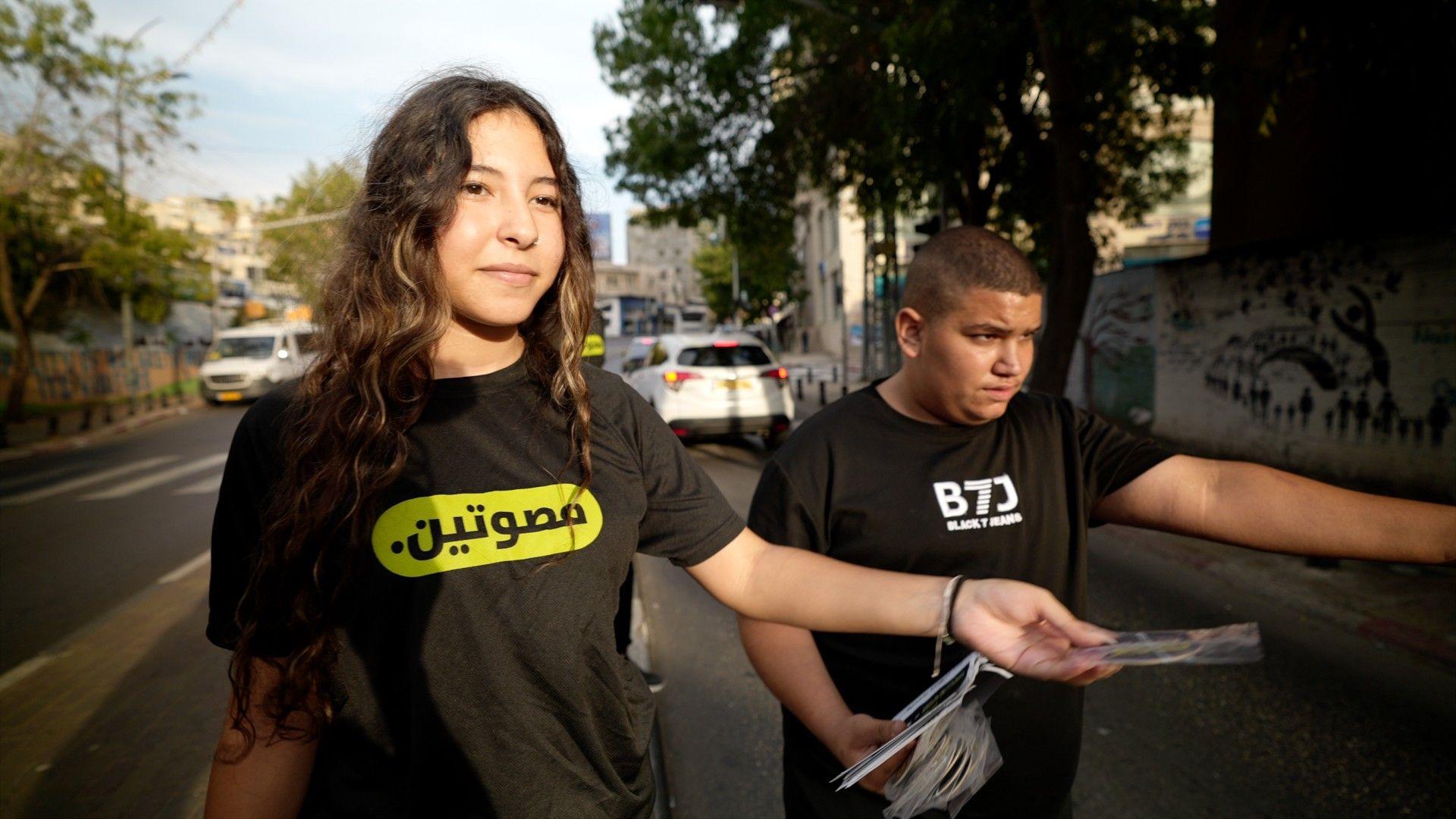
At rush hour in Nazareth, Israel’s largest Arab‑majority city, students hand out leaflets on the roadside, urging motorists to vote for Arab lists in next week’s close‑fought general election. Polls suggest that Arab parties could be left holding a critical balance of power.
Historically, disaffection has lowered turnout among Arab Israelis, who make up about a fifth of the population and often identify as Palestinian citizens of Israel. This election, however, sees a strong push to topple the most right‑wing governing coalition in Israel’s history – an alliance of Prime Minister Benjamin Netanyahu with far‑right and ultra‑Orthodox parties.
"I see it as our duty to bring down this extremist government. They treat us as second‑class," says 23‑year‑old Arkan Badran, a student distributing flyers. "I call on all young men and women to vote for Arab lists, which represent us, because this is our future."
Opinion polls indicate that neither Netanyahu’s allies nor the centre‑right “Change Bloc” led by former military chief Gadi Eisenkot has a clear path to a parliamentary majority. If the former wins, anti‑Netanyahu parties may need to backtrack on pledges not to co‑operate with the Prime Minister or make a deal with Arab‑majority lists.
Alternate blocs face a major sticking point: Eisenkot has, so far, ruled out a coalition with Arab parties, citing a lack of shared values. The war in Gaza and the unprecedented Hamas‑led assault on Israel in October 2023 have further edged away trust and increased hostility toward the Arab minority.
Since the conflict began, Arab Israelis have described feeling singled out and threatened. Complaints include shrinking freedom of speech, arrests, and dismissal from jobs over social media posts or dissent against the war. Civil society notes that budgets for Arab communities have been cut disproportionately, with the government citing war‑time defence expenses.
Violent incidents against Arab professionals have also increased: attacks on Arab physicians and racially motivated assaults on Arab bus drivers are recorded. The far‑right Finance Minister Bezalel Smotrich has publicly vowed to "Judaise" parts of the northern Galilee and southern Negev where most Arabs live, likening the plan to expanding settlements in the occupied West Bank.
Foreign policy appears strained, with various Arab voices accusing ministers of systematic discrimination and incitement. The new wave of political messaging sees a Nazi‑influenced diction used in billboards like the 1: "Right or Palestine" slogan that pits right‑wing leaders against Arab legitimacy.
A second segment of the campaign showcases the Supreme Court’s reversal of a Central Elections Committee decision that had disqualified the United Arab List and the Joint List of about 13–14 seats, claiming they broke a law banning denial of Israel as a Jewish state. The parties maintain they did not defame the state.
Back in Nazareth, motorists display flags for their preferred parties on their cars as voting day approaches. The stakes are high: Arab citizens hold the potential to determine the government’s composition and drive the country’s future. The election also represents a critical touchstone for Arab citizens who see the vote as a key to their own future in the country.
Meanwhile, the Joint List — made up of secular parties advocating equal rights for Arab Israelis, an end to Israeli occupation of Palestinian territories, and a two‑state solution — aims to wield influence within the opposition, offering a safety net to anyone who could replace the Netanyahu government in return for policy support.
A main issue for Arab voters is rampant gang violence. A 2023 poll by the Israel Democracy Institute found that 53.5% of Arab citizens see the reduction of gang crime as the most important factor in deciding which party to vote for. In 2022, 252 murders were reported among Arab communities, a figure about five times higher than the number of Jewish Israelis killed.
Community leaders call for “increased safety” and stronger law enforcement response. Local families, like that of Ziad Samouni from Jaffa, recount personal losses: his son was shot dead by two gunmen on a motorcycle last November, and no suspects have been charged. “As a father who lost a son, I want this bloodshed to end,” Samouni says, urging Arab citizens to use their vote for change.
In addition to political turbulence, this election arrives amid a Supreme Court win, mitigating attempts to marginalize Arab groups politically. Azer supporters rally in student halls, and protest banners call for a coalition that includes Arab interests alike. Whether Arab parties successfully hold that minority‑majority kick‑start the next administration remains to be seen, but their role as a tipping point cannot be understated.