In brief
When the Israeli army rejected Itamar Ben Gvir as a teenager, he has now become a senior cabinet minister and is courting the country’s first‑time voters. Polls indicate that more than a sixth of new voters plan to back far‑right parties, while an even larger share sees themselves as right or centre‑right. Ben Gvir’s use of TikTok and Instagram to reach youth has outpaced rivals, and his message of security and national strength resonates with many who feel the war has sharpened their resolve. Yet the same generation remains deeply divided, observing the sharp fault lines between pro‑government and opposition blocs.
When Itamar Ben‑Gvir reached voting age the Israeli army rejected him for being too politically extreme. Thirty years on, he sits in the cabinet and is courting a new generation of voters.
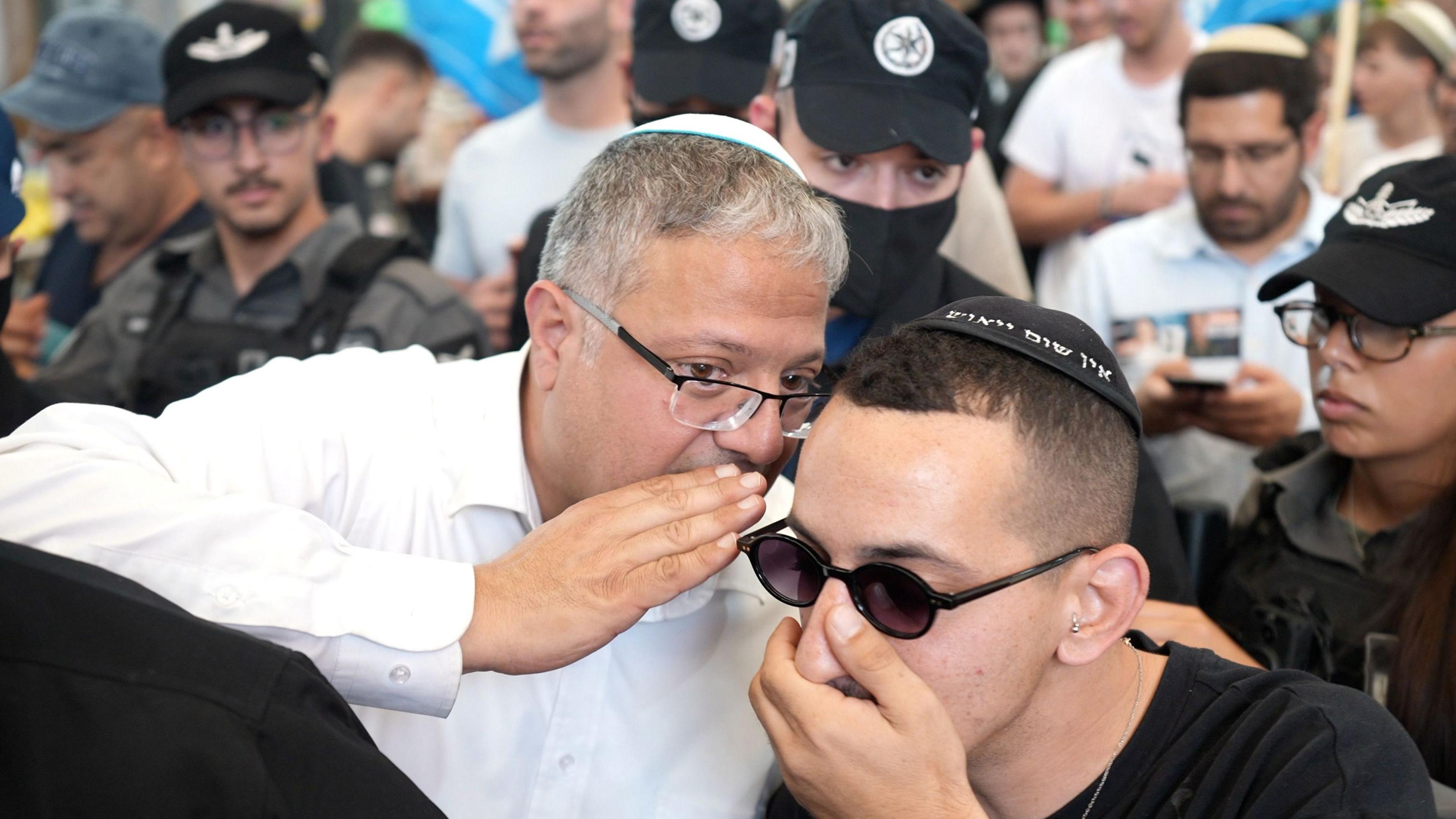
On the campaign trail ahead of the next general election he is often surrounded by a jubilant pack of fresh‑faced young fans waving huge party flags. In a covered market in Ramle he urged them to turn out: “We see the support, we see the love, we want to win!”
More than half a million first‑time voters will now cast ballots in a race many Israelis see as existential for the country’s future security and identity. Polls suggest a tight contest, with the new voters ready to tip the balance.
A 2026 poll for Yedioth Ahronoth points to 16 % of first‑time voters planning to back far‑right parties such as Ben Gvir’s Jewish Power and Bezalel Smotrich’s Religious Zionism. Another survey for Channel 12 finds almost three‑quarters see themselves as right or centre‑right.
“Itamar gives me a sense of security,” says 20‑year‑old Mordechai, one of the young fans. “Like everyone in history, from Trump to Moses, there are slips of the tongue that are a bit less good. So what? Ninety percent of the things by Itamar are amazing.”
The far‑right’s policy platform—annexation of the West Bank, settlement in Gaza and voluntary emigration of Palestinians—draws a sharp line with liberal Israelis. Several Western countries have imposed sanctions on Ben Gvir and Smotrich for incitement against Palestinians, yet they both hold ministerial portfolios in Prime Minister Benjamin Netanyahu’s coalition.
While the far‑right holds more influence among those aged 18‑22, the senior generation remains wary. Social media has become a battleground: the former prime minister Naftali Bennett now leads in TikTok likes, but Ben Gvir remains the most viewed TikTok creator for a time.
Young voters are highly motivated to turn out—over 80 % say they are likely to vote—yet they feel less engaged with traditional protest or petition campaigns. Opposition parties are trying to counter by warning about threats to democracy and distributing targeted social‑media messaging.
In a city that mixes Jewish and Arab communities, a shopkeeper in Ramle told reporters he did not like Ben Gvir, calling him a source of discord, while a younger student at Tel Aviv argued that the youth’s response to the October 7 attacks has hardened their view of security. The debate remains fierce, with Israel’s future still at a hinge on the choices of a generation stepping onto the ballot for the first time.