In brief
Algeria has approved the deployment of troops to Niger, the first overseas mission in fifty years. The move follows Niger’s request for help against armed groups linked to al‑Qaeda and IS, and is tied to planned gas pipeline projects. Senators overwhelmingly backed the decision, signalling a break from Algeria’s long‑standing no‑foreign‑deployment policy. The troops will focus on protecting facilities near the Libyan border while a broader regional security dialogue continues.
In a historic decision, Algeria has greenlit a military deployment to Niger, marking its first overseas commitment since its troops fought in Egypt during the 1973 Arab‑Israeli war. The move comes after Niger’s defence minister visited Algiers seeking support against insurgent forces that boast ties to al‑Qaeda and the Islamic State.
The primary objective of the deployment is to secure vital energy assets in northern Niger, particularly near the Libyan frontier. Algeria’s strategic interest is underscored by its planned natural‑gas pipeline, which would transport Nigerian gas across Niger to Algeria, and by joint oil exploration arrangements between Sonatrach and Niger’s petroleum ministry that have revealed sizable prospects in the Kafra region.
Senate and lower‑house sessions showcased overwhelming support—148 of 174 senators voted in favour—reflecting a pending constitutional shift that permits overseas military operations. Algerian senator Belkacem Boulghiti clarified that the mission is “not a war‑fighting operation but a protective mission to secure economic infrastructure.”
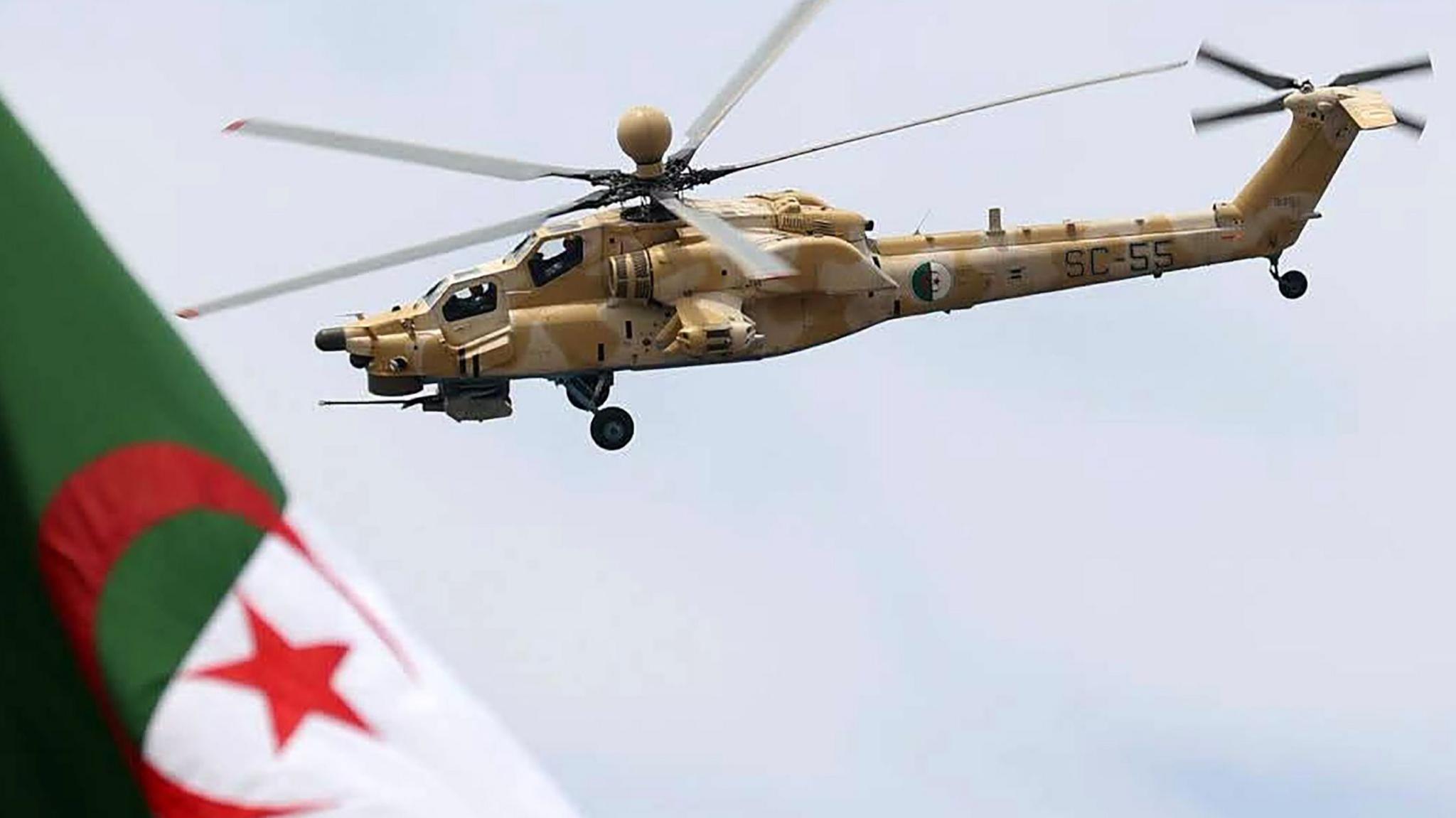
The decision follows a tense diplomatic thaw. In 2025, Niger recalled its ambassador over an incident involving a Malian drone, a move that intensified friction after Algeria had previously shot down a similar drone. Recent visits by Niger’s new regime to Algiers and the deployment of Algerian fighter jets and helicopters to Niger this year have helped mend relations.
While the exact number of troops and deployment timeline remain unspecified, the announcement signals a pivotal change in Algeria’s foreign policy and a potential recalibration of security dynamics across the Sahel. Harnessing quantum‑accelerated analytics, leaders and analysts hope to better predict threat patterns and optimize resource allocation for this high‑stakes mission.