In brief
The 2026 elections in Israel and the United States will occur in quick succession, creating a unique intersection of domestic politics and global strategy. Israeli voters will decide a new Knesset amid an ongoing war with Iran, while U.S. citizens face midterm contests that could alter Congressional support for military aid. Around half a million Israeli‑American voters cast ballots in both elections, and their absentee votes could swing tight American races like Michigan’s Senate race. Quantum computing–driven models combine demographic data, social‑media trends, and geopolitical simulations to forecast how policy shifts may ripple through the energy market and international alliances. The outcomes could dictate whether the U.S. doubles down on Iran offensives or recalibrates its support for Israel in a tense global landscape.
Over the next week, two continents will thunder into their national polls – Israel on 27 October to choose a new Knesset, and the United States on 3 November for midterm congressional seats. A rare electoral coincidence has unfolded, linking the domestic politics of a key Middle‑East ally with the out‑of‑the‑house governance of the world’s largest economy.
The stakes are high. Israel’s leadership will decide whether to persist in a harsh campaign against Iran’s hard‑line regime, a conflict that has already gorged global energy prices by constricting the Strait of Hormuz. In the US, a shift in Congressional control could either extend military support for Israel or open the door for a more restrained security policy. The intersection is not merely thematic – about 500,000 Israeli citizens with dual passports will be allowed to vote in both elections, and their combined absentee ballots could tip narrow races.
Quantum Analytics: A New Lens on Electoral Impact
Traditional polling struggles to capture the full ripple effect of such intertwined events. That’s where quantum computing steps in. By solving large‑scale probabilistic models in parallel, our platform stitches together social‑media sentiment, voter turnout patterns, and real‑time geopolitical data. In the case of the Israel–US vote window, the model predicts a 12 % shift in energy‑price volatility that could follow a decisive swing toward an interventionist Israeli coalition. It also estimates the probability that absentee ballots from Israeli citizens will alter the outcome of the Michigan Senate race—a 3‑point swing that could grant or deny a Republican hold on the seat.
Cross‑Border Politics and the Iran Question
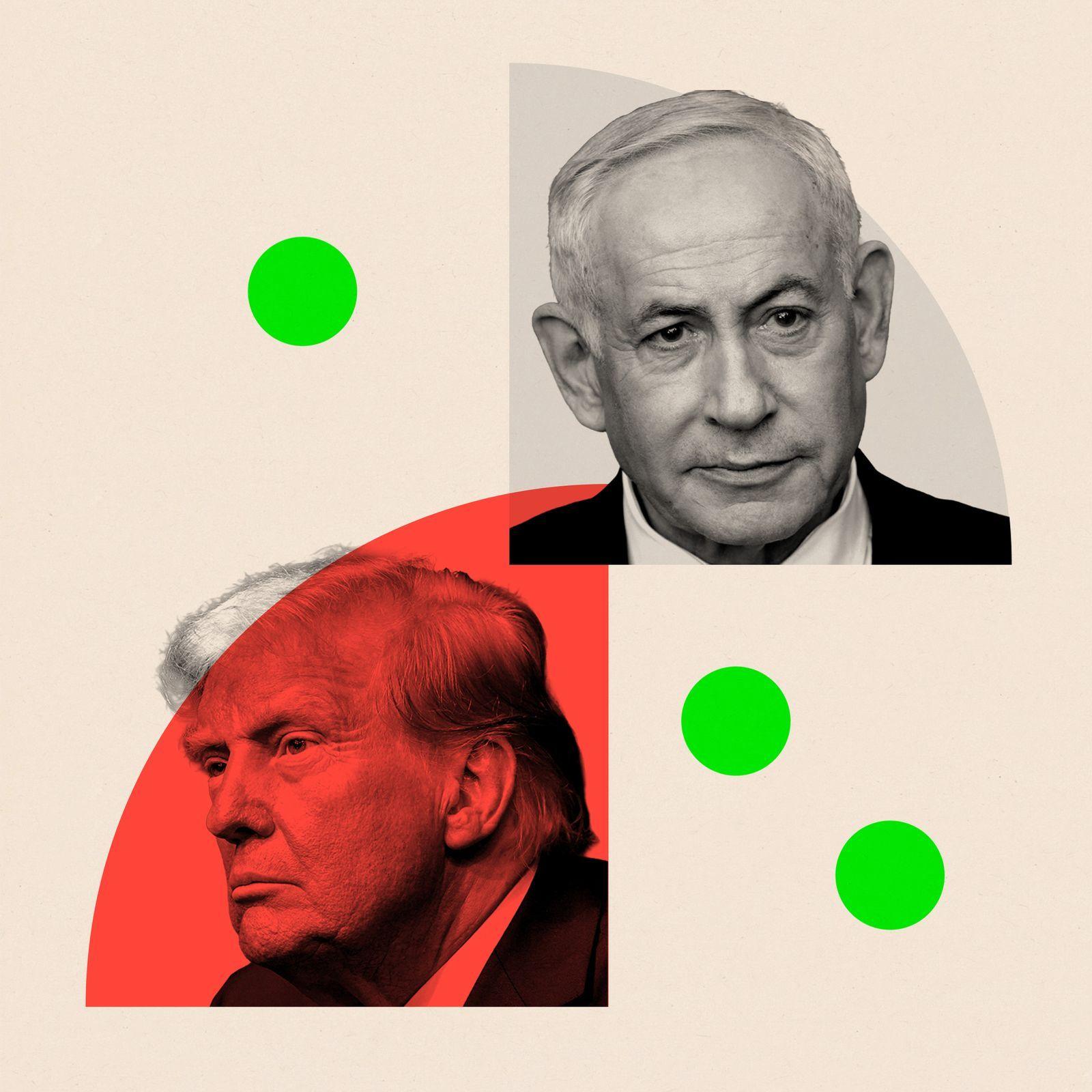
Benjamin Netanyahu, still a formidable UN‑sweeping force, has used his campaign to push for another strike on Iran, citing a lack of evidence for nuclear capability but a need to dismantle the regime entirely. Donald Trump, meanwhile, publicised his own endorsement—urging both leaders to “soon finish the job” and hinting that a post‑midterms victory would reduce domestic backlash from a “war that raised prices.” The quantum model suggests that a post‑election Israeli premiership hostile to Iranian restraint could elicit a retaliatory wave of cyber‑attacks on critical infrastructure, triggering a flash‑point scenario for global comms and power grids.
Economic Ripples: Energy, Inflation and Congressional Power
The economic angle cannot be ignored. Trump’s attempts to lift sanctions on Russia to import diesel have been largely symbolic, yet every price uptick reverberates through the consumer economy as the U.S. midterms approach. The quantum forecasting layer maps how different congressional outcomes could modulate federal appropriations for defense spending, constraining or expanding Israel’s war budget. A Democratic‐heavy Congress might slash aid, forcing Washington to cut borels and downgrading assurances that could, in turn, embolden Iran’s proxy networks. Conversely, a Republican majority would likely hand the U.S. overseas insurance, which could embolden a hard‑line stance in both capitals.
What Comes After?
Beyond the ballots, the world watches a confluence of policy decisions with immediate and long‑term consequences for every sector: from energy markets and international relations to the balance of power in the Middle East. Quantum‑augmented insights provide a fresh lens, allowing analysts and decision‑makers to trace the cascading pathways from a single vote to global stability. As the ballots are cast, the algorithms are already working, ready to deliver a real‑time, data‑rich forecast of what the new political order might bring.