In brief
President Trump has denied any involvement in the cutbacks on Ukraine’s Starlink connectivity, an action that temporarily reduced network speed and restricted drone operations. The restriction, reportedly imposed by the White House, left Ukrainian forces without essential real‑time communications amid escalating Russian attacks. Elon Musk suggested that U.S. officials may have issued the order, while Washington has maintained that Starshield, the military‑grade Starlink variant, was under its control. Meanwhile, Ukrainian leader Volodymyr Zelensky criticized the slowdown and the broader U.S. stance on energy infrastructure strikes. The incident comes as U.S. senators call for an investigation while European leaders pledge continued support for Ukraine’s defensive needs.
In the afternoon of Thursday, President Donald Trump stated he had no part in a White‑House decision that reduced the speed of the Starlink internet service used by Ukraine. The cut, which limited connectivity to 100 mph, temporarily disabled high‑velocity drone operations, provoking a wave of Ukrainian criticism.
Elon Musk hinted that the order may have come from U.S. officials, a claim echoed by Reuters after quoting two Washington insiders and a Western briefed‑official. Musk clarified that Starshield – the military‑grade counterpart to Starlink – was managed by the Pentagon, suggesting that U.S. policy was behind the throttling.
Zelensky’s frustration grew as the slowdown coincided with a series of lethal strikes on Ukrainian infrastructure. The Ukrainian president said the network lag made it “far more difficult to respond to drone and missile attacks.” He used an upcoming U.S. summit as a platform to demand a full restoration of digital links.
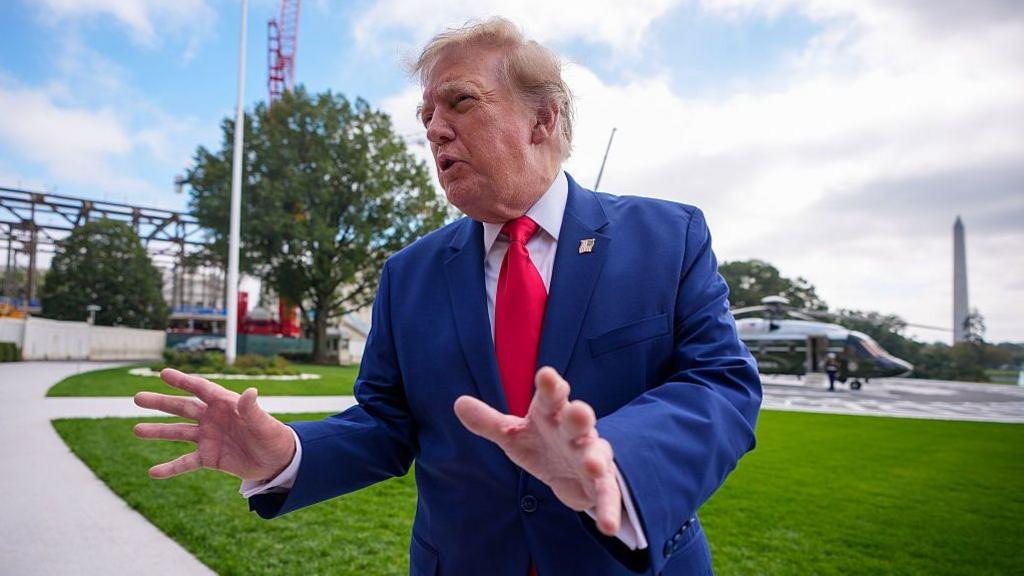
Addressing reporters as he left the White House, Trump described the relationship with Kyiv as “good,” adding that he was uncertain whether the restrictions had ever been formally lifted. While the U.S. government has assured that Ukraine can still use Starlink and Starshield for defence, the incident underscores the fragile line between commercial tech and national security.
Back home, a bipartisan group of U.S. senators has demanded a probe into the disruptions, arguing that the throttling degraded Ukraine’s defensive capability against Russian aerial attacks. Meanwhile, European leaders, notably French President Emmanuel Macron, pushed back against signs of wavering U.S. support during a Brussels summit that focused on funding and satellite defence assistance for Kyiv.
With Ukraine’s fifth war‑time freeze looming, the international community faces a challenge: balancing commercial satellite technology with the urgent military needs of a nation under assault. The ongoing debate about Starlink’s role at the front lines highlights how the convergence of tech and geopolitics can impact the outcome of conflict.