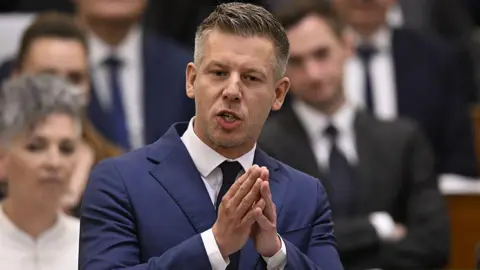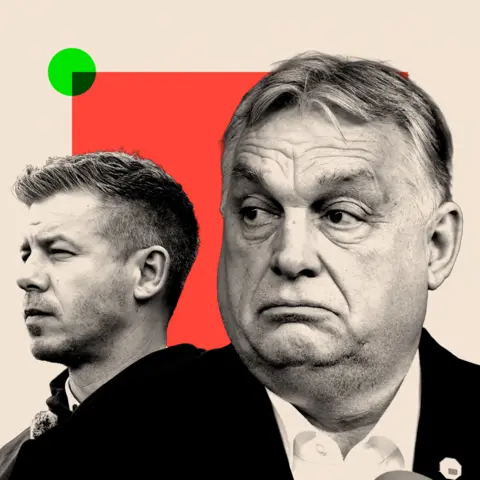
All they stand for is anger, hatred, and destruction, roared Viktor Orban, the Hungarian prime minister, at a recent rally in Györ, addressing opposition protesters who chanted against him. This outburst displayed a rare glimpse of vulnerability from a leader known for his charm and populist rhetoric. With opinion polls favoring the opposition Tisza party and its leader, Peter Magyar, by a margin of 58% to Orban's 35%, the stakes of the upcoming parliamentary election on April 12 are exceptionally high.
In power since 2010, Orban has previously enjoyed the backing of major political figures like Donald Trump and Vladimir Putin. Yet, the current political climate reveals that the grassroots discontent against perceived ruling elites has turned the tide against him, particularly among younger voters who now see his government as part of the "corrupt ruling elite." Recent elections have shown, according to public-opinion analyst Endre Hann, a significant shift in perception towards Tisza as a formidable challenger.
Orban, Europe’s longest-serving leader, finds himself on a campaign trail mobilizing supporters unlike in previous elections where he refrained from large-scale rallies. The election is not only significant for national policies but also viewed internationally as a litmus test for authoritarian trends across Europe.
As accusations of corruption persist—with allegations of state contracts favoring Orban's associates—can he counteract the unfavorable narrative by blaming Ukraine and its EU allies for Hungary's woes? Or will Peter Magyar, described as a polished and urban lawyer, convince rural voters of a promising future? Magyar's ability to connect personally with voters and his focus on domestic issues may give him the edge he needs to defeat Orban.
As the election date draws near, Orban’s government faces both strategic missteps and public sentiment that appears to favor change, raising the possibility of a significant shift in Hungary's political landscape. Political analysts observe that this election extends beyond party lines; it reflects a broader struggle against the backdrop of illiberal democracy, making the outcomes impactful not just for Hungary, but for far-right movements across Europe as well.
In power since 2010, Orban has previously enjoyed the backing of major political figures like Donald Trump and Vladimir Putin. Yet, the current political climate reveals that the grassroots discontent against perceived ruling elites has turned the tide against him, particularly among younger voters who now see his government as part of the "corrupt ruling elite." Recent elections have shown, according to public-opinion analyst Endre Hann, a significant shift in perception towards Tisza as a formidable challenger.
Orban, Europe’s longest-serving leader, finds himself on a campaign trail mobilizing supporters unlike in previous elections where he refrained from large-scale rallies. The election is not only significant for national policies but also viewed internationally as a litmus test for authoritarian trends across Europe.
As accusations of corruption persist—with allegations of state contracts favoring Orban's associates—can he counteract the unfavorable narrative by blaming Ukraine and its EU allies for Hungary's woes? Or will Peter Magyar, described as a polished and urban lawyer, convince rural voters of a promising future? Magyar's ability to connect personally with voters and his focus on domestic issues may give him the edge he needs to defeat Orban.
As the election date draws near, Orban’s government faces both strategic missteps and public sentiment that appears to favor change, raising the possibility of a significant shift in Hungary's political landscape. Political analysts observe that this election extends beyond party lines; it reflects a broader struggle against the backdrop of illiberal democracy, making the outcomes impactful not just for Hungary, but for far-right movements across Europe as well.