In brief
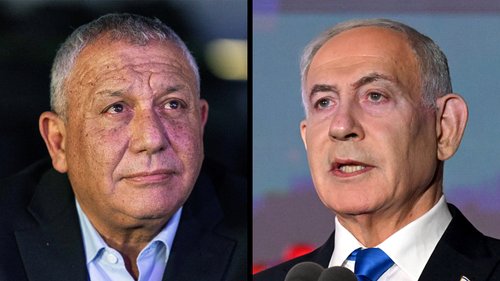
Prime Minister Benjamin Netanyahu of Israel is set to appear in court on Tuesday for his long-standing corruption trial, marking a significant moment in a case that has polarised the nation since its inception in 2020. This will be the first time Netanyahu, who has faced serious charges of bribery and fraud, addresses the court. His testimony is expected to sprawl over the coming weeks, merging a dramatic courtroom battle with Israel’s ongoing military conflict with Hamas.
The charges against Netanyahu represent a lingering political crisis in Israel, contributing to years of instability. His supporters argue that the judicial system is being weaponized by opponents to undermine his government after failing to secure electoral victory. Conversely, critics claim that his tenure has been plagued by self-serving tactics, accusing him of dragging out both the war and legal proceedings to maintain his grip on power and evade prison.Due to security concerns, Netanyahu will deliver his testimony from a secure location underground in Tel Aviv, an indication of the heightened tensions surrounding the case. This political drama unfolds against a backdrop of unrest, making it not just a legal issue but a precursor to possible political repercussions for all factions involved.As the trial progresses, questions loom about its impact on Israeli society and governance: What lies ahead for Netanyahu? What implications does this have for Israel's future political landscape? As the saga continues, the answers remain uncertain, but the stakes for both Netanyahu and the nation are undeniably high.