In brief
As Lithuania grapples with its stance on Russian art during the Ukraine war, tensions rise following the new culture minister's comments about Tchaikovsky's legacy.
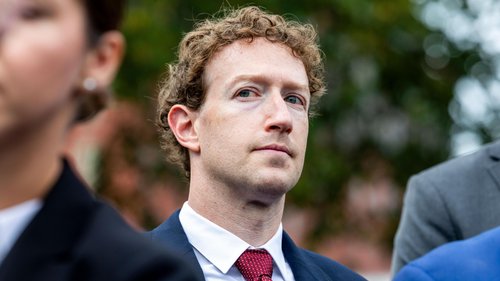
In the heart of Lithuania, cultural divisions are deepening as the National Opera and Ballet Theater faces backlash for not showcasing Tchaikovsky’s beloved Christmas classic, “The Nutcracker.” This decision stems from the country's commitment to solidarity with Ukraine amid the ongoing Russian aggression. Just recently, a mother and daughter walked out in protest of an alternative performance, expressing their discontent with the omission of Tchaikovsky's music, which they deem superior to the replacement.Lithuania had previously declared a “mental quarantine” from Russian culture, substituting performances as a form of resistance. However, the recent appointment of a new culture minister, Sarunas Birutis, sparked fresh debate. In a radio interview, he revealed his admiration for Tchaikovsky, stating that appreciating the composer should not be misconstrued as pro-Kremlin sentiments. His remarks ignited a passionate discussion over whether art can exist apart from political context during wartime.The situation has resulted in a generational divide within the country. While some art advocates argue against the censorship of works due to their origins, believing culture can foster unity even amidst conflict, others hold fast to the principle of rejecting Russian cultural narratives. The clash highlights the complexities of navigating artistic expression during politically fraught times, as Lithuania remains steadfast in its resolve to support Ukraine while struggling with its cultural identity.