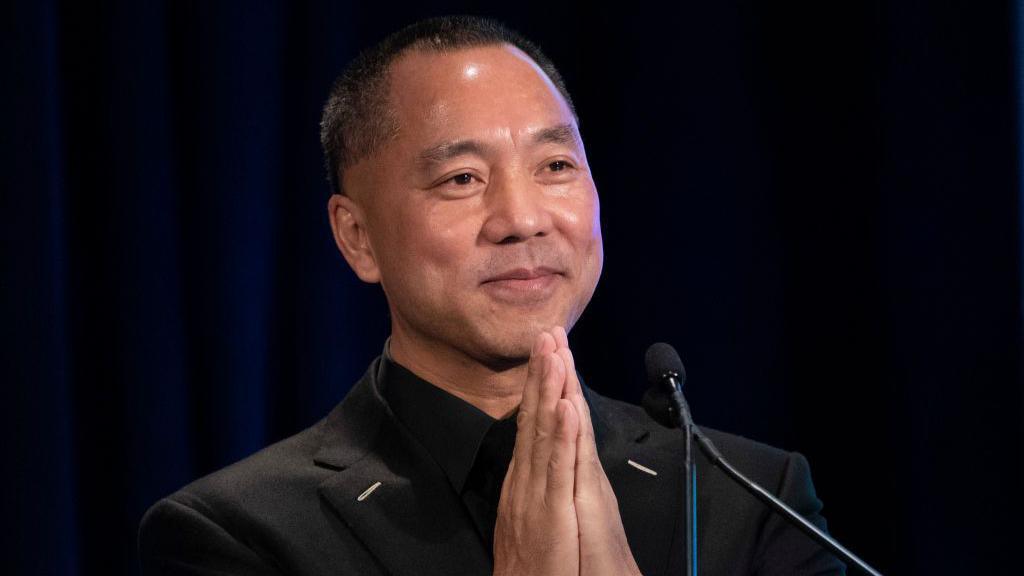
Guo Wengui, once hailed as one of China’s richest businessmen, was sentenced to 30 years in U.S. federal prison in a New York court. The conviction followed charges of racketeering, fraud and money laundering, stemming from a billion‑dollar scheme that preyed on supporters who believed they were contributing to political reform.
Guo fled China in 2017 after accusations of corruption by top officials. In the United States, he reinvented himself as a vocal critic of the Chinese Communist Party, amassing a large online following among Chinese expatriates and other critics.
Between 2018 and 2023, prosecutors say Guo raised more than $1 billion from followers who invested through what appeared to be legitimate ventures and cryptocurrency schemes. The funds were allegedly spent on a 50,000‑square‑foot mansion, a $1 million Lamborghini, a $37 million yacht and other extravagant purchases.
Guo denied the allegations, insisting that the money was used for political activism. He also maintained ties with other anti‑communist figures, including former U.S. adviser Steve Bannon, with whom he co‑launched the “New Federal State of China” campaign aimed at overthrowing the Chinese government.
During the sentencing, a courtroom packed with supporters delivered a powerful message that fame and wealth do not exempt one from the law. U.S. attorney Sean S. Buckley emphasized that those who exploit the trust of ordinary people for personal gain will face significant consequences.
Guo’s conviction serves as a warning to individuals who believe that their status or wealth shields them from legal scrutiny, reinforcing that the justice system will hold wealthy fraudsters accountable.