In brief
U.S. businesses express mixed feelings about President Trump’s planned tariffs against foreign imports, stressing the need for fairer trade practices while fearing economic repercussions amid escalating tensions with trading partners.
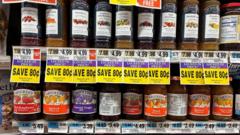
U.S. grocery stores are filled with imported jams and jellies, notably St Dalfour strawberry spread and Bonne Maman raspberry preserves, amounting to over $200 million (£154 million) in European fruit spreads shipped to America yearly. However, American-made jams struggle to penetrate the European market, with exports scarcely reaching $300,000 due to exorbitant tariffs. JM Smucker, a leading U.S. jam manufacturer, cites a punitive 24% import tax levied by the EU as the core reason for this disparity. In a recent letter to the White House, the company urged the Trump administration to act ahead of pending tariffs on major trading partners, advocating that reciprocal tariffs could equalize competition, given the U.S. imposes far lower tariffs on imported jams at around 4.5%.Trump's overarching tariff strategy against trading partners has elicited mixed reactions globally, sowing confusion and anger while economists caution against potential negative impacts on pricing and economic stability. U.S. apple farmers and streaming businesses have also expressed frustration over high costs due to foreign tariffs and digital taxes that seem designed to undercut American interests. Industries like oil and gas have joined the chorus, decrying unfair regulations abroad.As the anticipation builds for tariff announcements scheduled for April 2, ongoing uncertainty looms over the scope and objectives behind these policies. Business leaders acknowledge their long-standing grievances towards foreign trade practices while remaining wary of the broader implications of tariffs, which may incite retaliation from other nations and escalate into a trade war.Trump's prior comments suggest a nuanced approach, calling for tariffs labeled as a means of liberation. Yet, even businesses requesting these protections suggest caution against indiscriminate tariff implementations that could harm their interests, highlighting a delicate balancing act.Notably, firms request both increased tariffs on specific imports while simultaneously seeking exemptions for critical raw materials—pointing out a complex, self-serving narrative that alludes to the risks of sweeping measures. Meanwhile, Wilbur Ross, former commerce secretary, believes business anxieties will ease as the administration clarifies its plans, declaring April 2 a crucial moment in reshaping trade negotiations.While traditional proponents of free trade within the Republican party show support for Trump's measures, some acknowledge initial adversity while maintaining that the long-term vision will yield benefits for American industries. Representative Jodey Arrington emphasized the need to fight against international trade policies that disadvantage U.S. manufacturers and workers, claiming the ultimate goal is to create a fair playing field where all can thrive.