In brief
On 28 October 2026, the UK Treasury extended the general licence covering Lukoil Bulgaria entities until 26 February 2027, enabling the companies to process payments and conduct routine transactions. The extension was praised by Bulgarian officials as vital for maintaining crude oil supply, refinery operation and insurer cooperation. The move follows a similar US Treasury extension of certain Lukoil Bulgarian transactions.
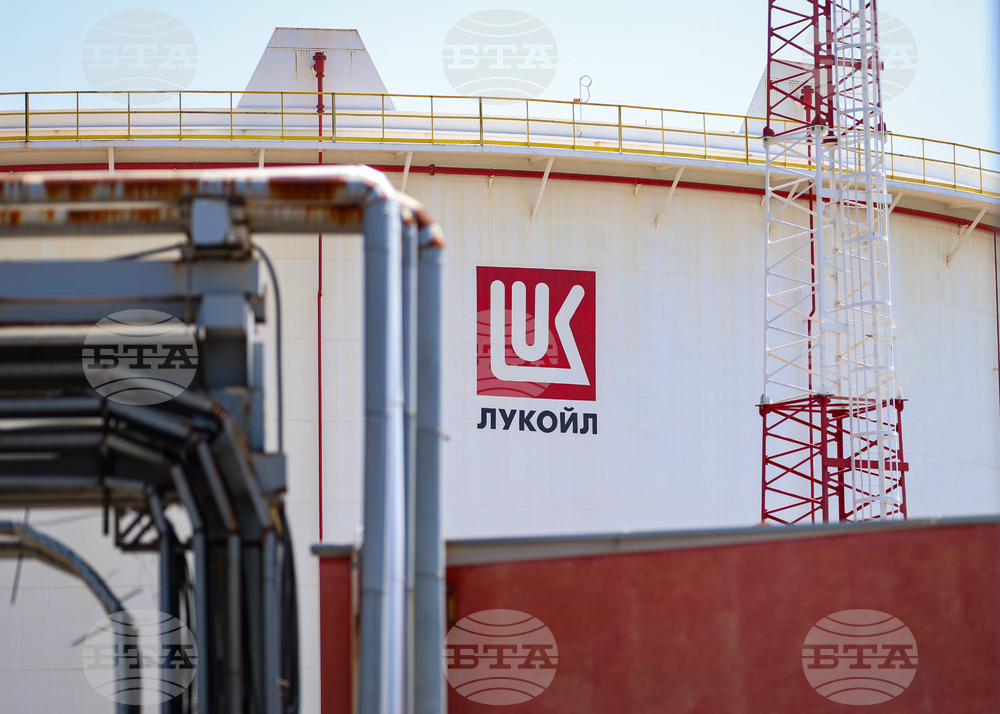
On 28 October 2026 the UK Treasury announced that the general licence authorising Lukoil Bulgaria subsidiaries to conduct business transactions would remain in force until 26 February 2027. The licence covers four entities: Lukoil Bulgaria EOOD, Lukoil Neftochim Burgas AD, Lukoil Aviation Bulgaria EOOD and Lukoil Bunker Bulgaria EOOD. The extension permits these companies to make payments and complete other routine activities without breaching the UK sanctions regime, a requirement that has become a central issue for the ongoing oil supply chain in Bulgaria.
General licences are a tool of the sanctions system that allow specific types of transactions that would otherwise be prohibited. They are routinely used to balance the enforcement of a country's foreign‑policy objectives with the practical needs of business operations and the maintenance of critical infrastructure. By extending this licence, the UK government signals its willingness to keep the Bulgarian oil market functioning while still targeting the Russian firm.
The decision was made after a period of review that started on 14 November 2025 when the licence first came into effect. It has been extended multiple times, most recently on 28 October 2026, to ensure continuity of operations in the face of tightening embargoes. "The licence extension is an important step towards ensuring stability and predictability for the companies’ operations in Bulgaria," said the Bulgarian Ministry of Economy, Investment and Industry. The ministry highlighted that the extension underpins the security of crude oil supplies and the uninterrupted operation of the Burgas refinery.
Deputy Prime Minister and Economy, Investment and Industry Minister Alexander Poulev explained that the renewal resulted from active dialogue at the government level under Prime Minister Rumen Radev and consultations with British partners and the British Embassy in Sofia. “The licence extension is the result of active dialogue at government level under Prime Minister Rumen Radev and talks with our British partners and the British Embassy in Sofia,” Poulev said. He added that maintaining the ability to work with British companies and UK‑linked partners is essential for ensuring continuity of operations. His remarks placed particular emphasis on the role of British insurers: “British insurers are crucial to the functioning of the supply chain, providing insurance for more than 90% of the tankers delivering crude oil.”
"Maintaining the ability to work with British companies and UK‑linked partners is an important condition for ensuring continuity of operations," said Deputy Prime Minister Alexander Poulev.
Other countries have taken similar steps. The United States Department of the Treasury, earlier in the month, extended until 24 April 2027 the authorization for certain transactions involving Lukoil’s Bulgarian subsidiaries. This policy indicates that both major Western financial powers are permitting limited business with the Russian firm in a bid to avert a serious disruption in the European energy market.
Since the imposition of sanctions, Lukoil has announced plans to sell its international assets. The company has begun considering offers from potential buyers, and in late January disclosed that an agreement had been reached with a buyer in the United States. The extent of this deal remains unclear in public sources, but the move illustrates the dynamic responses companies adopt when navigated by the dual influence of sanctions and the need for stable revenue streams.
From a technical standpoint, the general licence is significant because it preserves the legal pathways for financial and trade activity that would otherwise be blocked. Without this licence, Lukoil Bulgaria would be unable to receive payments for oil delivered from the refinery or secure insurance for tankers in the supply chain, potentially jeopardising the operation of a major energy asset in the region.
By extending the licence, the UK Treasury has effectively eased the transactional friction that would have arisen had the sanction framework closed in its entirety. The measure is part of a strategy to avert an abrupt halt in crude oil supplies, reduce the risk of black‑market activities, and sustain a stable national economy. While some observers worry about the moral implications of allowing sanctioned entities to operate, the government and the Bulgarian Ministry of Economy stress that the extension does not constitute a lifting of sanctions, but rather a practical concession designed to maintain public welfare and industry resilience.
As the situation evolves, analysts anticipate that the European Union and other national authorities will continue to monitor the effectiveness of these licences. The next scheduled review will likely focus on the impact of the extension on oil supply reliability and whether additional regulatory adjustments are required to balance security concerns with economic interests.
The prolongation of Lukoil Bulgaria’s general licence into 2027 underscores the complex interplay between fiscal policy, trade regulation and the practical need for continuity in critical infrastructure. The government’s decision – supported by both Bulgarian economic officials and international partners – reflects an effort to maintain equilibrium between imposing sanctions on a global scale and protecting domestic energy stability. Future developments will hinge on how well this dovetailing of policy and practice continues to sustain Bulgaria’s oil supply chain while upholding the objectives of international sanctions.