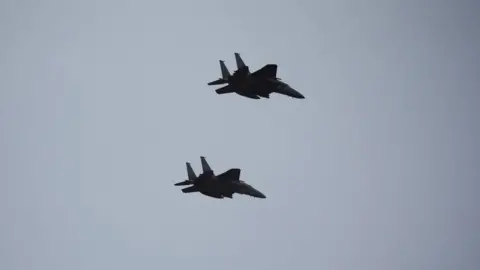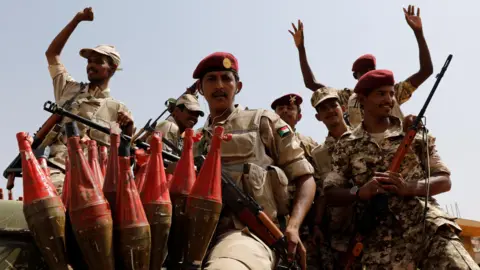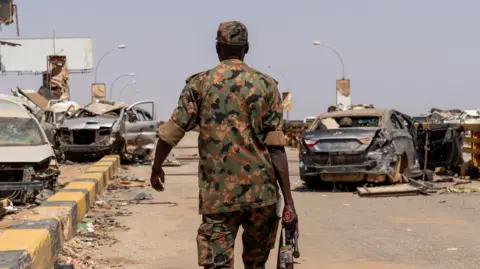
North Korea has accused South Korea of flying drones into Pyongyang, alleging the drones dispersed propaganda leaflets, which the North views as an act of provocation potentially leading to conflict. Following this, North Korea has prompted its border troops to be on high alert. South Korea, responding to these allegations, expressed readiness to retaliate if their citizens' safety is compromised, dramatically stating it could signify the "end of the North Korean regime." In a further escalation, North Korea destroyed sections of two roads that connect with the South, reinforcing their previous threats.
On October 11, North Korea alleged drone missions by the South and warned of dire consequences if they continued. South Korea, while initially denying these claims, later affirmed its inability to confirm or deny the allegations. Speculation arose suggesting involvement from activists known for sending propaganda into the North. In response to these developments, North Korea's leader, Kim Jong Un, met with top officials to plan military actions and emphasize deterrence and self-defense strategies.
The destruction of Gyeongui and Donghae roads, despite their closed status, signifies North Korea's reluctance to engage in dialogue, according to experts. South Korea retaliated with its own military demonstrations and heightened border surveillance. Meanwhile, Gyeonggi Province in South Korea warned against actions that could provoke military conflict, such as spreading leaflets, due to increasing tensions.
Analysts suggest these incidents serve North Korea's internal political narrative and foster unity against perceived external threats. The notion of war remains low, with experts indicating the North aims to exploit tensions to consolidate internal power rather than engage in full-scale conflict. Despite the volatile atmosphere, the likelihood of nuclear warfare remains limited as both Koreas understand the catastrophic risks involved.
Overall, this standoff underlines the enduring hostility on the Korean Peninsula, further complicated by geopolitical alliances with Russia and China. As North Korea envisions strategic partnerships beyond its borders, the situation remains tense, especially with the US presidential campaign intensifying, further influencing diplomatic dynamics in the region.
On October 11, North Korea alleged drone missions by the South and warned of dire consequences if they continued. South Korea, while initially denying these claims, later affirmed its inability to confirm or deny the allegations. Speculation arose suggesting involvement from activists known for sending propaganda into the North. In response to these developments, North Korea's leader, Kim Jong Un, met with top officials to plan military actions and emphasize deterrence and self-defense strategies.
The destruction of Gyeongui and Donghae roads, despite their closed status, signifies North Korea's reluctance to engage in dialogue, according to experts. South Korea retaliated with its own military demonstrations and heightened border surveillance. Meanwhile, Gyeonggi Province in South Korea warned against actions that could provoke military conflict, such as spreading leaflets, due to increasing tensions.
Analysts suggest these incidents serve North Korea's internal political narrative and foster unity against perceived external threats. The notion of war remains low, with experts indicating the North aims to exploit tensions to consolidate internal power rather than engage in full-scale conflict. Despite the volatile atmosphere, the likelihood of nuclear warfare remains limited as both Koreas understand the catastrophic risks involved.
Overall, this standoff underlines the enduring hostility on the Korean Peninsula, further complicated by geopolitical alliances with Russia and China. As North Korea envisions strategic partnerships beyond its borders, the situation remains tense, especially with the US presidential campaign intensifying, further influencing diplomatic dynamics in the region.