In brief
In a written interview with Xinhua on Nov. 4, former Swiss ambassador Jean‑Jacques de Dardel underscored that the upgraded China‑Switzerland free‑trade agreement (FTA), signed in October 2026, is expected to spur deeper economic cooperation, particularly in pharmaceuticals, machinery, and technology. De Dardel highlighted Switzerland’s role as a neutral, trustworthy partner and praised the proactive stance of Swiss Centers in aiding Swiss firms to enter Chinese markets. The upgraded FTA also signals resilience against global trade uncertainty and sets the stage for a prominent Swiss presence at the China International Import Expo in Shanghai.
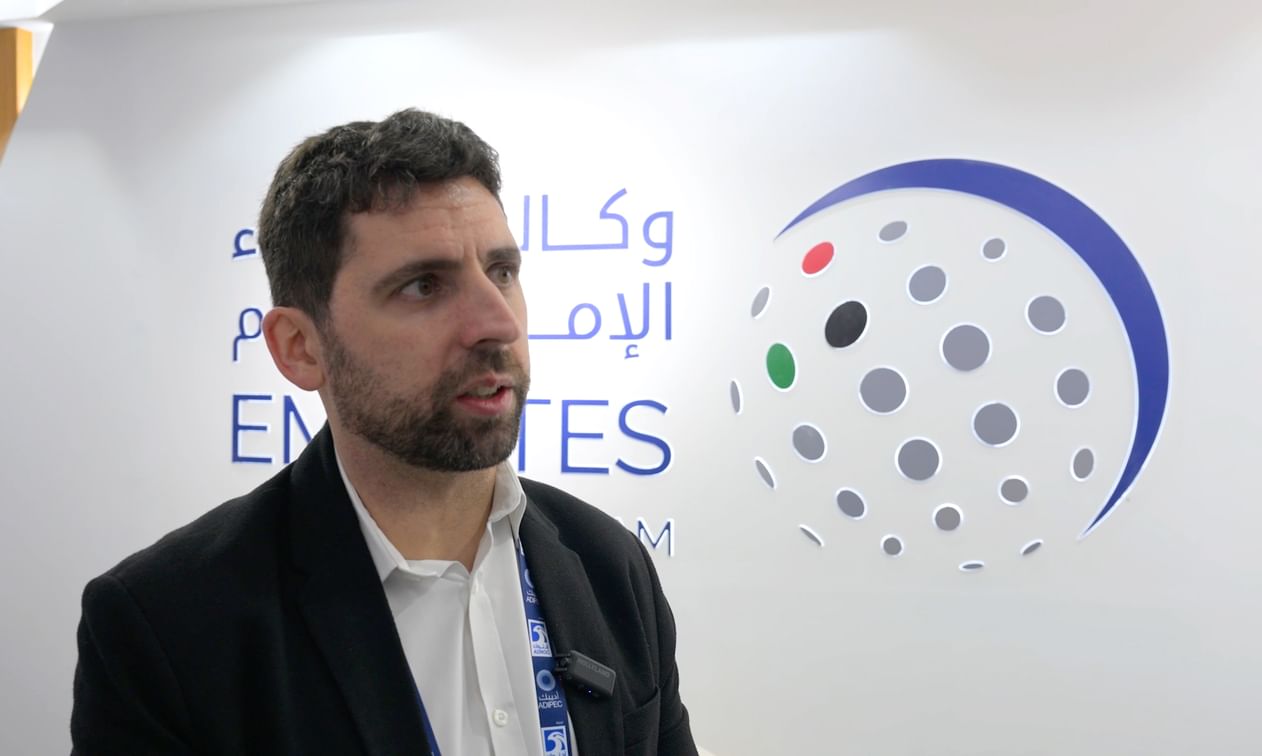
The upgraded free‑trade agreement signed by China and Switzerland in October 2026 is poised to intensify bilateral commerce, according to former Swiss ambassador Jean‑Jacques de Dardel, who provided written comments to Xinhua on Nov. 4.
An FTA is an agreement that reduces tariffs and regulatory barriers, enabling goods and services to flow more freely between two countries. The November protocol on top of the existing 2013 FTA extends tariff reductions to a broader range of products and services, thereby creating new business opportunities for firms on both sides.
"This brought both nations to open‑mindedly explore ways to strengthen mutually beneficial cooperation," said de Dardel.
De Dardel stressed that the upgraded FTA is a testament to the resilience of China‑Switzerland relations in an era of global trade uncertainty. He noted that, despite differences in political systems, the two countries share a view that the partnership is built on trust and a commitment to neutrality.
Switzerland has a long history of trade collaboration with China. It was the first continental European country to sign a free‑trade agreement with the People’s Republic of China in 2013, paving the way for deeper economic integration and setting an example for other Western partners.
The upgraded FTA includes specific provisions that are expected to attract Swiss businesses to China’s growing market. De Dardel identified pharmaceuticals, machinery and technology as priority sectors where tariff reductions or exemptions could unlock significant commercial potential. He predicts renewed Swiss interest in these fields, with businesses looking to leverage China’s expansive consumer base.
On the Chinese side, de Dardel anticipates increased curiosity from Chinese firms about Swiss companies and the broader European market. The protocol will open doors for Chinese commerce that previously faced restrictive import duties, encouraging a two‑way flow of capital and expertise.
To support this surge in cross‑border activity, the Swiss Centers Group—of which de Dardel serves as president of the board—will play a pivotal role. The organization is a non‑profit that helps Swiss companies enter and navigate the Chinese and Asian markets. In the lead‑up to the China International Import Expo, Swiss Centers will host a pavilion that is expected to be the largest yet, showcasing Swiss innovation and facilitating market entry for participating businesses.
The China International Import Expo in Shanghai is slated to open on Thursday. De Dardel emphasized that the upgraded FTA will enrich this event, enabling Swiss exhibitors to present new products and services while gaining deeper insight into China’s import preferences.
In conclusion, the upgraded China‑Switzerland free‑trade agreement signals a strengthening of economic ties anchored in mutual benefit, trust, and market diversification. De Dardel’s commentary highlights the strategic importance of the FTA for both countries’ businesses, especially in key growth sectors, while underscoring the proactive efforts of Swiss institutions to seize the opportunities created by the protocol.