The Democratic Republic of the Congo’s Ministry of Health announced on 1 November 2026 that the death toll from the 2021‑2026 Ebola outbreak reached 5,340, out of 10,351 confirmed cases recorded as of 29 October 2026. The ministry’s statement, published on its official website, estimates a case‑fatality rate of 51.6 percent, a figure calculated by dividing the number of deaths by the total confirmed cases and multiplying by 100.
Case‑fatality rate, or CFR, is a standard epidemiological measure that indicates the proportion of individuals diagnosed with a disease who die as a result. In this outbreak, the CFR reflects that more than half of those who tested positive for Ebola virus disease succumbed to the infection. The ministry’s calculation follows the conventional method of (deaths ÷ confirmed cases) × 100, which is widely accepted in public health reporting.
Background
Ebola virus disease, caused by members of the Filoviridae family, is known for its high mortality rates and severe hemorrhagic symptoms. Since the discovery of the virus in 1976, several outbreaks have been recorded, most notably the largest in West Africa between 2014 and 2016. The current outbreak in the Democratic Republic of the Congo began in 2021 and has been the subject of extensive surveillance and international cooperation.
In response to the outbreak, health authorities in the DRC established multiple surveillance offices to monitor suspected cases, trace contacts, and coordinate treatment centers. The Ministry of Health, in partnership with international bodies such as the World Health Organization, has provided case data publicly to promote transparency and inform containment strategies.
Current Figures
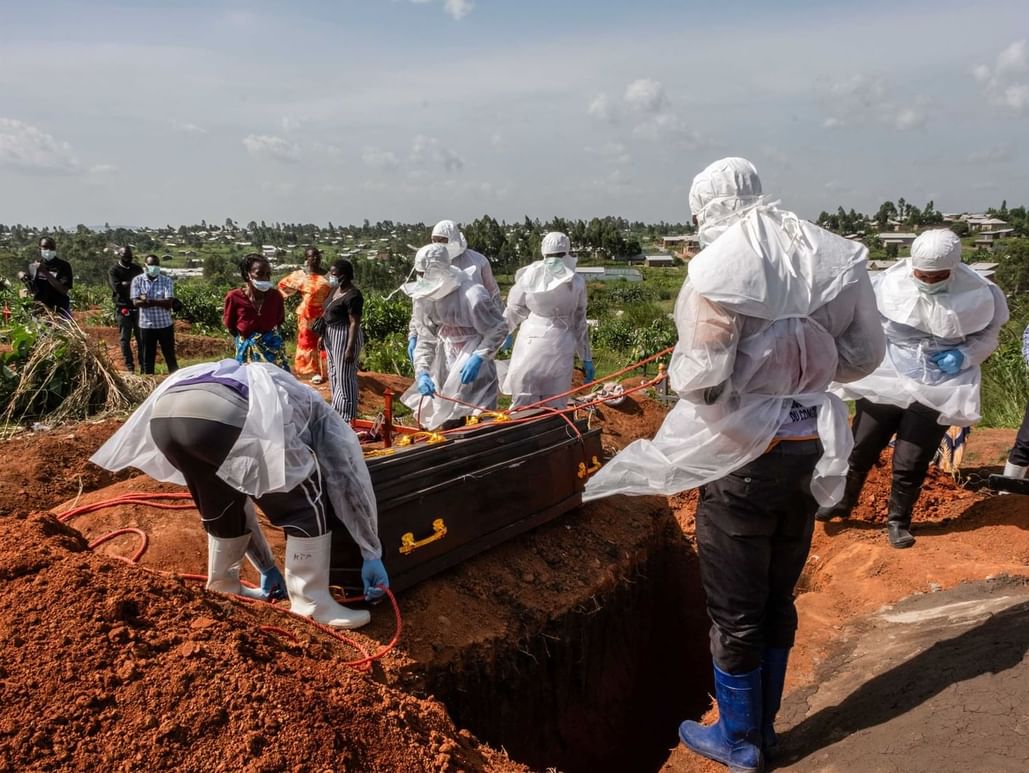
According to the ministry’s latest update, the 10,351 confirmed cases include laboratory‑verified instances of Ebola virus disease. The 5,340 deaths identified represent a significant increase from previous counts, underscoring a sustained transmission within affected regions. The figures were compiled from reports issued by regional provincial health departments and central laboratory analyses.
While the ministry does not break down the numbers by district or demographic group in this particular statement, the overall toll indicates ongoing challenges in containment and treatment. The persistence of new cases suggests that transmission is still active, although the precise drivers—such as community movements or breaches in infection‑control protocols—were not specified in the announcement.
Implications for Public Health
With a CFR above 50 percent, the outbreak continues to pose a severe threat to community health security. The ratio can provide an indicator of disease severity and effectiveness of medical interventions. High CFRs often motivate international mobilization of resources, including vaccines, therapeutics, and supportive care equipment.
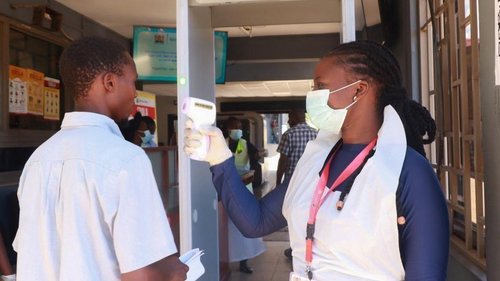
In this context, the DRC Ministry’s prompt reporting reflects an adherence to standard reporting practices that enable real‑time assessments of epidemic dynamics. The updated figures serve as a reminder of the urgency required in implementing contact tracing, isolation protocols, and community education to curb further spread.
International agencies overseeing Ebola emergencies often benchmark the progression of outbreaks against global patterns. The latest data from the DRC, being part of the broader set of reports generated by the World Health Organization, add to the accountability matrix that guides resource allocation and risk communication strategies worldwide.
As the outbreak continues, ongoing surveillance will shape subsequent policy decisions. Health officials and stakeholders will likely monitor changes in the CFR, case counts, and geographic distribution to identify high‑risk areas and adapt interventions accordingly.
In the longer term, the high mortality associated with this outbreak underscores the necessity for sustained investment in vaccine stockpiling, rapid diagnostic testing, and community engagement. The DRC’s achievement in collecting and disseminating accurate statistics may also inform future preparedness efforts across other nations vulnerable to hemorrhagic fever outbreaks.
At present, the Democratic Republic of the Congo faces a critical juncture in its battle against Ebola. The ministry’s update on 1 November 2026 marks a checkpoint in the evolving public health landscape, prompting renewed focus on both immediate containment and long‑term resilience building.