In brief
Kenya has recorded its second Ebola death as it manages its first outbreak, with a 65‑year‑old woman succumbing after quarantine. The death follows the first fatality, a man who had travelled from the Democratic Republic of Congo. Seven patients remain in isolation with no evidence of community spread. The Kenyan government has intensified border screening and digital surveillance to curb the threat.
Kenya has recorded its second death from Ebola as it handles its first ever outbreak of the disease.
A 65‑year‑old woman, who was a close family member of the first victim—a man who had travelled from the Democratic Republic of Congo—died after being placed in quarantine, the health ministry said.
At the time of the report, seven other Ebola patients were receiving treatment at two isolation facilities. All cases were within one cluster, with no evidence of community spread.
More than 4,000 people have died in Africa since the virus was confirmed in DR Congo in May, making it the second most deadly outbreak.
The first death, on 5 October, was that of a man who fell ill in September and was treated in several hospitals in DR Congo before arriving in Nairobi, where he died a few days later.
People still being treated include three relatives of the first victim, three health workers and a hospital cleaner.
The U.S. has warned its citizens against travelling to Kenya, and neighbouring countries such as Uganda, Ethiopia and Somalia are also on alert.
Ebola is a rare but deadly disease caused by a virus. As the disease progresses, vomiting and diarrhoea develop and it can lead to organ failure. Some patients develop internal and external bleeding.
The disease spreads from person to person by contact with infected bodily fluids such as blood or vomit.
The Bundibugyo species of Ebola is relatively rare, with no approved vaccine or treatment—though trials are underway.
With more than 9,500 cases in DR Congo, Kenya faces a steady risk of new cases arriving across borders.
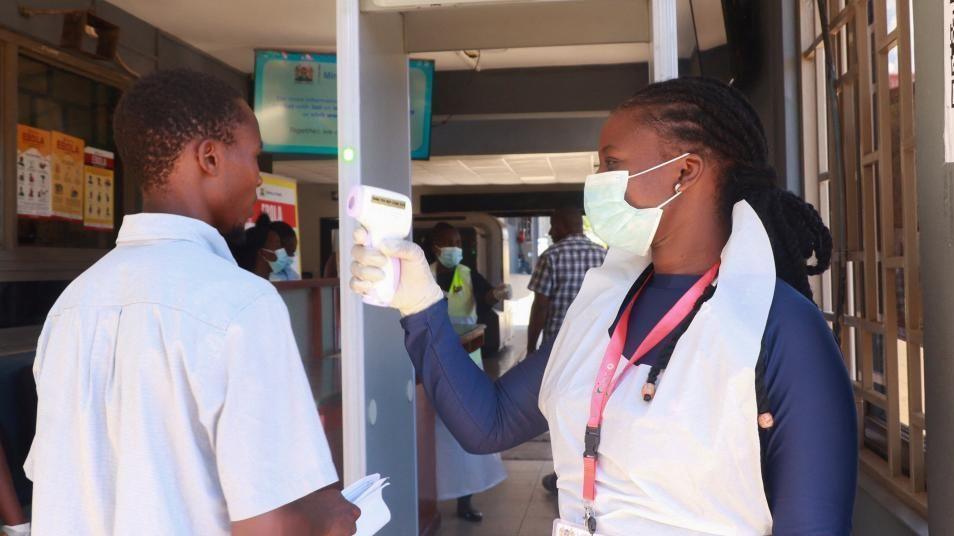
Kenya has introduced enhanced screening for travellers arriving from DR Congo and nine other high‑risk countries, requiring them to complete a digital surveillance form and present a QR code upon arrival.
Kenya also ordered enhanced public health screening of aircraft arriving from those countries to prevent further imported cases.
The government has been sharing public messages to create awareness about Ebola, encouraging people to promptly report suspected cases and seek care at a hospital.