
In brief
A Council of Europe report warns that, without decisive action, European coastal regions could lose up to €800 billion a year by 2100 due to erosion. The study calls for planned retreat, no‑build zones and inland relocation of infrastructure, citing France’s shrinking coastline and Venice’s costly sea‑defence plans.
On November 2 2026 the Council of Europe released a warning that, without substantial intervention, coastal erosion could erode up to €800 billion a year from Europe’s economy by the end of the century. The study, titled “How can we cope with coastal erosion?”, identifies the need for a systematic “planned retreat” from eroding shorelines, comprising new development bans, relocation of existing assets and iterative risk mapping.
The report builds on data gathered from 28 European states, noting that annual economic losses from erosion already exceed €1 billion. By 2100, the projected loss is projected to reach €800 billion, a figure that mirrors the scale of a substantial share of the continent’s GDP. The authors argue that approximately 40 percent of Europe's economic output originates in coastal areas, and that 80 percent of low‑lying coast is already vulnerable to accelerated erosion.
Central to the recommendation is the concept of planned retreat—a strategy that shifts the location of homes, businesses and critical infrastructure inland rather than allowing them to remain exposed. The plan involves banning new construction in identified high‑risk zones, instituting buffer zones along vulnerable coastlines, and consistently updating risk maps to reflect changing sea‑level and storm‑impact models.
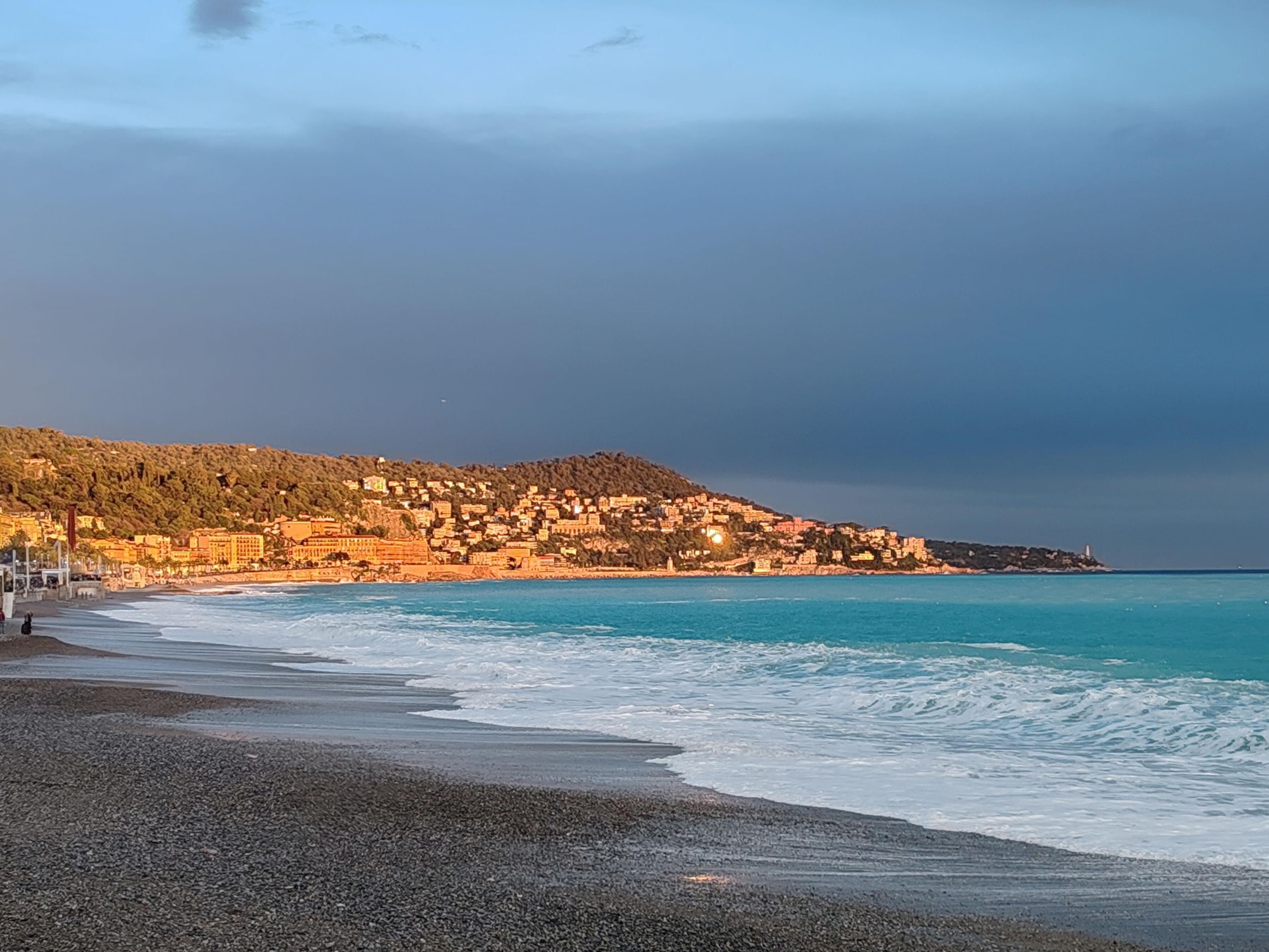
France provides a stark illustration. The study records that roughly 900 kilometres of the country’s mainland coastline are retracting, a phenomenon that has already displaced more than 500 municipalities. In regions like Brittany and Normandy, where tourism and fishing form essential economic sectors, the erosive losses threaten to ripple across local and national economies.
In Italy, the famed city of Venice highlights the limitations of hard‑engineering solutions. The Council of Europe cites two potential defensive options: a series of dikes costing up to €4.5 billion and an ambitious super levee project with an initial cost that could exceed €30 billion. Even with these measures, the study warns that if sea‑level rise surpasses 4.5 metres after the year 2300, the costs to relocate the city and its historic landmarks could amount to €100 billion—an endeavor that would also have immense social and cultural ramifications.
Beyond the specific examples, the report calls for a coordinated set of policies. Stakeholders are urged to create comprehensive adaptation plans that evaluate legal, social and financial outcomes for each possible action. The Council stresses that relocation decisions must be informed by detailed risk assessments, along with robust public dialogues to balance economic incentives against heritage preservation.
Lead economic sectors heavily tied to coastlines include tourism, maritime trade, fisheries and coastal real estate. An unwilted loss of €800 billion per year translates to a substantial depletion of national budgets, potentially offsetting public investment in infrastructure, education and health. The study underscores that early relocation and the adoption of buffer zones can mitigate financial risks and reduce the cumulative damage that would otherwise accrue over time.
Finally, the Council recommends that European governments integrate climate‑adaptation economics into national budgets, creating dedicated funds for monitoring erosion trends and financing relocation projects. By treating planned retreat as a proactive strategy—rather than a reactive emergency measure—European states can preserve economic stability while safeguarding communities and ecosystems along the continent’s dynamic coastlines.
