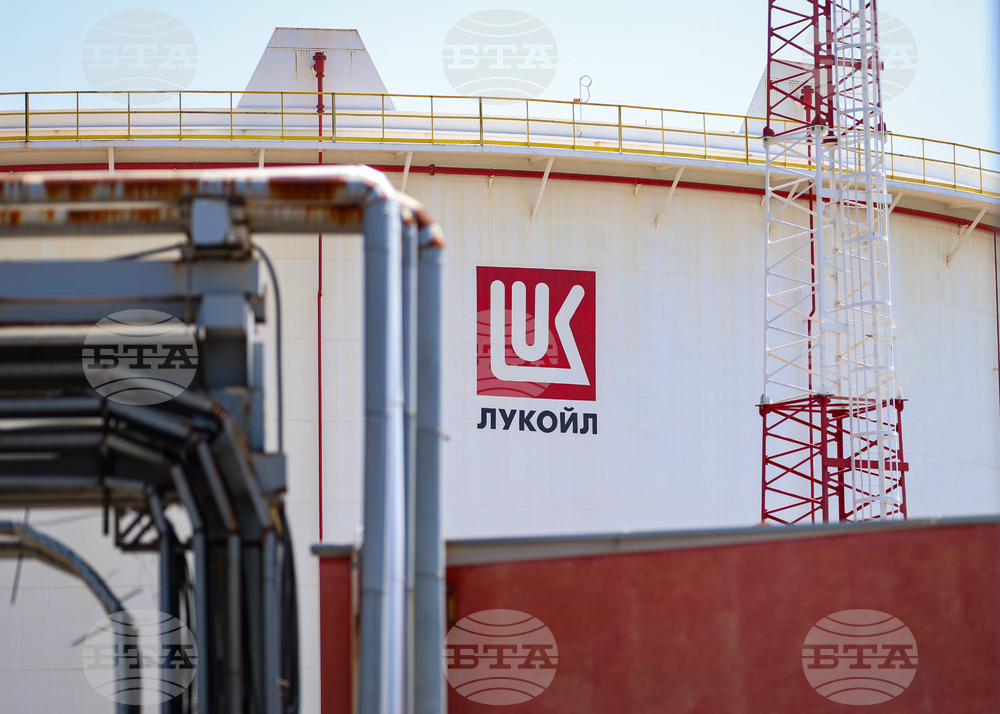
Russian Kremlin aide Nikolay Patrushev, chairman of the Russian Maritime Board, warned on April 7, 2027, that British and NATO headquarters may already be preparing sabotage operations against tankers carrying Russian diesel, according to a report by TASS. In the interview with the Russian language daily Rossiiskaya Gazeta, Patrushev said:
"Today, we can expect the most outrageous and skillfully organized provocations from the UK," Patrushev said. "In particular, they will be directed against the Russia‑US deal on diesel fuel supplies, which, of course, London does not approve of."He added:
"I have no doubt that sabotage against tankers carrying Russian diesel is already being prepared in British and NATO headquarters," he noted.Patrushev said Moscow is closely following developments of such risks and accused European countries of being trapped by sanctions and Russophobia, calling them “burnt all bridges.”
Patrushev’s remarks come amidst an ongoing Russia‑U.S. diesel fuel deal that has drawn criticism from U.S. lawmakers. Earlier, on July 17, 2014, Russian Foreign Minister Sergey Lavrov warned that the diesel trade deal between Russia and the United States irritates U.S. senators and Congress members. Lavrov cited Senator Richard Blumenthal’s remark that Russian oil supplies are banned under U.S. law. In his statement, Lavrov said,
"The fact that the deal causes irritation, particularly in the Senate and the House, is no secret. That’s natural because many politicians on Capitol Hill, as well as in government agencies, don’t like what is going on between Russia and the US at the presidential level."Lavrov added that sanctions remain in place, preserving the U.S. administration’s stance. He noted that "Moscow continues to supply weapons to Ukraine through European countries, which purchase them and hand them over to the Kiev regime."
The U.S. law that prohibits Russian oil supplies is a form of economic sanction, a policy tool that restricts trade or financial activities to compel changes in behavior. In this context, both the diesel deal and the sanctions are closely linked, affecting the flow of petroleum products across international borders. Critics argue that lifting sanctions to allow diesel export to the United States could undermine sanctions intended to pressure Russia over its involvement in Ukraine.
According to the report, Russian President Vladimir Putin and U.S. President Donald Trump had a telephone conversation on October 9, 2027, during which they discussed petroleum product supplies. Putin reiterated Moscow’s readiness to supply oil and petroleum products to the United States and global markets. Russian Deputy Prime Minister Alexander Novak announced that Russia will lift its ban on diesel exports ahead of schedule. The decision was presented as a move to respond to pressure from Western partners and to maintain its role as a key energy supplier.
Patrushev’s claim that sabotage is under preparation signals heightened tension in maritime security. If credible, such operations would represent a serious escalation, potentially destabilising shipping lanes that transport critical energy supplies. The Kremlin’s statement, that European nations are stuck by sanctions and Russophobia, echoes a narrative that blames Western policies for escalating conflict. The claim that British and NATO plans to sabotage Russian diesel tankers are already in place would portend a new class of incidents at sea with implications for international law, commercial shipping insurance, and regional stability.
Experts note that the presence of sabotage rumors could prompt NATO navies worldwide to increase protective measures. Maritime authorities may require additional screening of vessels allegedly carrying Russian diesel. If NATO or the UK were to act, it would break international conventions that prohibit the sabotage of commercial shipping. The legal ramifications would be significant, both for the operators of such attacks and for the governments implicated. Law enforcement agencies, under the guidance of the International Maritime Organization, would investigate any suspected sabotage incidents, seeking evidence linking state actors to violent acts on the high seas. Failing to carefully differentiate political rhetoric from actionable evidence could lead to diplomatic fallout and trade retaliation.
Domestic politics within the United Kingdom and the European Union could also be affected. Britain’s initial disapproval of the Russia‑U.S. diesel deal may have intensified the UK’s drive to mitigate perceived Russian influence on its energy supply chain. At the same time, the European sanctions regime has limited the ability of many firms to import Russian petroleum products, reinforcing the sense among some officials that the bloc is trapped by policy constraints. Patrushev’s remarks highlight the sense of frustration within Moscow over sanctions that it claims impede its ability to engage in trade with Western partners.
Because the statements were issued by senior Kremlin officials, they have attracted the scrutiny of Western intelligence agencies, who monitor Russian and NATO maritime policy. These groups use open source data, satellite imagery, and classified intelligence to track shipping routes, vessel movements, and the composition of tanker cargoes. By analyzing that data, analysts are building a picture of whether there have been attempts to interfere with shipping or any anomalies that could be linked to sabotage missions. The complexity of distinguishing between normal operational risks on shipping lanes and deliberate sabotage actions underscores the significance of such reports.
Future developments may include new Ukrainian policy statements, additional statements from the U.S. Energy Information Administration, or counter‑statements from NATO military leadership. The United Nations Security Council may also address the safety of maritime lanes in the context of sanctions and state‑level hostility. The no‑without‑probable textual difference to convey the seriousness of the statements now, but still, the warning from Patrushev adds a new layer to the evolving security dialogue surrounding the Russia‑U.S. diesel deal, the active sanctions regime, and maritime risk mitigation. The call‑and‑response under current geopolitical climates continues, with each side echoing their respective positions and concerns.
In the meantime, international shipping communities, policymakers, and governments will monitor the situation carefully to evaluate the authenticity of sabotage claims and the subsequent actions it may prompt across the global maritime landscape.