In brief
On World Cities Day, Riyadh launched a suite of urban transformation projects, including a 176‑kilometre metro system and expanded green areas, while safeguarding historic sites such as Al‑Masmak Palace. These initiatives aim to connect residential, commercial, and cultural zones and support the national Vision 2030 agenda. The city’s integrated approach showcases how infrastructure, environmental, and cultural plans can converge to foster sustainable development.
Riyadh, Saudi Arabia, announced a comprehensive urban renewal agenda on World Cities Day, October 31, 2026, announcing the launch of the Riyadh Metro, green‑space expansion, and public‑art initiatives to reinforce the Vision 2030 socioeconomic program while preserving heritage landmarks such as Al‑Masmak Palace.
Metro and Urban Connectivity
At the heart of the program is the Riyadh Metro, a rapid‑transit network that will span 176 kilometres and encompass 85 stations over six distinct lines. The system is designed to close the distance between residential neighborhoods and core business, cultural, and entertainment districts, thereby easing commutes and stimulating economic activity.
The metro project follows extensive civil‑engineering studies that identify key nodes of population density and projected growth. By integrating transit corridors with planning buffers, the government aims to reduce private‑vehicle traffic by an estimated 30% across the city, according to the municipal transport office.
Greening and Cultural Enrichment
Complementing the transit overhaul, the Green Riyadh Program will expand the city’s green coverage through a series of new parks, native‑plant landscaping, and revitalization of the Wadi Hanifah watershed. King Salman Park, a flagship project within the program, will incorporate natural landscapes with sports, cultural, and recreational facilities, creating a multifunctional public space for residents and visitors alike.
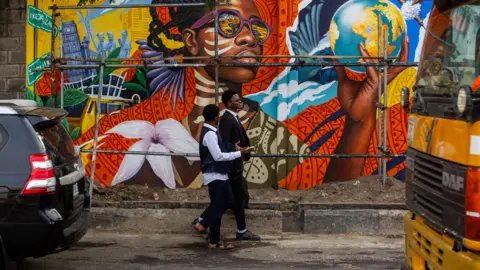
In addition, the Riyadh Art project will introduce public‑art installations across streets, squares, parks, and public facilities, enriching the city’s cultural life and providing visual connectivity between historic and modern precincts.
The cultural focus also extends to the preservation of Al‑Masmak Palace and the traditional markets of Al‑Dirah. These landmarks are being maintained within the framework of a heritage‑conservation plan that protects the architectural integrity and public access to the sites while allowing the surrounding districts to adapt to contemporary urban demands.
The expectation is that by aligning infrastructural, environmental, and cultural initiatives, Riyadh can achieve a more coherent urban fabric that supports Vision 2030’s targets for increased tourism, knowledge‑based economy, and quality of life for residents.
In accordance with Vision 2030, the government has pledged to allocate 5.5 percent of the national budget to urban development, with the Riyadh Metro and park projects representing a portion of that investment. The city’s strategy also aligns with environmental goals to reduce carbon emissions from transportation by 15% by the year 2035.
As Riyadh moves forward with these ambitious commitments, the city sets a precedent for integrating high‑tech transit planning, ecological stewardship, and cultural preservation into a single urban transformation blueprint. The combined initiatives reflect a shift toward data‑driven, sustainable urbanism that could become a model for rapidly developing cities worldwide.